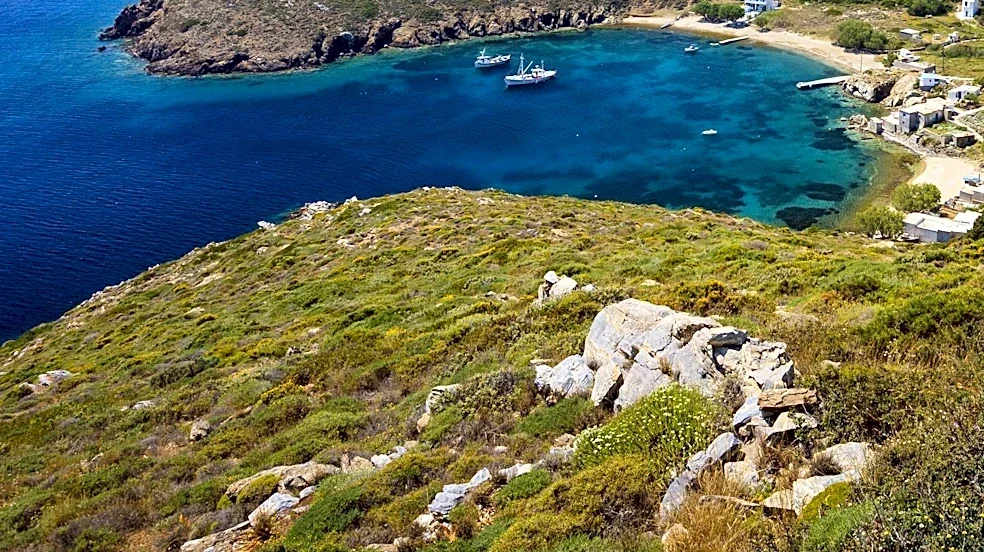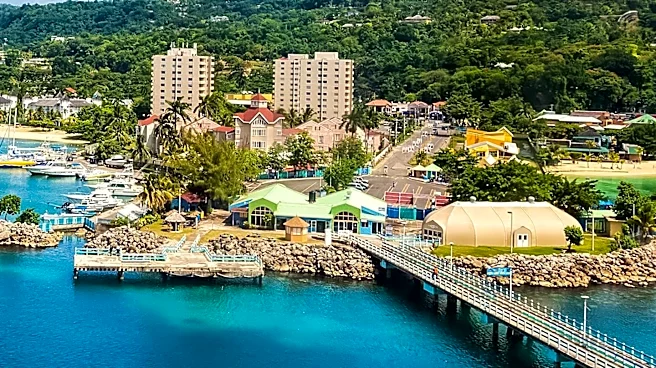







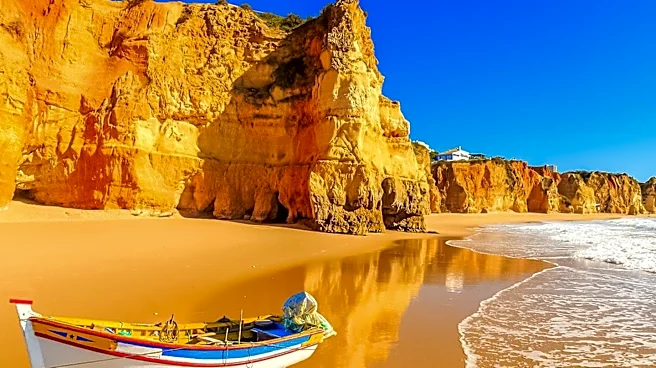

Samaná is a province located in the eastern region of the Dominican Republic, specifically on the Samaná Peninsula. This area is widely recognized for its striking natural beauty, characterized by a mountainous landscape and an abundance of beaches. The capital city, Santa Bárbara de Samaná, often simply referred to as Samaná, serves as the administrative center for the province. Historically, the province was more expansive, encompassing the territory
that is now known as the María Trinidad Sánchez province, before undergoing a division during the Trujillo era. Today, Samaná is structured into three municipalities and three municipal districts, and it is also home to the Samaná Americans, a distinct cultural subgroup of African American descendants.
The Mountainous Terrain and Tropical Climate
Geographically, the Samaná province is almost entirely dominated by the Sierra de Samaná mountain range. This range extends to many of the coastal areas, shaping the dramatic landscape of the peninsula. The highest peak within this range, and indeed the entire province, is known as La Meseta, situated in the eastern part of Samaná. This mountainous topography contributes significantly to the region's unique character and its numerous scenic vistas.
The province experiences a tropical rainforest climate, which is reflected in its consistent warmth and high precipitation levels. The annual average temperature in Samaná is approximately 25.9 degrees Celsius (78.6 degrees Fahrenheit). Rainfall is particularly abundant in the Sierra de Samaná, where annual precipitation often exceeds 2,000 millimeters (78.7 inches). Despite the presence of many rivers and streams throughout the province, most are relatively short. Notably, the final section of the Yuna River flows into the western end of Samaná Bay, contributing to the region's hydrological network.
Economic Evolution: From Agriculture to Tourism
Historically, the economy of Samaná province has been largely dependent on fishing and agriculture. For a long time, it held the distinction of being the country's primary producer of coconuts. While coconut production remains a significant agricultural activity, the demand for this product has seen a decline over time. There is also a limited amount of small-scale mining for marble in the more rugged parts of the province, indicating a diversification of resource extraction.
In recent years, however, tourism has emerged as the leading economic driver for Samaná. The province's pristine white sand beaches and clear waters have made it a highly attractive destination, establishing it as one of the main tourist hubs in the Dominican Republic. A particularly significant and increasingly popular income-generating activity is humpback whale watching. Thousands of these magnificent creatures migrate to the waters off Samaná's coast between January and March, making the province a prime location for observing them during their breeding season. This natural spectacle draws numerous visitors, further solidifying tourism's role in the local economy. The shift towards tourism highlights the province's ability to leverage its natural beauty for economic growth, moving beyond its traditional agricultural and fishing roots.