





The Wright brothers, Orville and Wilbur, left an indelible mark on history with their invention of the airplane. Their pioneering spirit and groundbreaking achievements have been recognized and celebrated in numerous ways, ensuring their legacy continues to inspire future generations. From national memorials to their presence on postage stamps and even on Mars, the commemorations of the Wright brothers highlight the profound impact they had on aviation
and beyond. This article explores the various forms of recognition and the enduring influence of their work.
National Memorials and Significant Locations
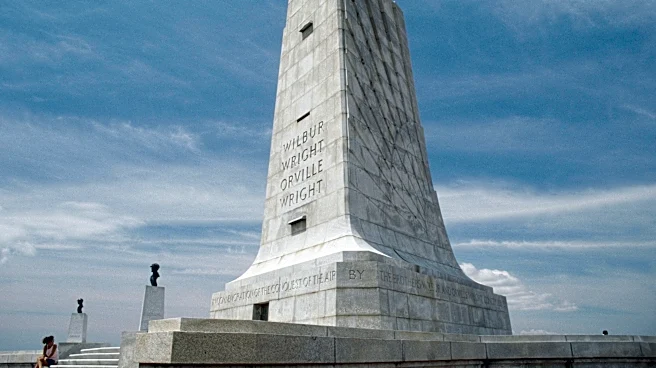
One of the most prominent tributes to the Wright brothers is the Wright Brothers National Memorial in Kill Devil Hills, North Carolina. This site marks the location where the Wrights conducted their first successful powered flights, a pivotal moment in human history. The memorial stands as a testament to their perseverance and ingenuity, drawing visitors who wish to connect with the birthplace of flight. The Dayton–Wright Brothers Airport in Dayton, Ohio, also serves as a reminder of their origins and the city where much of their foundational work took place.
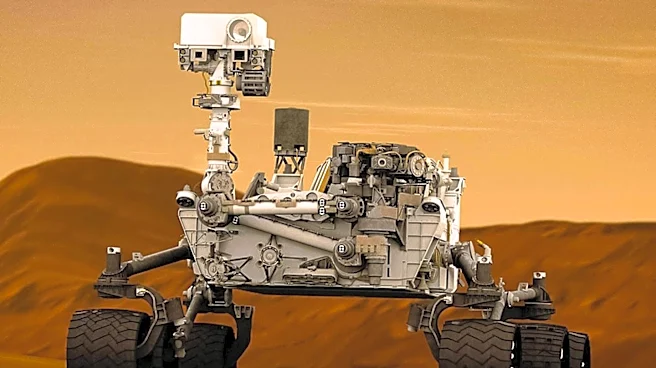
Beyond Earth, the Wright brothers' legacy has reached even further. Wright Brothers Field, located in Jezero Crater on Mars, is the place where the Ingenuity Mars drone helicopter made its first flight. This extraterrestrial naming signifies the universal and enduring nature of their contribution to aviation and exploration, linking their pioneering spirit on Earth to humanity's ventures into space. These locations, both terrestrial and extraterrestrial, underscore the global and historical significance of their achievements.
Awards, Publications, and Public Recognition
The impact of the Wright brothers extends to various awards and publications that honor their contributions. The Wright Brothers Memorial Trophy is awarded for public service in aviation in the United States, recognizing individuals who continue to advance the field they pioneered. Similarly, the Wright Brothers Medal acknowledges significant contributions to aerospace, perpetuating their name within the scientific and engineering communities. These awards ensure that their spirit of innovation and dedication to flight remains a benchmark for excellence.
Their story has also been captured in literature and film. *The Wright Brothers*, a 2015 non-fiction book by popular historian David McCullough, offers a detailed account of their lives and work, bringing their story to a new generation of readers. A 1971 telefilm also bore the title *The Wright Brothers*, further cementing their place in popular culture. These works help to disseminate their story and ensure that their achievements are widely understood and appreciated. The Wright brothers and their airplane have also been commemorated on several U.S. postage stamps, including a 2c stamp in 1928 for the International Civil Aeronautics Conference and a 6c airmail stamp in 1949 depicting their first flight. These philatelic tributes serve as everyday reminders of their historic accomplishment.
The Wright Company and its Enduring Influence
While the Wright brothers are primarily known for their invention, they also established the Wright Company on November 22, 1909, to build airplanes and capitalize on their invention. Although Wilbur died in 1912 and Orville sold the company in 1915, the company's lineage continued. It merged with the Glenn L. Martin Company to form the Wright-Martin Company, which later became part of Curtiss-Wright. Today, Curtiss-Wright remains a manufacturer of airplane components, demonstrating a direct, continuous line from the Wright brothers' initial enterprise to modern aviation industry. This commercial legacy, alongside their inventive genius, highlights their multifaceted impact on the world. The Wright brothers' influence is not just historical; it is a living legacy that continues to shape the aerospace industry and inspire exploration.