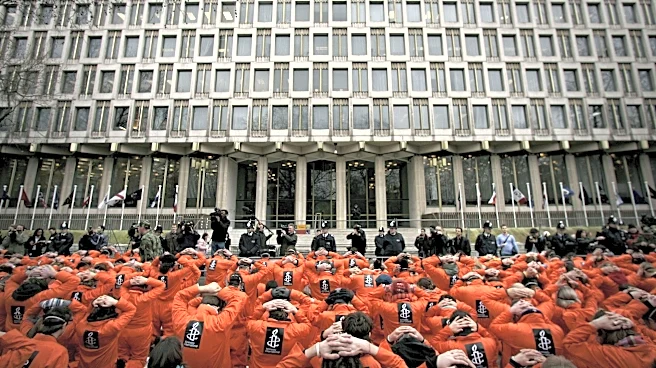







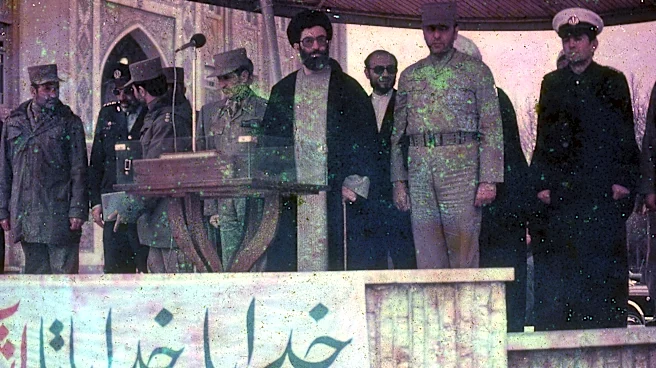
The Iran hostage crisis was a significant diplomatic standoff between Iran and the United States that lasted for 444 days, from November 4, 1979, to January 20, 1981. During this prolonged period, 52 American diplomats and citizens were held captive within the U.S. embassy in Tehran. This event marked a critical point in the relationship between the two nations, drawing international attention and posing considerable challenges for U.S. foreign policy.
The crisis began after a group of Iranian students, who supported the Iranian Revolution, took control of the U.S. Embassy.
The Seizure of the U.S. Embassy
The crisis commenced when Iranian students, aligned with the revolutionary movement, stormed and occupied the U.S. Embassy in Tehran. This act led to the immediate capture of American personnel, transforming the embassy into a site of international tension. The students' actions were a direct challenge to the United States, reflecting the deep-seated anti-American sentiment prevalent in Iran following the revolution. The takeover was not merely an act of protest but a calculated move that escalated into a prolonged diplomatic and humanitarian crisis.
President Jimmy Carter, who was in office at the time, publicly condemned the hostage-taking. He characterized the hostages as "victims of terrorism and anarchy," and firmly stated that "the United States will not yield to blackmail." This declaration underscored the U.S. government's stance against the demands of the hostage-takers and its commitment to securing the release of its citizens without capitulating to pressure. The situation placed immense strain on the Carter administration, which sought various avenues to resolve the crisis.
Failed Rescue Attempts and Diplomatic Efforts
Throughout the 444 days, the United States made efforts to secure the release of the hostages. One notable attempt involved a military rescue operation in April. This mission, however, ended in failure when three helicopters malfunctioned, leading to its abortion. Tragically, eight servicemen died during the attempted escape. The bodies of these servicemen were recovered by the Iranian government, displayed in Tehran, and eventually returned to the United States. The failure of this mission had significant repercussions, including the resignation of Cyrus Vance, who was the Secretary of State at the time.
Following the failed rescue, President Carter was compelled to publicly promise not to "impose additional sanctions" on Iran. In exchange, there was an understanding that custody of the hostages would be transferred to the Iranian government, who would then release them after a short period. Both the Iranian president and foreign minister at the time were reportedly opposed to the continued holding of the hostages. However, despite these diplomatic maneuvers and promises, the crisis persisted, highlighting the complex and often unpredictable nature of the situation.
The Release of the Hostages
The prolonged standoff finally concluded on January 20, 1981. The 52 American hostages were released on the very day that Ronald Reagan was inaugurated as the new President of the United States. This timing was highly symbolic, marking the end of a difficult chapter in U.S. foreign relations and the beginning of a new presidential term. The release brought an end to a crisis that had dominated headlines and significantly impacted American public sentiment and political discourse for over a year. The event remains a pivotal moment in the history of U.S.-Iran relations.