



The Bahrain Grand Prix holds a unique place in the history of Formula One as the first race of its kind to be held in the Middle East. Inaugurated on April 4, 2004, at the newly constructed Bahrain International Circuit in Sakhir, this event marked a significant expansion of Formula One's global reach. The race quickly gained recognition, earning the FIA's prize for "Best Organized Grand Prix" in its inaugural year, a testament to the meticulous planning
and execution involved in bringing top-tier motorsport to the region.
The Genesis of a Grand Prix
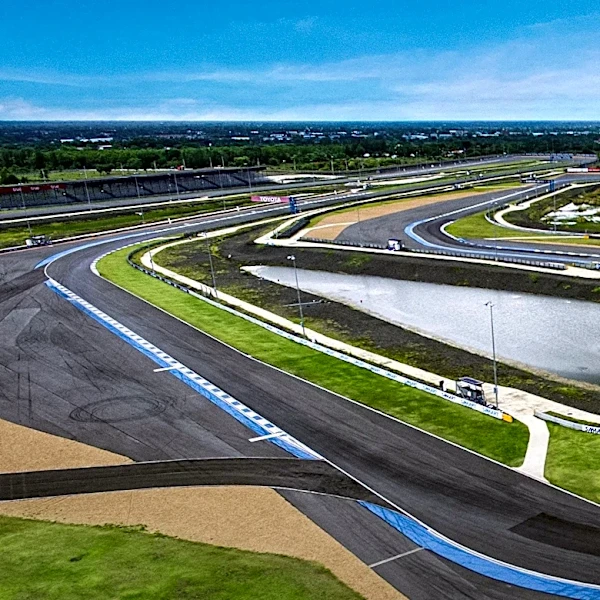
The decision to host a Formula One Grand Prix in Bahrain was part of a broader national objective, championed by Crown Prince Shaikh Salman bin Hamad Al Khalifa. Construction of the Bahrain International Circuit began in 2002, with Bahrain successfully securing the rights to host Formula One amidst competition from other regional contenders like Egypt, Lebanon, and the United Arab Emirates. The circuit, designed by Hermann Tilke, was a substantial investment, costing $150 million, and was completed under tight deadlines to be ready for the 2004 race.
Despite initial concerns about the circuit's completion, the event proceeded as planned, making history as the first Formula One race in the Middle East. This pioneering spirit set a precedent for other nations in the region to join the Formula One calendar. The circuit itself, a 5.412-kilometer track, has since become a familiar and respected venue for drivers and teams alike, known for its challenging layout and modern facilities.
Evolution of the Track and Notable Events
Over the years, the Bahrain International Circuit has seen minor modifications to its layout. After the 2004 race and before the 2005 event, turn four was realigned, slightly reducing the circuit's overall length by five meters. In 2010, the race utilized an extended "Endurance Circuit" layout, which increased the lap length to 6.299 kilometers. However, plans to revert to the original "Grand Prix Circuit" layout were confirmed for the later-canceled 2011 Bahrain Grand Prix, and this layout has been consistently used since the event's return in 2012.
The Grand Prix has also faced its share of challenges. The 2011 race was initially scheduled as the season opener but had to be canceled in March due to civil unrest in the country. Although the FIA announced a rescheduled date for October 30, concerns from teams and officials led to its official cancellation two days later, with organizers prioritizing the 2012 running. More recently, during pre-season testing for the 2024 Formula 1 season, a session was halted and canceled when a drain cover was dislodged, highlighting the ongoing need for vigilance in track maintenance.
Unique Characteristics and Recent Races
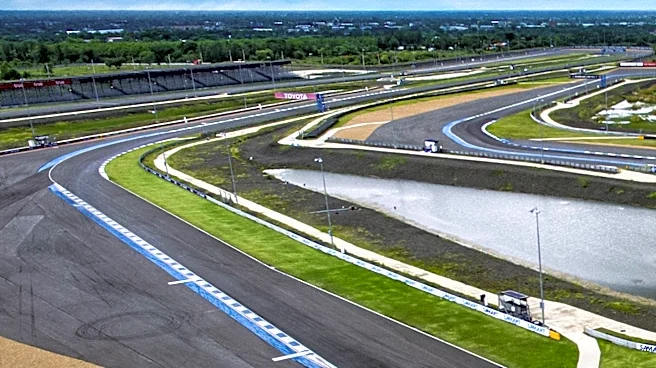
The Bahrain International Circuit is known for its large run-off areas, which, while sometimes criticized for not penalizing mistakes, contribute significantly to the track's safety. These areas also help prevent sand from blowing onto the track, a practical consideration in its desert location. The circuit is widely regarded as one of the safest in Formula One. Culturally, podium celebrations at the Bahrain Grand Prix feature a non-alcoholic rosewater drink called Waard instead of champagne, respecting local traditions.
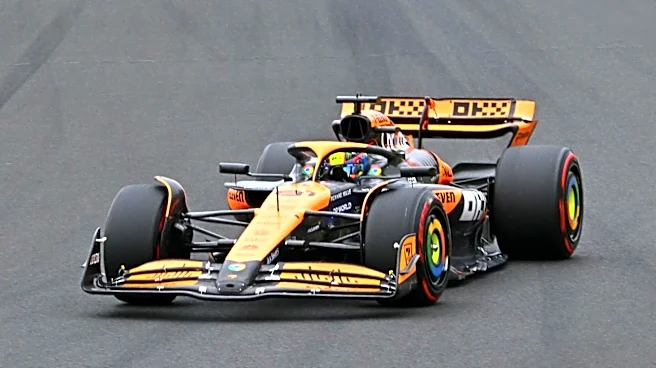
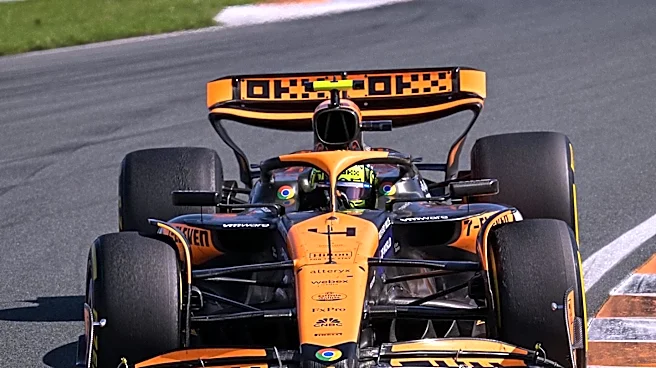
The 2025 Bahrain Grand Prix, the fourth round of the 2025 Formula One World Championship, was held on April 13, 2025. Oscar Piastri of McLaren secured a victory, converting his pole position into a win, ahead of George Russell of Mercedes and his teammate Lando Norris. This race further cemented the Bahrain Grand Prix's status as a key event on the Formula One calendar, continuing its legacy as a pioneering and enduring fixture in global motorsport.