
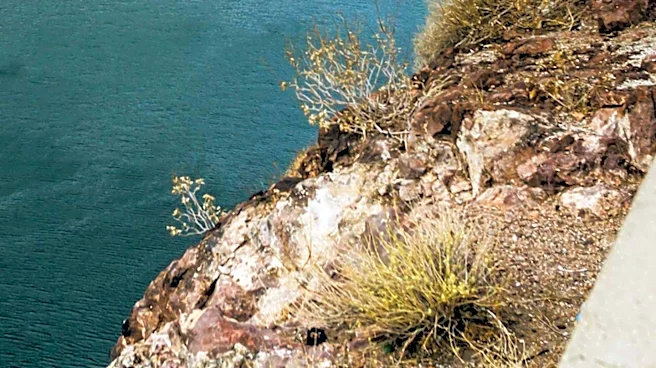



Lakes are dynamic systems, with water levels that can change over time due to various natural and human-induced factors. These fluctuations can have significant impacts on the surrounding environment and human activities. This article explores the causes of lake level changes and their effects on ecosystems and communities.
Natural Causes of Lake Level Changes
Lake levels are primarily influenced by the balance between water input and output. Natural sources of water input include precipitation,
runoff from streams and rivers, and groundwater inflow. These sources can vary seasonally and annually, leading to changes in lake levels. For instance, heavy rainfall or snowmelt can increase water input, raising lake levels.
Conversely, water output from lakes occurs through evaporation, surface outflows, and groundwater seepage. Evaporation rates can be affected by temperature, humidity, and wind conditions. During hot, dry periods, evaporation can exceed water input, causing lake levels to drop. These natural fluctuations are part of the lake's hydrological cycle and can vary widely depending on the lake's location and climate.
Human Impact on Lake Levels
Human activities can also significantly influence lake levels. Water extraction for agricultural, industrial, and domestic use can reduce lake levels, especially in regions with high water demand. Additionally, the construction of dams and reservoirs can alter the natural flow of water into and out of lakes, leading to changes in water levels.
Artificial diversions of water for irrigation or urban development can further impact lake levels. For example, the diversion of water from the Great Lakes for the Chicago River has been a point of contention due to its potential effects on lake levels. As human populations and water demands continue to grow, managing these impacts becomes increasingly important to maintain the ecological balance of lake systems.
Effects of Lake Level Fluctuations
Changes in lake levels can have profound effects on both natural ecosystems and human communities. For aquatic ecosystems, fluctuations in water levels can alter habitats, affecting the distribution and abundance of plant and animal species. Low water levels can expose lake beds, reducing habitat availability for aquatic organisms and increasing the risk of predation.
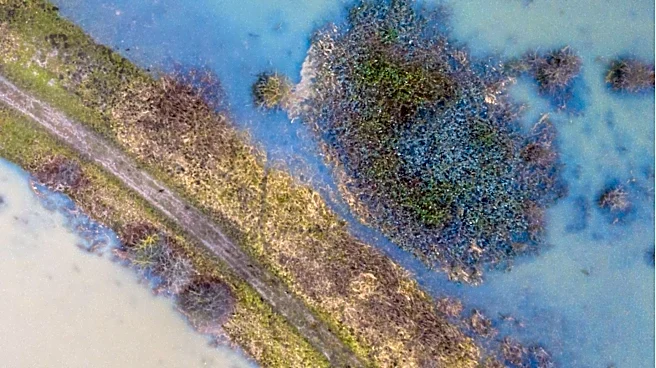
For human communities, changes in lake levels can impact water supply, recreation, and infrastructure. Low water levels can lead to water shortages, affecting agriculture and drinking water availability. Conversely, high water levels can cause flooding, damaging property and infrastructure. Managing these fluctuations is crucial to minimize negative impacts and ensure the sustainable use of lake resources.
In conclusion, understanding the causes and effects of lake level fluctuations is essential for effective water management and conservation. By recognizing the interplay between natural processes and human activities, we can better anticipate and mitigate the impacts of changing lake levels on ecosystems and communities.