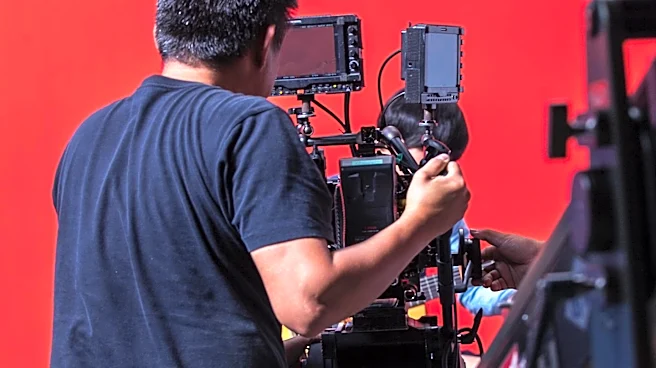

Crazy Rich Asians, directed by Jon M. Chu, is a 2018 romantic comedy-drama that captivated audiences worldwide. Based on Kevin Kwan's 2013 novel, the film was a significant milestone in Hollywood for its
majority Asian cast. The production process involved careful planning and creative decisions that contributed to its success. Released on August 15, 2018, the film grossed over $238 million globally and received critical acclaim.
Securing the Film Rights
The journey to bring Crazy Rich Asians to the big screen began with securing the film rights. In 2013, producer Nina Jacobson, known for her work on The Hunger Games, acquired the rights to adapt Kwan's novel. Kevin Kwan sold the rights for just $1, ensuring he retained significant creative control as an executive producer. This decision allowed Kwan to influence the film's direction and maintain the authenticity of the story.
The film's production was a collaborative effort involving several companies, including SK Global Entertainment, Starlight Culture Entertainment, and Color Force. Warner Bros. Pictures distributed the film, marking a significant investment in a project with a predominantly Asian cast. The production team was committed to creating a film that stayed true to the novel's spirit while appealing to a broad audience.
Casting and Filming
Casting was a crucial aspect of the film's production. The filmmakers sought actors who could authentically portray the characters from Kwan's novel. The cast included Constance Wu, Henry Golding, Gemma Chan, and Michelle Yeoh, among others. Their performances were praised for bringing depth and authenticity to the story.
Filming took place in various locations, including Singapore and Malaysia, capturing the opulence and beauty described in the novel. The production design was meticulously crafted to reflect the luxurious lifestyle of the characters, with vibrant colors and intricate details that enhanced the film's visual appeal.
Creative Decisions and Challenges
Director Jon M. Chu faced several creative challenges during production. One significant decision was the film's soundtrack, which featured a mix of contemporary and classic songs. Chu and music supervisor Gabe Hilfer curated a multilingual soundtrack that included Chinese songs from the 1950s and 1960s, as well as modern hits. This musical diversity added depth to the film's cultural representation.
Another challenge was balancing the film's comedic and dramatic elements. The screenplay, written by Peter Chiarelli and Adele Lim, successfully blended humor with heartfelt moments, creating a film that resonated with audiences. The production team worked diligently to ensure that the film honored the novel while offering a fresh and engaging cinematic experience.