






Circadian rhythm sleep disorders (CRSDs) represent a family of conditions that disrupt the timing of sleep, stemming from a misalignment between an individual's internal biological clock and external environmental cues. Humans, like most living organisms, possess various biological rhythms that control daily fluctuations in processes such as body temperature, alertness, and hormone secretion. These internal time-keeping mechanisms, centralized in the suprachiasmatic
nucleus (SCN) of the hypothalamus, regulate sleep-wake propensity. When these processes or their communication pathways are disrupted, it can lead to problems in sleeping patterns, collectively known as CRSDs. It's important to distinguish CRSDs from general irregular sleep; a diagnosis requires either a misalignment between the circadian oscillator and the environment or a failure in the clock entrainment pathway.
Normal circadian function allows individuals to maintain regular sleep schedules, regulate daily hormone secretion, and sustain oscillations in core body temperature. Even without external time cues, humans maintain a roughly 24-hour rhythm in these biological activities. This enables people to balance rest and wakefulness, supporting alertness during the day and rest at night. However, for those with CRSDs, this balance is disturbed. The International Classification of Sleep Disorders classifies CRSDs as a type of sleep dyssomnia. Although studies suggest that about 3% of the adult population has a CRSD, many are often misdiagnosed with insomnia. Among adults diagnosed with sleep disorders, an estimated 10% have a CRSD, and among adolescents, this figure rises to an estimated 16%.
The Diagnostic Journey for CRSDs
Diagnosing CRSDs involves a thorough and multi-faceted approach by sleep specialists. The process typically begins with a comprehensive assessment of the patient's sleep and wake habits, body temperature patterns, and dim-light melatonin onset (DLMO). This data provides crucial insights into the patient's current schedule and the physiological phase markers of their biological clock. A standard questionnaire is used to record typical bedtime, sleep duration, sleep latency, and instances of waking up. Professionals also inquire about external factors that might influence sleep, such as prescription drugs for mood disorders (like tricyclic antidepressants or selective serotonin reuptake inhibitors), work schedules, and the timing of exercise.
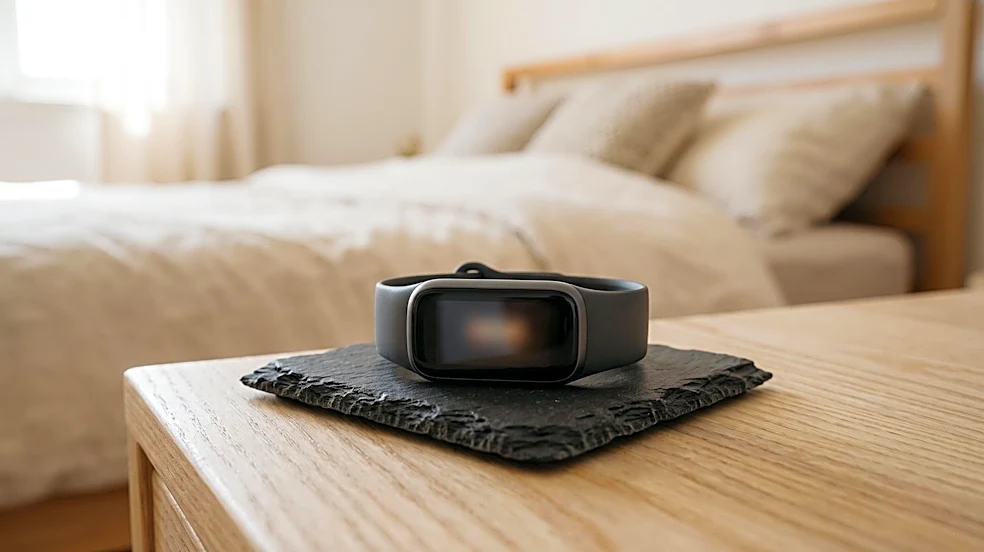
To objectively measure sleep variables, patients often wear actigraphy watches that record sleep onset, wake time, and other physiological data. This is complemented by a week-long sleep diary where patients self-report their sleep habits, documenting when they go to bed and wake up. This combination of objective and subjective data helps sleep professionals confirm patterns described in the patient's sleep history. Additional tools for classifying sleep and biological clock characteristics include the morningness-eveningness questionnaire (MEQ) and the Munich ChronoType Questionnaire, both of which show strong correlations with accurately reporting phase-advanced or delayed sleep. Questionnaires like the Pittsburgh Sleep Quality Index (PSQI) and the Insomnia Severity Index (ISI) help gauge the severity of sleep disruption, assessing problems with sleep latency, undesired early-morning wakefulness, and difficulties falling or staying asleep. For children aged one to five, the Tayside children's sleep questionnaire, a ten-item tool, is used. In some cases, a sleep study may also be employed.
Impact and Misconceptions of CRSDs
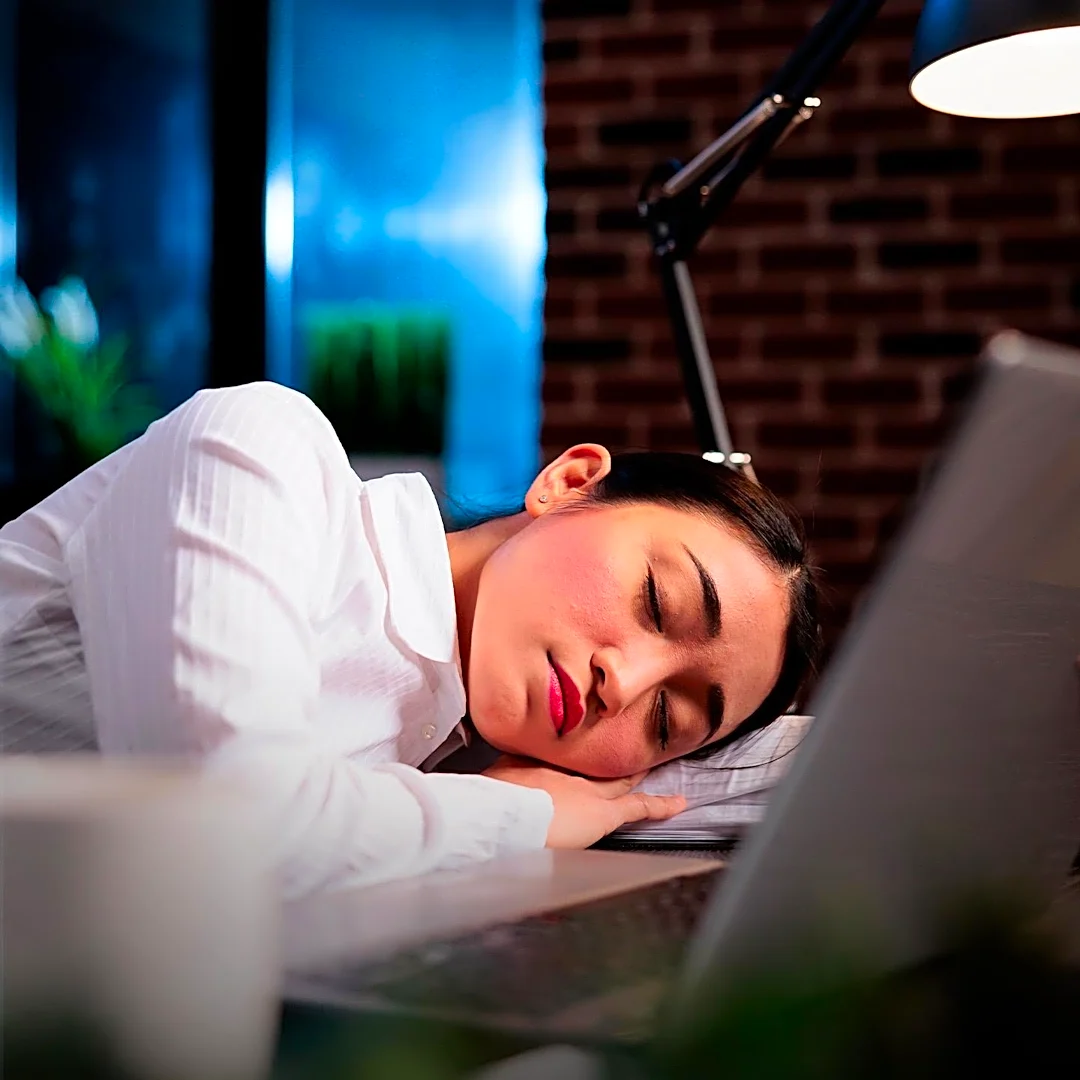
Patients diagnosed with CRSDs typically exhibit a pattern of disturbed sleep, which can manifest as excessive sleep interfering with work and daily functions, or insomnia at desired sleep times. It is crucial to understand that merely having a preference for extremely early or late wake times does not constitute a CRSD diagnosis. There must be a distinct impairment of biological rhythms that negatively affects the person's desired work and daily behavior. The core feature of these disorders is a misalignment between the patient's sleep-wake pattern and the pattern that is desired or considered the societal norm. This often means the patient cannot sleep when sleep is desired, needed, or expected.
Misdiagnosis is a significant issue, with many CRSD patients initially misidentified as having insomnia. This can lead to inappropriate treatments and prolonged suffering. The lack of public awareness about these disorders contributes to the difficulties experienced by affected individuals, who may be stereotyped as undisciplined or lazy. This can have severe consequences, including difficulties maintaining social lives, job loss, or academic failure. For many patients, receiving an accurate diagnosis of a CRSD can be a life-changing breakthrough, validating their experiences and paving the way for appropriate management strategies.