





Arkansas's history is deeply intertwined with military conflicts and the evolution of transportation, both of which are extensively documented and preserved in various museums across the state. These institutions offer detailed accounts of battles, the lives of soldiers, the development of aviation, and the crucial role of railroads and other forms of transport in connecting communities and driving economic growth. From Civil War battlefields to historic
airfields and railway depots, these museums provide vital insights into the forces that shaped Arkansas and the nation.
Preserving Military History and Valor
Several museums in Arkansas are dedicated to honoring military history, from early conflicts to modern engagements. The MacArthur Museum of Arkansas Military History in Little Rock comprehensively covers the military history of Arkansas, spanning from its territorial period to the present day. This museum provides a broad overview of the state's contributions and experiences in various wars and conflicts. The Fort Smith National Historic Site specifically focuses on Fort Smith's military history from 1817 to 1871, detailing its role as a frontier outpost and its significance during the Civil War era.
Further exploring specific conflicts, the Pea Ridge National Military Park in Garfield preserves a Civil War battlefield and includes a museum dedicated to that pivotal event. The Jacksonville Museum of Military History covers Arkansas military history from the Civil War through Iraq, with a special emphasis on the Little Rock Air Force Base and the Arkansas Ordnance Plant, highlighting both historical and contemporary military roles. The Bradley County Veterans Museum in Warren also serves to honor veterans and their service. A planned institution, the U.S. Marshals Service National Museum in Fort Smith, aims to tell the story of this historic law enforcement agency, which has deep roots in the region.
The Evolution of Aviation and Railroads
Transportation museums in Arkansas highlight the significant impact of aviation and railroads on the state's development. The Arkansas Air & Military Museum in Fayetteville chronicles the history of aviation in Arkansas and American military conflicts, featuring historic aircraft that tell stories of flight and combat. The Fort Smith Air Museum, located at the Fort Smith Regional Airport, specifically honors pioneer and military aviators from western Arkansas and eastern Oklahoma, celebrating local contributions to flight. The Aviation Cadet Museum in Eureka Springs also contributes to the preservation of aviation history.
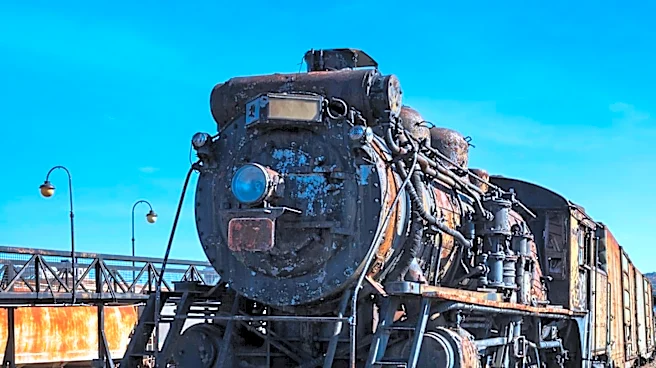
Railroads played a crucial role in Arkansas's economic and social landscape, and several museums are dedicated to this heritage. The Arkansas Railroad Museum in Pine Bluff is housed in former railroad shops and features impressive steam locomotives, offering a tangible connection to the age of steam. The Fort Smith Trolley Museum preserves heritage streetcars, steam locomotives, railroad equipment, and other transportation technology, showcasing the evolution of local transit. The Mena Depot Center, also known as the Kansas City/Southern Historical Railroad Museum, focuses on the history of railroads in its region. The Mammoth Spring State Park features an early 20th-century period train station and a caboose, alongside local history displays, illustrating the broader community impact of the railway. These museums collectively underscore the importance of both military endeavors and transportation advancements in shaping Arkansas's past and present.