






The 1992 U.S. Men's Olympic Basketball Team, famously known as the "Dream Team," marked a significant turning point in Olympic basketball history. This was the first time that active professional players from the NBA were allowed to compete in the Olympics, following a change in FIBA rules. The formation of this team was a carefully orchestrated process that brought together some of the greatest basketball talents of the era.
Background and Rule Changes
Before 1992, Olympic basketball
teams from the United States were composed of amateur players, primarily from colleges. This was in stark contrast to other countries, which often fielded their best professional players. The U.S. team's disappointing bronze medal finish in the 1988 Olympics highlighted the need for change. In 1989, FIBA voted to allow professional players to participate in international competitions, including the Olympics. This decision paved the way for the inclusion of NBA players in the U.S. Olympic team.
The change in rules was not without controversy. The Amateur Basketball Association of the United States of America (ABAUSA) initially opposed the move, citing concerns from colleges and high schools. However, the potential for a more competitive and successful team ultimately led to the acceptance of professional players. This shift was also seen as a way to counter the growing competition from the Goodwill Games, which were attracting professional talent.
Selection of the Dream Team
The selection process for the 1992 team was meticulous. USA Basketball, the governing body, asked the NBA to provide players for the roster. Initially, there was some reluctance from the NBA, as the league did not foresee the phenomenon the team would become. However, the opportunity to redeem the 1988 loss and showcase the best of American basketball was too significant to pass up.
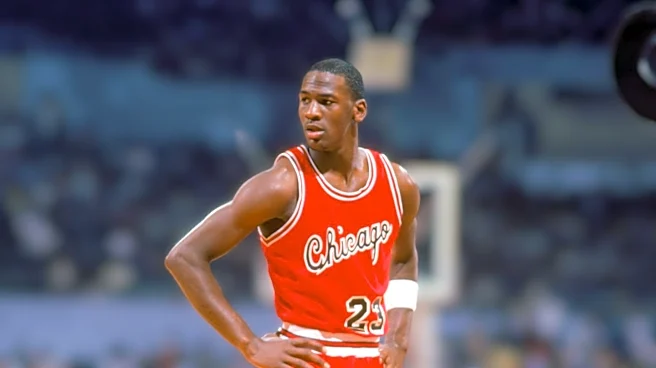
The first ten players were announced in September 1991, including legends like Michael Jordan, Magic Johnson, and Larry Bird. These players were at the peak of their careers, and their inclusion was a testament to the team's historic nature. The final professional spot was given to Clyde Drexler, while Christian Laettner was chosen as the sole collegiate player, acknowledging the previous amateur system.
Impact and Legacy
The formation of the Dream Team had a profound impact on international basketball. The team's dominance in the 1992 Olympics, where they won the gold medal with ease, showcased the superiority of NBA talent. This success also sparked a global interest in basketball, leading to an increase in international players in the NBA.
The Dream Team's legacy is not just about their on-court success but also their role in transforming Olympic basketball. They set a new standard for excellence and inspired future generations of players worldwide. The team's induction into various halls of fame further cements their place in sports history as one of the greatest teams ever assembled.