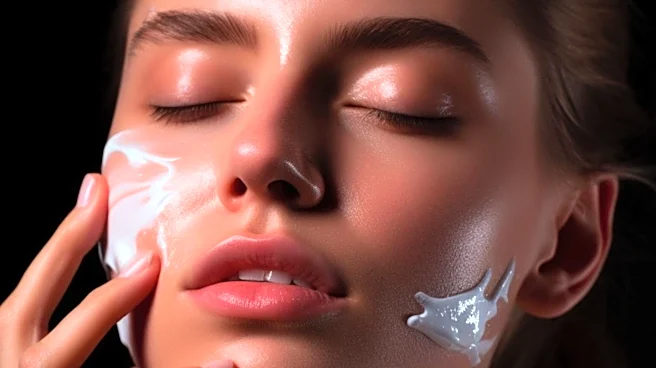

Sunless tanning offers an alternative to traditional sun exposure for achieving a darker skin tone, relying on chemical reactions rather than ultraviolet radiation. This method primarily involves the use
of lotions or creams that contain dihydroxyacetone, commonly known as DHA. The process works by initiating a reaction with the dead skin cells present on the outermost layer of the skin, leading to a temporary coloration. This chemical interaction provides a way for individuals to achieve a tanned appearance without the potential risks associated with prolonged sun exposure or the use of tanning beds.
The Role of Dihydroxyacetone (DHA)
Dihydroxyacetone (DHA) is the key active ingredient in most sunless tanning products. It is a colorless sugar that interacts with amino acids in the dead cells of the skin's stratum corneum, which is the outermost layer. This reaction, known as the Maillard reaction, produces melanoidins, which are brown pigments. These pigments are similar in color to melanin, the natural pigment responsible for a sun-induced tan. Because DHA only affects the dead skin cells on the surface, the tan it produces is temporary and fades as these cells naturally exfoliate from the skin. This mechanism ensures that the coloration is superficial and does not involve deeper skin layers.
Early Innovations in Sunless Tanning
The concept of sunless tanning is not a recent development. The first self-tanner was introduced to the market in 1959, under the brand name Tan-Man. This marked a significant milestone, offering consumers a novel way to achieve a bronzed look without direct sun exposure. Following this, Coppertone, a well-known brand in sun care, introduced its own self-tanner in the 1960s. These early products laid the groundwork for the sunless tanning industry, providing alternatives to traditional tanning methods and catering to a growing desire for a tanned aesthetic that was increasingly associated with leisure and health.
The Evolution of Sunless Tanning Products
Over the decades, sunless tanning products have evolved significantly. While the core mechanism involving DHA remains central, advancements have focused on improving the application experience, the natural appearance of the tan, and the longevity of the results. Modern formulations often include additional ingredients to moisturize the skin, reduce streaking, and minimize the characteristic odor sometimes associated with DHA. The goal has been to create a more seamless and convincing sunless tan, making it a popular choice for those who wish to avoid UV radiation while still enjoying a darker complexion. The continuous development in this area reflects the ongoing demand for safe and effective tanning alternatives.