




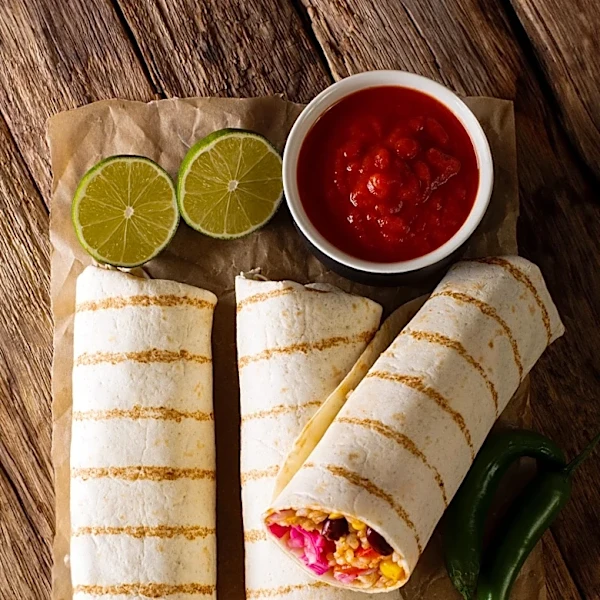


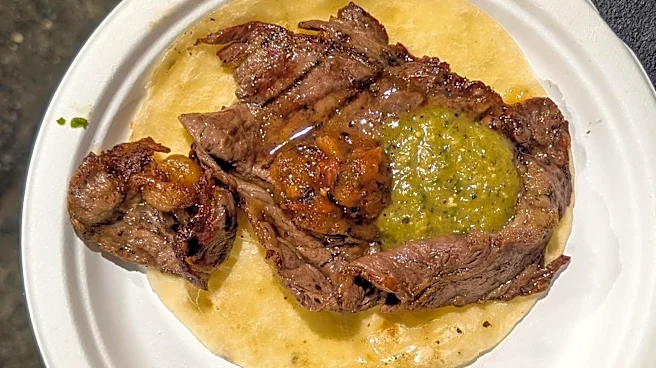


Salsa, a staple in Mexican cuisine, has evolved over time to become a versatile condiment enjoyed worldwide. From its humble beginnings as a simple tomato and pepper mixture, salsa has diversified into numerous varieties, each with its unique flavor profile and culinary application. This article delves into the historical development of salsa, highlighting its various forms and uses in Mexican dishes.
Origins and Basic Varieties
Salsa has long been a common ingredient in Mexican
cuisine, traditionally served as a condiment with tacos, stirred into soups and stews, or incorporated into tamale fillings. The basic form of salsa, known as salsa fresca, is made with fresh tomatoes and hot peppers. This fresh salsa is a staple in many Mexican households, offering a vibrant and spicy addition to meals.
Another popular variety is salsa verde, which is made with cooked tomatillos. Salsa verde is often served as a dip or sauce for dishes like chilaquiles and enchiladas. The use of tomatillos gives salsa verde a tangy flavor that complements the richness of these dishes. Chiltomate, a base sauce made of tomatoes and chiles, is widely used across Mexico, with regional variations in the type of pepper used.
Regional Variations and Uses
The type of salsa used in Mexican cuisine can vary significantly by region. For example, in Chiapas, fresh green chiles are more commonly used than habanero peppers in chiltomate. This regional preference influences the flavor and heat level of the salsa, showcasing the diversity within Mexican culinary traditions.
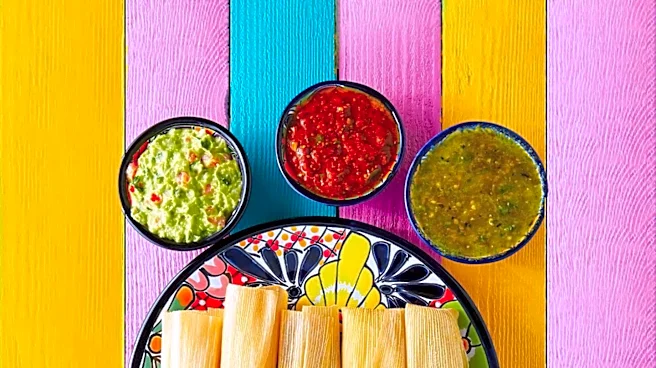
Tamales, a beloved Mexican dish, are often identified by the type of salsa they are filled with. Options include salsa verde, salsa roja, salsa de rajas, and salsa de mole. Each type of salsa imparts a distinct flavor to the tamales, allowing for a wide range of taste experiences.
Modern Adaptations and Global Influence
In recent years, salsa has gained popularity beyond Mexico, particularly in the United States. The use of salsa as a table dip was popularized by Mexican restaurants in the U.S., leading to a surge in tomato-based Mexican-style salsas during the 1980s. By 1992, salsa sales in the U.S. had surpassed those of tomato ketchup, highlighting its widespread appeal.
Today, salsa is used in various culinary applications, including marinades, salad dressings, and cooked sauces. It accompanies fish, poultry, and meat dishes, and serves as a condiment for baked potatoes, pasta dishes, and pizza. The versatility of salsa continues to inspire new recipes and adaptations, solidifying its place as a beloved condiment in kitchens around the world.