






Canberra, Australia's capital city, is built upon a landscape rich with thousands of years of Indigenous history and culture. Long before European settlement, the land now known as Canberra was home to various First Nations peoples, whose deep connection to the country shaped its environment and traditions. Understanding this heritage is crucial to appreciating the full story of the region, revealing a complex tapestry of ancient practices, spiritual
beliefs, and sophisticated land management techniques that sustained communities for millennia. The presence of these original custodians continues to resonate through the landscape, with significant sites and cultural practices still holding importance today.
Ancient Roots and Diverse Communities
The Canberra area was primarily inhabited by the Ngunnawal, Ngunawal, and Ngambri peoples, who were the first custodians of this land. Beyond these primary groups, other First Nations communities also laid claim to or had connections with the region. These included the Ngarigo, who resided directly to the south, and the Ngambri-Guumaal. Neighboring groups further expanded this network, with the Wandandian to the east, the Walgulu also to the south, the Gandangara people to the north, and the Wiradjuri to the north-west. This intricate web of communities highlights the rich cultural diversity that characterized the pre-colonial landscape of southeastern Australia.
Early British settlers arriving in the Canberra area documented the presence of two distinct Ngunnawal clans. The Canberry, or Nganbra, clan primarily lived around Sullivan's Creek and maintained important ceremonial grounds at the base of Galambary, which is now known as Black Mountain. Another significant group, the Pialligo clan, held land in the vicinity of what is now Canberra Airport. These clans were not merely inhabitants but active managers of their environment, employing sophisticated methods to cultivate and sustain the land.
Land Management and Sacred Sites
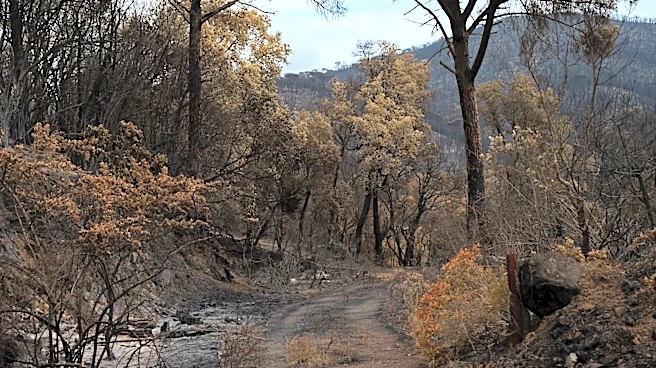
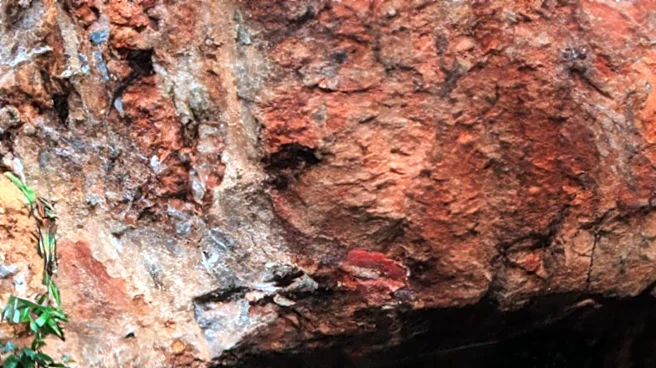
The First Nations peoples of the Canberra region practiced careful and deliberate land management. They utilized fire as a tool to shape the landscape, promoting new growth and facilitating hunting. Beyond this, they farmed yams and engaged in hunting to secure food resources, demonstrating a deep understanding of their ecological surroundings. Archaeological evidence provides tangible links to this ancient past, with findings such as inhabited rock shelters, intricate rock paintings and engravings, sacred burial places, temporary camps, and quarry sites. The discovery of stone tools and arrangements further illustrates the long-standing human activity in the area, with artifacts suggesting early human presence dating back approximately 21,000 years.
Many sites within and around modern Canberra hold profound cultural and spiritual significance. The Murrumbidgee River, for instance, remains a vital location where Ngunnawal men continue to conduct ceremonies. Traveling upstream along the river, they receive their totems and corresponding responsibilities for land management, reflecting a continuous connection to ancestral practices. The Ngunnawal term 'Murrum' translates to 'Pathway,' and 'Bidgee' means 'Boss,' together signifying a deep respect for the river as a guiding force and authority in their lives. Even beneath the waters of Lake Burley Griffin, submerged limestone caves contain Aboriginal rock art, representing some of the few such sites found in the region and offering a glimpse into the artistic and spiritual expressions of its original inhabitants.
Mountains as Cultural Landmarks
Two prominent natural features, Galambary (Black Mountain) and Mount Ainslie, are not just geographical landmarks but also hold immense cultural importance for the Ngunnawal and Ngambri peoples. Galambary, or Black Mountain, is recognized as a significant Aboriginal meeting and business site, predominantly reserved for men's business. It also served as an initiation site, symbolizing the journey and growth of a boy into a man, with the mountain itself embodying this transformative process. Its imposing presence and spiritual weight made it a central point for community gatherings and rites of passage.
In contrast, Mount Ainslie is primarily designated as a place for women's business. Both Black Mountain and Mount Ainslie are symbolically referred to as women's breasts by the Ngunnawal and Ngambri people, highlighting their nurturing and life-giving roles within the landscape and culture. These mountains, therefore, stand as powerful reminders of the gendered division of labor, spiritual responsibilities, and the deep reverence held for the natural world by the First Nations peoples of the Canberra region. Their stories and significance continue to be an integral part of Canberra's identity, connecting the modern city to its ancient past.