






The Argentine horned frog, also known by several other names including the ornate horned frog or simply the Pacman frog, is a fascinating species native to the grasslands of South America. Found predominantly in Argentina, Uruguay, and Brazil, this amphibian is renowned for its distinctive appearance and aggressive predatory nature. Its nickname, "Pacman frog," is a direct reference to the classic 1980s arcade game character, highlighting its large
mouth that seems to dominate its round body, much like the video game icon.
Physical Traits and Habitat
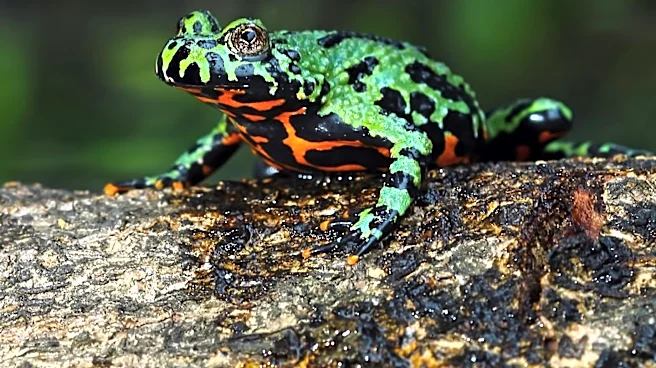
This species, scientifically named *Ceratophrys ornata*, is the most common type of horned frog. Females can reach a substantial size, growing up to 6.5 inches (16.5 cm) in snout-vent length (SVL), while males are slightly smaller, typically around 4.5 inches (11.5 cm) SVL. A defining characteristic of the horned frog is its mouth, which can account for approximately half of the animal's total size. While bright green with red markings is a common coloration, variations exist, including dark green, parti-color black, and red with dark markings.
Sexing these frogs can be challenging before they reach sexual maturity. However, once mature, males are generally smaller than females and possess dark pigmented throats along with nuptial pads on their forelimbs. Their hindlimbs are notably short and lack webbed feet, making them inefficient swimmers. This physical adaptation aligns with their preferred hunting strategy, which does not involve active pursuit in water.
Hunting Strategy and Diet
Argentine horned frogs are classic ambush predators, employing a "sit-and-wait" strategy. They remain motionless, patiently waiting for unsuspecting prey to come within striking distance. Their voracious appetite means they will attempt to swallow almost anything that moves close to their wide mouths, even if the prey is too large and could potentially lead to suffocation. This fearless reputation extends to their willingness to consume animals sometimes equal to or even greater than their own size.
Their natural diet in the wild is diverse and includes insects, rodents like mice, passerine birds, small reptiles, other frogs, and large spiders. Field studies indicate that vertebrates make up about 50% of an adult Argentine horned frog's diet. Their heavy bodies are an advantage in hunting, allowing them to remain anchored while grappling with larger prey items. During periods of scarcity or the dry season, these frogs can draw upon fat reserves stored in their bodies as an emergency food source.
Defensive Mechanisms and Bite Force
Despite their relatively small size compared to some predators, Argentine horned frogs are known for their aggressive defense. If threatened by a larger animal, such as a human, they can deliver a painful bite. This is due to several odontoid projections, which are not true teeth but serve a similar function, located along both their bottom and upper jaws. A bite from one of these frogs can be severe enough to require medical attention.
Beyond biting, they may also jump towards an attacker, regardless of the perceived size or power of the threat. This combination of a powerful bite and an intimidating display underscores their fearless nature. Their ability to immobilize prey with their bite force, even if the prey is half their size, is a testament to their predatory prowess. However, this strong grip, combined with a row of projections along the upper jaw, can sometimes be a disadvantage, as it can prevent them from releasing prey, potentially leading to choking if the item is too large.