





The Neil Simon Theatre, a prominent fixture on Broadway, has a rich history marked by architectural distinction, significant name changes, and a legacy of hosting iconic theatrical productions. Originally opening its doors as the Alvin Theatre in 1927, this venue has witnessed nearly a century of Broadway's vibrant life. Its evolution from its initial design to its current status as a protected landmark reflects the dynamic nature of New York City's
Theater District and the enduring appeal of live performance.
The Alvin Theatre: Early Years and Design
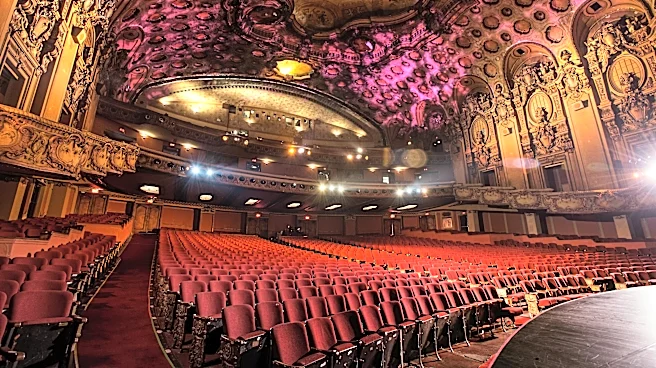
Constructed in 1927, the theater first opened as the Alvin Theatre. Its design was the work of Herbert J. Krapp, a well-known architect responsible for numerous Broadway venues. Krapp conceived the exterior in the neo-Georgian style, a choice that lent the building a sense of classical dignity and permanence. Inside, the theater showcased the Adam style, characterized by its refined plaster decorations and elegant aesthetic, a common feature in Krapp's interior designs. This blend of exterior and interior styles created a sophisticated environment for early 20th-century theatergoers.Upon its opening, the Alvin Theatre was equipped with a substantial seating capacity. It originally held 1,400 seats, distributed across its orchestra, balcony, and box sections. The auditorium's initial color scheme was a blend of ivory, blue, gray, and gold, complemented by lavender or mulberry draperies, creating an atmosphere of understated luxury. These early details established the theater as a significant new addition to Broadway.
Renaming and a Playwright's Legacy
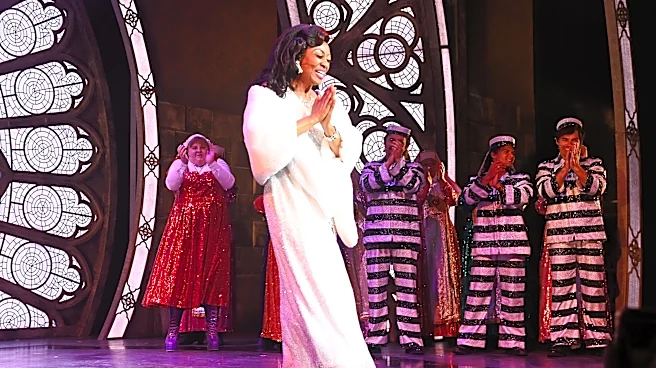
A pivotal moment in the theater's history occurred in 1983 when it was renamed the Neil Simon Theatre. This change honored Neil Simon, one of America's most celebrated playwrights, whose works frequently graced its stage. Simon's plays were a staple at the theater throughout the 1980s and 1990s, cementing a strong association between the venue and his prolific career. This renaming was a significant tribute, acknowledging Simon's immense contribution to American theater and his particular connection to this specific Broadway house.Beyond Simon's plays, the theater continued to host other major productions. Notably, the highly successful musical *Hairspray* ran for much of the 2000s at the Neil Simon Theatre, further adding to its distinguished performance history. This period demonstrated the theater's versatility and its continued role as a premier destination for both dramatic plays and popular musicals.
Landmark Designation and Preservation
The architectural and historical importance of the Neil Simon Theatre did not go unnoticed. In the early 1980s, discussions began regarding its potential designation as a landmark. These conversations culminated in August 1985 when the Landmarks Preservation Commission (LPC) officially designated the facade of the Neil Simon Theatre as a landmark. This designation was part of a broader effort that also included the facades of the Ambassador and Virginia (now August Wilson) theaters.Crucially, the landmark status for the Neil Simon Theatre also extended to its interior, a recognition of Krapp's Adam-style design. This decision was made despite objections from the theater's owners, highlighting the public and governmental commitment to preserving significant architectural heritage. The New York City Board of Estimate ratified these landmark designations in December 1985, ensuring that the unique design and historical character of the Neil Simon Theatre would be protected for future generations, maintaining its integrity as a vital part of Broadway's architectural and cultural fabric.