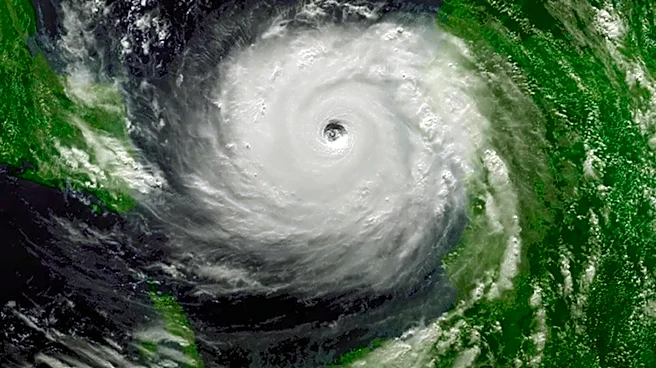




Hurricane Laura's impact on Louisiana in August 2020 was both extensive and historic, leaving a trail of devastation that resonated across the state. This Category 4 hurricane, which made landfall near Cameron, Louisiana, on August 27, 2020, tied with the 1856 Last Island hurricane and Hurricane Ida as the strongest hurricane on record to hit Louisiana in terms of wind speed. The storm's powerful winds, significant storm surge, and subsequent flooding
led to widespread damage, numerous fatalities, and a challenging recovery period for many communities.
Preparations and Warnings
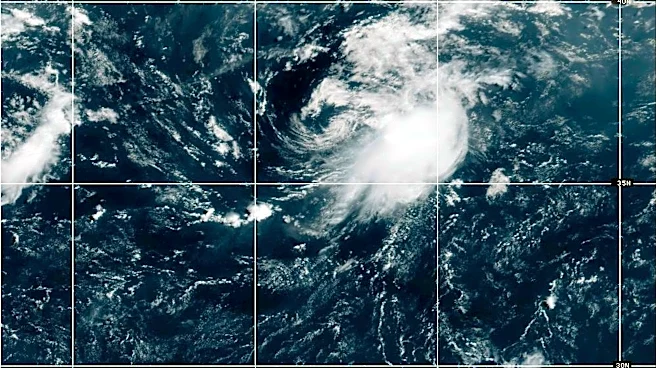
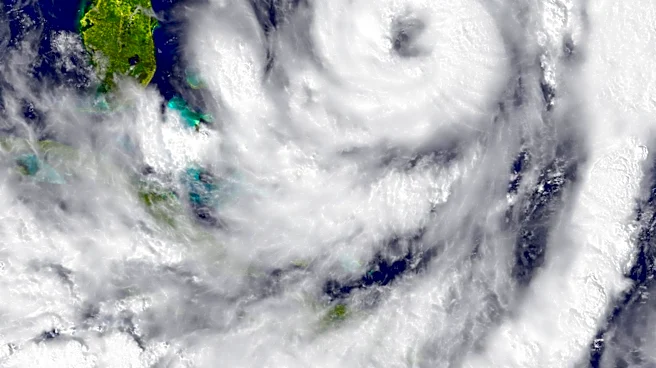
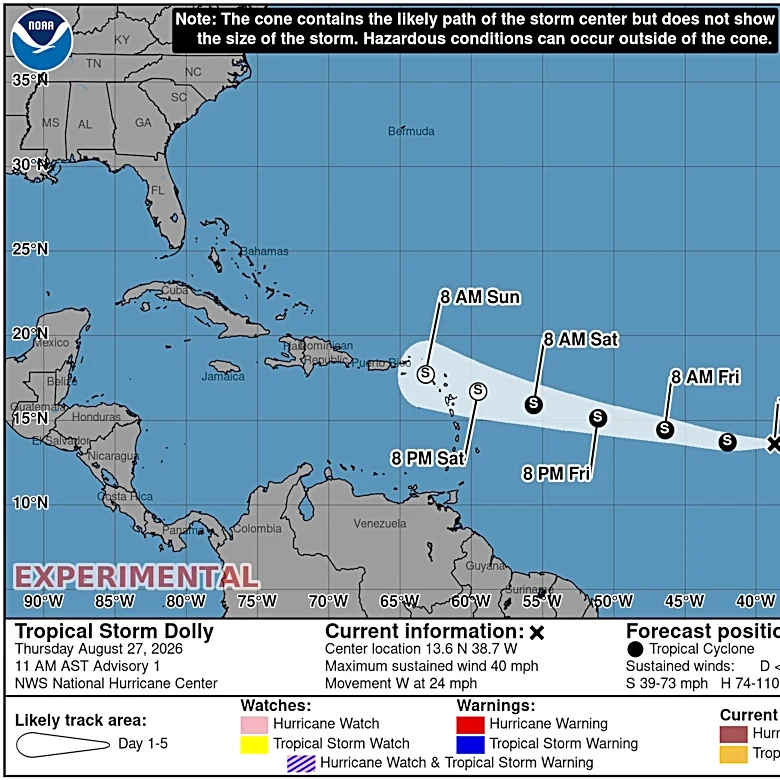
Even before Laura's direct approach, the National Hurricane Center (NHC) began to note the possibility of the storm impacting the U.S. Gulf Coast as early as August 21, though Louisiana was not specifically mentioned at first. Initial predictions suggested a minimal hurricane, but the NHC soon recognized the potential for a much stronger storm. As days progressed, it became increasingly clear that Laura would make landfall in or near Louisiana as a powerful hurricane. This situation was further complicated by Tropical Storm Marco, which also entered the Gulf of Mexico and briefly strengthened into a hurricane, raising concerns about two hurricanes hitting the Gulf Coast within days of each other. However, Marco ultimately weakened significantly before reaching the coast.By August 24, hurricane, tropical storm, and storm surge watches were issued for nearly the entire Louisiana coastline, just hours after similar warnings for Marco had been canceled in the southeastern part of the state. These watches were largely upgraded to warnings the following day, and a flash flood watch was issued for the western half of Louisiana, anticipating over 10 inches (250 mm) of rain. As the threat of storm surge intensified, the NHC issued dire warnings of "unsurvivable storm surge with large and destructive waves." Three tornado watches were eventually issued across most of the state. As Laura neared landfall, rare Extreme Wind Warnings were put in place for Louisiana and Texas, indicating imminent or ongoing winds exceeding 110 miles per hour (180 km/h).
Catastrophic Damage in Southwest Louisiana
When Hurricane Laura made landfall, the effects were immediate and catastrophic, particularly in southwest and central Louisiana. The city of Lake Charles and its surrounding communities in Calcasieu Parish experienced widespread, catastrophic-level damage. Residential and commercial building roofs and structures were severely compromised, and approximately half of all mature trees were either blown down, stripped of branches, or broken. The Lake Charles Regional Airport recorded a wind gust of 133 miles per hour (214 km/h) before its instrument was destroyed, and other instruments reported gusts as high as 124 miles per hour (200 km/h).In Lake Charles, the Capital One Tower had many of its windows blown out, and a communications tower collapsed onto the KPLC studio building. The radar at the NWS Lake Charles forecast office was destroyed, with its dome and internal equipment sheared from the base. Multiple hangars at the airport were destroyed, and Farrar Hall at McNeese State University also sustained damage. A Motel 6 building partially collapsed. Beyond structural damage, environmental concerns arose from a chlorine leak that caused a large chemical fire on the west side of Lake Charles, and several freight cars were derailed on the east side of the city. Power infrastructure was severely impacted, with double- and triple-KVA power transmission towers and lines heavily damaged or destroyed, contributing to the 900,000 customers statewide who lost power.
Aftermath and Recovery Challenges
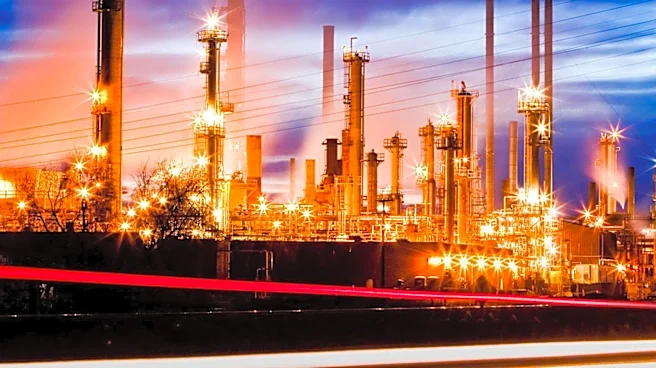
The aftermath of Hurricane Laura presented immense challenges for Louisiana. Roads in Calcasieu and Cameron Parishes became impassable, cutting off access to communities like Cameron and Creole. The storm caused 33 fatalities within Louisiana and an estimated $17.5 billion in damages. A significant humanitarian crisis emerged as about 200,000 people were left without drinking water due to 80 water systems becoming inoperable. The extensive damage to power grids meant that over a million people lost power, with some areas facing outages for weeks or even months. Many homes were rendered uninhabitable, partly due to destroyed air conditioning units. Recovery efforts were further hampered by additional rainfall in the days following Laura's passage.President Donald Trump approved a post-storm major disaster declaration for 23 parishes in Louisiana on August 27 and visited the affected areas, including Lake Charles, two days later. Post-storm assessments revealed extensive damage to Louisiana's timber industry, with some small private forest landowners reporting complete loss of their timber acreage, a level of destruction not seen since Hurricane Rita 15 years prior. Industrial facilities also suffered, with one-third showing some damage and nine out of 138 facilities critically damaged, raising environmental concerns. Critically damaged facilities included BioLab, Equistar Chemicals, Chemical Waste Management, and Lotte Chemical in the Lake Charles area. The Capital One Tower, severely damaged, stood vacant for years until its demolition in 2024. The recovery process was further complicated and set back just six weeks later when Hurricane Delta made landfall only 12 miles (19 km) east of Laura's path, re-damaging many areas in and around Lake Charles.