






Epilators are electrical devices designed for hair removal by mechanically grasping and pulling out multiple hairs simultaneously. This method is similar to waxing in that it removes the entire hair, including the part below the skin, but epilators do not remove skin cells. The journey of the epilator began with a simple spring mechanism and has evolved into sophisticated devices utilizing rotating discs and refined tweezing plates. Understanding
the technological progression of these devices reveals how manufacturers have aimed to improve efficiency and user experience over the decades, offering various designs to achieve smooth skin.
The Pioneering Spring-Type Epilators
The very first type of epilator to gain widespread recognition was the original Epilady, launched in Israel in 1986 and manufactured by Mepro in kibbutz HaGoshrim. This groundbreaking design incorporated a coil spring, which was ingeniously bowed into a curve. This curvature caused the coils on one side of the spring to squeeze tightly together, while on the other side, they spread apart. The device's motor rotated this spring, causing it to flex continuously as it spun.
As the rotating spring was moved across the skin, hairs would become caught within the spring's coils and were then pulled out from their follicles. A characteristic of this early design was the continuous flexing of the springs, which made them prone to occasional failure. Consequently, replacement springs were sold separately to users. Interestingly, the fundamental concept of the spring mechanism persists today in some manual epilators designed for facial hair. These simpler devices consist of a coil spring with two handles, operated by bowing the spring into a curve and turning the handles to catch and pull out unwanted facial hair from the roots.
The Advent of Rotating Disc Technology
Following the spring-type epilators, the next significant development in epilator technology was the rotating disc type, exemplified by the Remington Lady Remington Smooth and Silky. This device was engineered to function similarly to its spring-based predecessors but replaced the coil spring with a series of metal discs. These discs performed the hair-grasping and pulling action that the spring had previously accomplished.
The introduction of the rotating disc design led to extensive patent litigation in Europe. This legal challenge arose due to the conceptual similarities between the disc-based system and the earlier spring-type epilators. A notable case in the UK patent infringement landscape was *Improver Corporation v Remington Consumer Product Limited* [1990] F.S.R. 181, highlighting the competitive and innovative nature of the hair removal industry during this period. Despite the legal challenges, the rotating disc concept laid important groundwork for future refinements in epilator design.
Modern Tweezer-Type Epilators and Their Refinements
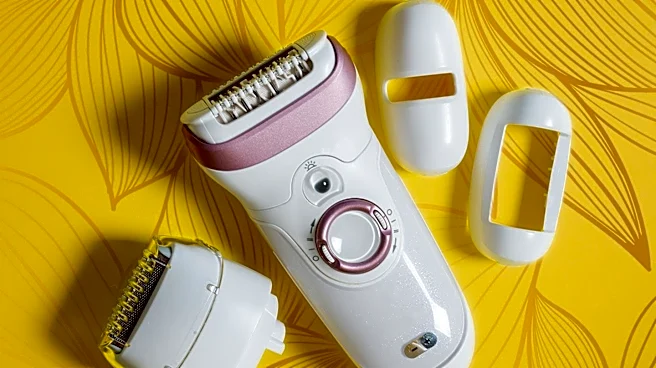
The rotating disc design has undergone substantial refinement, leading to the modern tweezer-type epilators that are prevalent today. In these contemporary designs, the metal plates are no longer complete discs but are configured in a more intricate manner. The head of a modern epilator features a series of metal plates precisely mounted within a plastic housing. The ends of these plates can be exposed on one or both sides of the housing, depending on the specific model.
As the epilator head rotates, the tips of these plates move together and then apart once per revolution. This synchronized movement creates a continuous tweezing effect. Hairs caught between the plates as they close are pulled out as the plates rotate away from the skin. The hairs are then released as the plates separate, allowing for a continuous cycle of gripping, pulling, extracting, and discarding hair as the device is moved across the skin. This advanced mechanism allows for efficient hair removal, though some hairs may snap off above the skin surface rather than being pulled out entirely, depending on their strength and brittleness. Regular use of these modern epilators can lead to less painful regrowth and a reduction in broken hairs over time.