











The St. Lawrence Seaway is a vital maritime route that connects the Atlantic Ocean to the Great Lakes, allowing oceangoing vessels to reach the heart of North America. Since its opening in 1959, the Seaway has played a significant role in global trade, facilitating the movement of goods between international ports and inland destinations. This article explores the Seaway's modern significance and its impact on global trade.
The Seaway's Role in Global Trade
The St. Lawrence Seaway
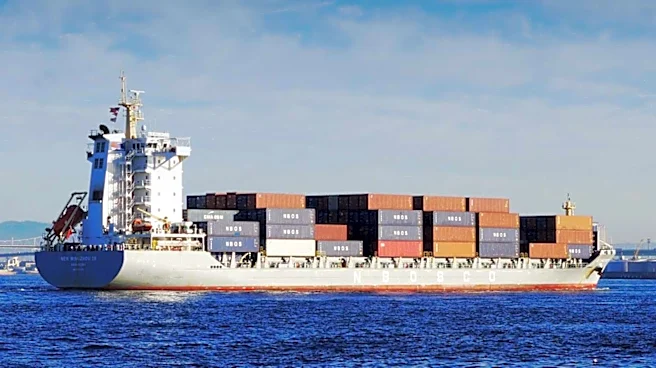
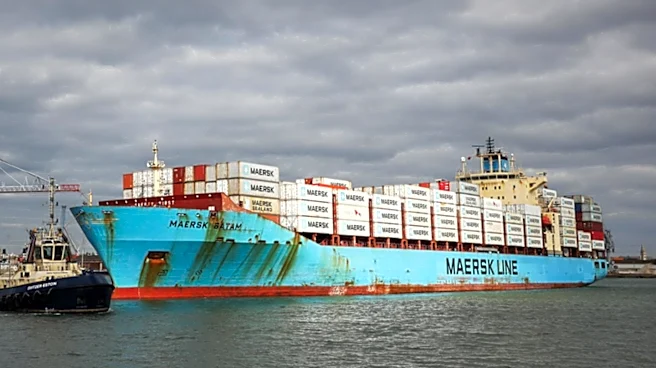
is a crucial link in the global supply chain, handling 40 to 50 million tonnes of cargo annually. Approximately half of this cargo travels to and from international ports in Europe, the Middle East, and Africa, while the rest comprises coastal trade between American and Canadian ports. The Seaway's ability to accommodate large oceangoing vessels makes it an essential route for the transportation of bulk commodities such as grain, steel, and iron ore.
The Seaway's strategic location and infrastructure have made it a preferred route for international shippers. Its locks and channels allow vessels to navigate the varying elevations of the St. Lawrence River, providing a direct and efficient path to the Great Lakes. This accessibility has been a boon for industries in the region, enabling them to compete in the global market by reducing transportation costs and transit times.
Modern Challenges and Adaptations
Despite its significance, the St. Lawrence Seaway faces modern challenges that require adaptation and innovation. One of the primary challenges is the size limitation of the Seaway's locks, which restricts the passage of larger modern vessels. Only about 10% of current oceangoing ships can traverse the entire Seaway, as many have been built larger than the Seaway's lock dimensions.
To address this issue, there have been proposals to expand the Seaway, although these have been rejected due to high costs and environmental concerns. Instead, the focus has shifted to optimizing the existing infrastructure and exploring alternative shipping methods. For instance, the use of feeder ships to transport containers from Lake Ontario to larger oceangoing vessels in Nova Scotia is under consideration, offering a potential solution to the size limitation problem.
Environmental Considerations
The operation of the St. Lawrence Seaway has also raised environmental concerns, particularly regarding the introduction of invasive species. Ballast water from oceangoing vessels has introduced species such as the zebra mussel, which have disrupted the ecosystems of the Great Lakes. These invasive species pose a threat to native wildlife and have significant economic implications for industries reliant on the Great Lakes.
Efforts to mitigate these environmental impacts are ongoing, with regulations and technologies being developed to manage ballast water and prevent the spread of invasive species. Additionally, the Seaway's management bodies are working to balance economic benefits with ecological preservation, ensuring that the Seaway remains a sustainable and viable maritime route.
In conclusion, the St. Lawrence Seaway is a modern maritime route that plays a vital role in global trade. Its strategic location and infrastructure have made it an essential link in the global supply chain, facilitating the movement of goods between international and inland destinations. While the Seaway faces challenges related to vessel size and environmental concerns, ongoing efforts to adapt and innovate ensure its continued significance in the global maritime industry.