

Vortices are a fundamental aspect of lift-induced drag, a type of aerodynamic resistance that affects the performance of aircraft. These swirling air patterns are created as a byproduct of the lift generated by an aircraft's wings. Understanding the role of vortices in lift-induced drag is essential for designing more efficient aircraft and improving flight performance.
How Vortices Form
Vortices form at the wingtips of an aircraft as it moves through the air. The pressure
difference between the high-pressure air beneath the wing and the low-pressure air above it causes air to spill over the wingtips, creating a swirling motion. This motion results in the formation of vortices, which trail behind the aircraft as it flies.
These vortices are a natural consequence of lift generation, and they contribute to the overall drag experienced by the aircraft. The strength and size of the vortices are influenced by factors such as the wingspan, angle of attack, and speed of the aircraft. Longer wingspans and optimized wing designs can help reduce the intensity of these vortices, thereby decreasing drag.
Impact on Aircraft Design
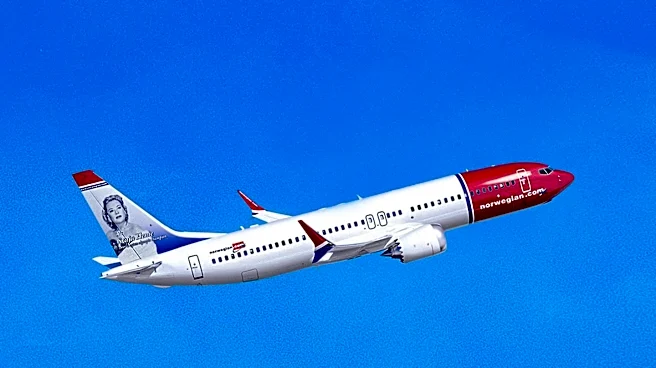
The presence of vortices and their contribution to lift-induced drag have significant implications for aircraft design. Engineers strive to minimize the effects of these vortices to improve the efficiency and performance of aircraft. One common approach is the use of wingtip devices, such as winglets, which help redirect airflow and reduce the strength of the vortices.
Winglets are small, upward-curving extensions at the tips of the wings that help mitigate the effects of vortices. By altering the airflow around the wingtips, winglets can reduce drag and improve fuel efficiency. This design innovation has become a standard feature on many modern aircraft, contributing to more sustainable and cost-effective air travel.
The Future of Vortex Management
As the aviation industry continues to evolve, managing the effects of vortices remains a key focus for researchers and engineers. Advances in computational fluid dynamics and wind tunnel testing have provided valuable insights into the behavior of vortices and their impact on drag. These tools allow for more precise modeling and optimization of wing designs, leading to further reductions in lift-induced drag.
In conclusion, vortices play a crucial role in lift-induced drag, affecting the performance and efficiency of aircraft. By understanding and managing these swirling air patterns, engineers can design more efficient aircraft that consume less fuel and produce fewer emissions. The ongoing study of vortices and their impact on drag will continue to shape the future of aviation.