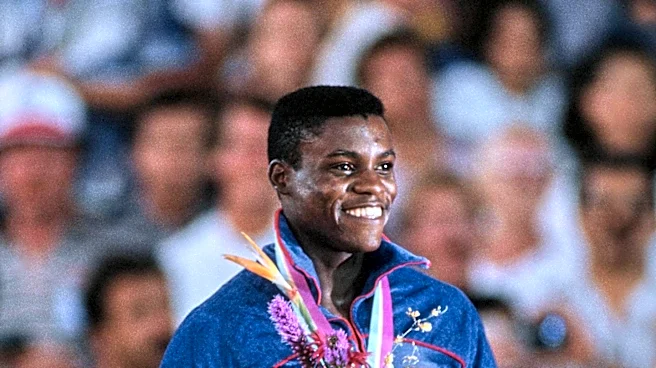

The 1984 Summer Olympics, officially known as the Games of the XXIII Olympiad, were a landmark event held in Los Angeles, California. Taking place from July 28 to August 12, these games were notable for their
scale, the participation of athletes from around the world, and the political backdrop that influenced them. With 140 nations and 6,829 athletes competing in 221 events across 21 sports, the 1984 Olympics were a significant moment in sports history.
The Host City and Venues
Los Angeles, a city known for its vibrant culture and entertainment industry, was the host city for the 1984 Summer Olympics. The main venue for the games was the Los Angeles Memorial Coliseum, a historic stadium that had previously hosted the 1932 Summer Olympics. The choice of Los Angeles as the host city was significant, as it marked the return of the Olympics to the United States after a 52-year hiatus. The city embraced the motto "Play a Part in History," inviting participants and spectators alike to be part of this global event.
The games were opened by then-President Ronald Reagan, adding a touch of national pride to the proceedings. The lighting of the Olympic cauldron by Rafer Johnson, a former decathlon champion, was a memorable moment that symbolized the spirit of the games. The event was not only a showcase of athletic prowess but also a celebration of international unity and cooperation.
Participation and Boycotts
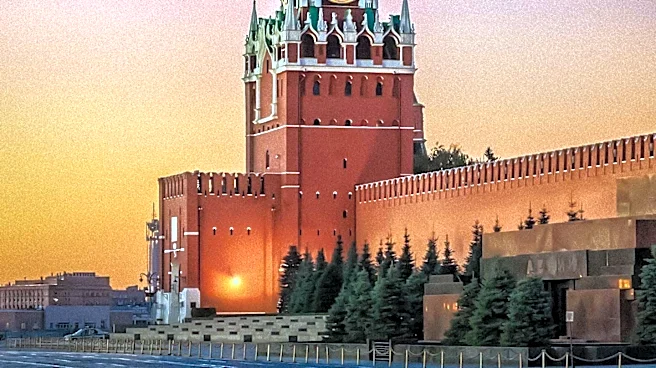
The 1984 Summer Olympics saw participation from 140 nations, with a total of 6,829 athletes competing. However, the games were also marked by a significant boycott led by the Soviet Union. Fifteen countries, including Bulgaria, Mongolia, and Czechoslovakia, participated in the Soviet-led boycott. This political move was a response to the U.S.-led boycott of the 1980 Moscow Olympics, highlighting the ongoing tensions of the Cold War era.
Despite the boycott, the games proceeded with a strong showing from the participating nations. The absence of some Eastern Bloc countries allowed other nations to shine, with the United States winning the most gold and total medals. The games were a testament to the resilience of the Olympic spirit, overcoming political challenges to celebrate athletic achievement.
Legacy and Impact
The 1984 Summer Olympics left a lasting legacy on both Los Angeles and the Olympic movement. Financially, the games were a success, generating a surplus that was used to support youth sports programs in the city. This was a significant achievement, as previous Olympics had often resulted in financial losses for host cities.
The games also set a precedent for future Olympics in terms of commercial sponsorship and media coverage. The use of corporate sponsorships helped to fund the event, while extensive television coverage brought the games to a global audience. This model has since become a standard for subsequent Olympic Games, ensuring their financial viability and broad reach.
Overall, the 1984 Summer Olympics were a pivotal moment in Olympic history, showcasing the power of sports to unite people across political divides and leaving a lasting impact on the city of Los Angeles and the world.