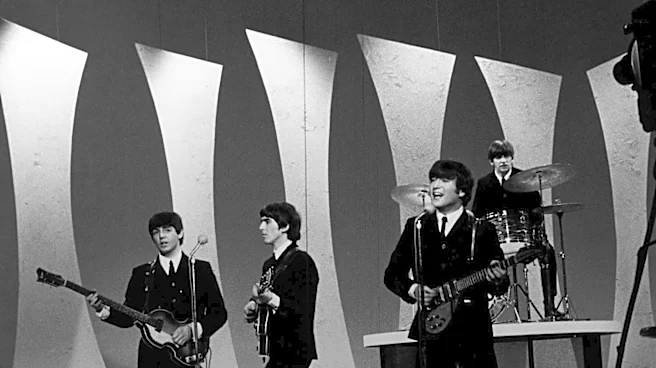










The Ed Sullivan Show, a staple of American television from 1948 to 1971, was more than just a variety program; it was a cultural phenomenon that shaped the entertainment landscape. Hosted by Ed Sullivan, the show introduced countless acts to American audiences, becoming a launching pad for many artists who would go on to achieve legendary status. Its influence extended beyond entertainment, reflecting and shaping societal trends and tastes.
The Rise of a Television Icon
The Ed
Sullivan Show debuted on CBS in 1948, originally titled Toast of the Town. It quickly became a Sunday night tradition for families across the United States. Sullivan, a former newspaper columnist, was not known for his charisma or stage presence, yet his ability to curate a diverse lineup of performers made the show a hit. From opera singers to rock bands, the show featured a wide array of acts, appealing to a broad audience.
Sullivan's knack for spotting talent was evident in his booking choices. He introduced American viewers to international stars and emerging artists, helping to bridge cultural gaps. His show was one of the first to feature African American performers prominently, challenging racial barriers in entertainment. Sullivan's commitment to showcasing talent regardless of race or background was a significant step forward in the fight for equality.
A Platform for Musical Legends
The Ed Sullivan Show is perhaps best remembered for its musical performances. It was the stage where Elvis Presley made his television debut, despite Sullivan's initial reluctance to feature him. The Beatles' appearance in 1964 is another iconic moment, drawing an audience of over 73 million viewers and marking the beginning of the British Invasion in American music.
These performances were not just entertainment; they were cultural events that influenced fashion, music, and youth culture. The show provided a platform for artists to reach a national audience, often leading to skyrocketing record sales and increased popularity. Sullivan's ability to recognize and promote musical talent helped shape the music industry and popular culture.
Legacy and Lasting Impact
The Ed Sullivan Show's impact on television and culture is undeniable. It set the standard for variety shows and influenced the format of future programs. Sullivan's approach to entertainment, blending music, comedy, and novelty acts, created a template that many shows would follow.
Even after its cancellation in 1971, the show's legacy continued. It is remembered as a pioneer in television history, a program that brought diverse entertainment to American homes and helped launch the careers of countless artists. The Ed Sullivan Show remains a symbol of a bygone era, reflecting the cultural shifts and trends of mid-20th century America.