







Phuket, a city nestled in the southeast of Phuket Island, Thailand, serves as the capital of Phuket province. Located 862 kilometers (535.6 miles) south of Bangkok, it is a significant urban center with a rich history and a vibrant, multicultural present. As of 2024, the city municipality alone had a population of 71,284, while the urban population within the entire district of Amphoe Mueang reached 252,515. The broader metropolitan area is home to approximately
430,000 people, reflecting its growth and importance in the region.
Historical Roots and Cultural Tapestry
Phuket stands as one of Thailand's oldest cities, historically serving as a crucial port on the west coast of the Malay Peninsula. This strategic location made it a primary landing point for Chinese immigrants, contributing significantly to the city's diverse heritage. The cultural landscape of Phuket is a rich blend, with Buddhism being the major religion. Buddhist temples within the city are popular attractions for both national and international tourists, showcasing the spiritual depth of the area. Interestingly, despite the prominence of Buddhism, there are more registered mosques in Phuket than there are Buddhist Wats, highlighting the city's religious diversity.
Beyond its religious sites, Phuket's history as a tin-mining country attracted a mix of Siamese, Chinese, Malays, Indians, Eurasians, and sea gypsies. This confluence of cultures led to the formation of unique communities, such as the "Baba" people. The Baba community, characterized by its distinct way of life, language, dress, and food, originated from early unions between Hokkien tin-miners and Siamese women. This distinctive Baba heritage is particularly evident in Phuket's Old Town, which preserves much of this historical character.
Architectural Legacy and Modern Recognition
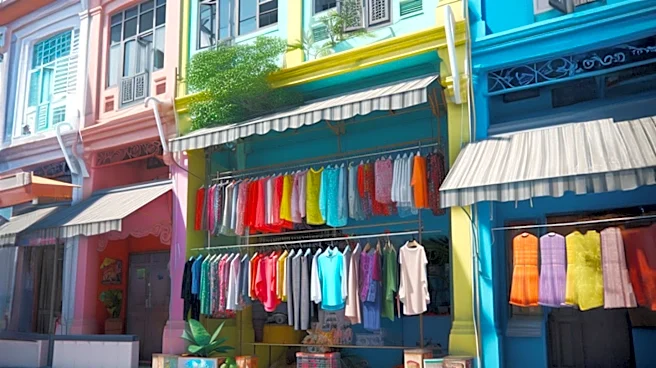
The architectural style of Phuket Old Town is a testament to its past, featuring numerous Sino-Portuguese buildings. European involvement in Phuket's tin trade dates back to the 16th century, with Hokkien Chinese playing a pivotal role in constructing the old part of the city in the 18th century. In the early 20th century, under Governor Phraya Ratsadanupradit Mahitsaraphakdi, major European mining companies were invited, leading to the development of significant public infrastructure like roads and canals. Many Sino-Portuguese style buildings from this era, including shophouses and grand mansions, have been preserved and restored, contributing to the Old Town's unique charm. While the exact date of the first building in this style is unknown, photographs from King Rama V's reign (1853–1910) confirm its well-established presence by then.
In 2004, Phuket was elevated to city status (thesaban nakhon). More recently, in 2015, Phuket was recognized by the Creative Cities Network of UNESCO as a City of Gastronomy, becoming the first city in Southeast Asia to receive this title. This acknowledgment celebrates its unique, multicultural, and historic cuisines, further cementing its place as a city of significant cultural and historical value. As of 2019, the Fine Arts Department and Phuket provincial authorities were preparing a proposal for Phuket Old Town to be listed as a World Heritage Site by UNESCO, underscoring its global historical importance.