
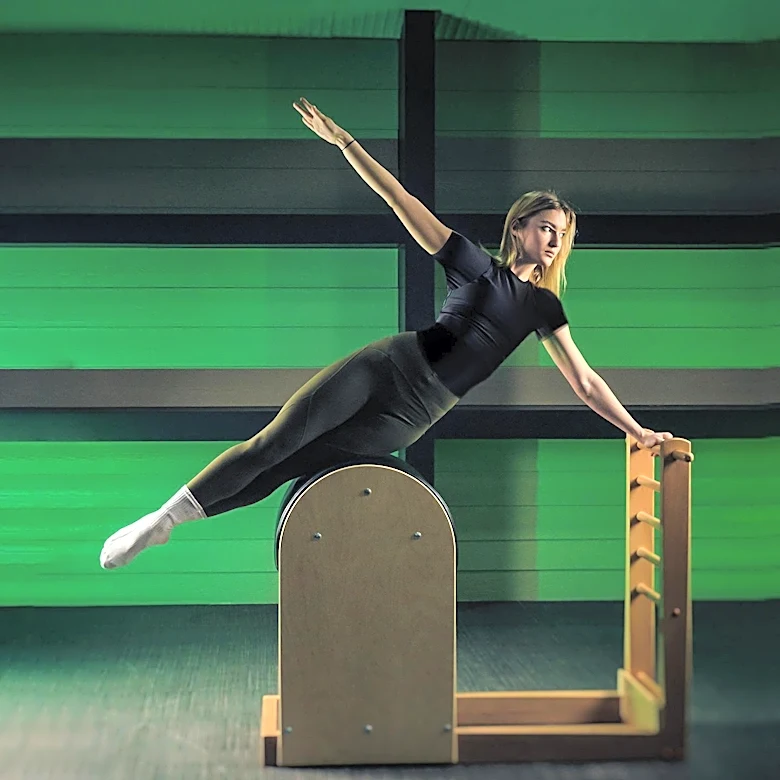






The erector spinae, often referred to as spinal erectors, represent a crucial group of muscles and tendons that play a vital role in human posture and movement. Far from being a single muscle, this complex system extends along the entire length of the spine, from the sacrum and hips up to the base of the skull. These muscles are fundamental for straightening and rotating the back, working in concert with other muscle groups like the glutes to maintain
stable posture whether an individual is standing or sitting. Understanding the intricate structure and function of the erector spinae is key to appreciating its importance in overall spinal health and mobility.
Anatomy and Overall Structure
The erector spinae group is also known as the sacrospinalis group of muscles, a name that hints at its extensive reach. These muscles are positioned on either side of the spinous processes of the vertebrae, traversing the lumbar, thoracic, and cervical regions of the spine. Their broad coverage means they are involved in a wide range of back movements and stability. In the lumbar and thoracic areas, the erector spinae is enveloped by the thoracolumbar fascia, a strong connective tissue, while in the cervical region, it is covered by the nuchal ligament.
The size and structure of this muscular and tendinous mass are not uniform across the vertebral column. In the sacral region, it is notably narrow and pointed, with its origin primarily tendinous. As it ascends into the lumbar region, the erector spinae becomes significantly larger, forming a thick, fleshy mass. Further up the spine, it begins to subdivide into three distinct columns, which gradually decrease in size as they extend upwards to their insertions into the vertebrae and ribs. This variation in form reflects the differing demands placed on the muscles at various spinal levels.
Origins and Attachments
The erector spinae has multiple points of origin and attachment, highlighting its extensive integration with the skeletal system. It is firmly attached to the medial crest of the sacrum, which is a slightly raised feature closer to the midline of the body. Additionally, it connects to the spinous processes of the lumbar and the eleventh and twelfth thoracic vertebrae, as well as the supraspinous ligament. The muscles also attach to the back part of the inner lip of the iliac crests, which form the top border of the hips, and to the lateral crests of the sacrum, where its fibers blend with the sacrotuberous and posterior sacroiliac ligaments. This broad base of attachment provides a strong foundation for its actions.
Interestingly, some of the fibers of the erector spinae are continuous with the fibers that originate from the gluteus maximus, indicating a functional connection between these powerful back and hip muscles. This continuity underscores the integrated nature of the body's muscular system, where different muscle groups work together to achieve complex movements and maintain stability. The extensive origins and insertions allow the erector spinae to exert significant leverage over the vertebral column, enabling its primary actions of extension and rotation.
The Three Columns: Iliocostalis, Longissimus, and Spinalis
In the upper lumbar region, the large fleshy mass of the erector spinae splits into three distinct columns: the lateral iliocostalis, the intermediate longissimus, and the medial spinalis. Each of these columns is further divided into three parts, moving from inferior to superior, reflecting their specific attachments and functions along different sections of the spine.
The iliocostalis column originates from the sacrum, the erector spinae aponeurosis, and the iliac crest. It has three main parts: the iliocostalis lumborum, which inserts into the 12th to 7th ribs; the iliocostalis thoracis, with insertions running from the last 6 ribs to the first 6 ribs; and the iliocostalis cervicis, which extends from the first 6 ribs to the posterior tubercle of the transverse process of C6-C4. The longissimus muscle, the intermediate and largest of the three columns, also has three parts. The longissimus thoracis originates from the sacrum, spinous processes of the lumbar vertebrae, and transverse process of the last thoracic vertebra, inserting into the transverse processes of the lumbar vertebrae, erector spinae aponeurosis, ribs, and costal processes of the thoracic vertebrae. The longissimus cervicis originates from the transverse processes of T6-T1 and inserts into the transverse processes of C7-C2. Finally, the longissimus capitis originates from the transverse processes of T3-T1, passes through C7-C3, and inserts into the mastoid process of the temporal bone. These detailed subdivisions allow for precise control over spinal movement and stability.