



The Second Barbary War, also known as the U.S.-Algerian War, was a brief but pivotal conflict that took place in 1815 between the United States and the North African state of Algiers. This war marked a significant turning point in U.S. naval history, as it not only ended the practice of paying tribute to Algiers but also elevated the United States' military prestige on the global stage. The conflict demonstrated the growing power and resolve of the U.S. Navy,
setting a precedent for future American naval engagements.
The Prelude to Conflict
Piracy along the Barbary Coast of the Mediterranean Sea had been a persistent issue since the 16th century. Algerian pirates and privateers frequently targeted American ships, extracting annual tribute payments from the United States since 1795. The First Barbary War, fought primarily against Algiers' neighbors, failed to resolve the problem. During the War of 1812, Algiers aligned with the British, further complicating U.S. efforts to protect its maritime interests.
In response to continued piracy and tribute demands, President James Madison recommended that Congress declare a state of war with Algiers. Although Congress did not formally declare war, it authorized the president to use the U.S. Navy to protect American commerce and seamen in the Mediterranean. This legislative action set the stage for a decisive military response against Algiers.
Decatur's Bold Campaign
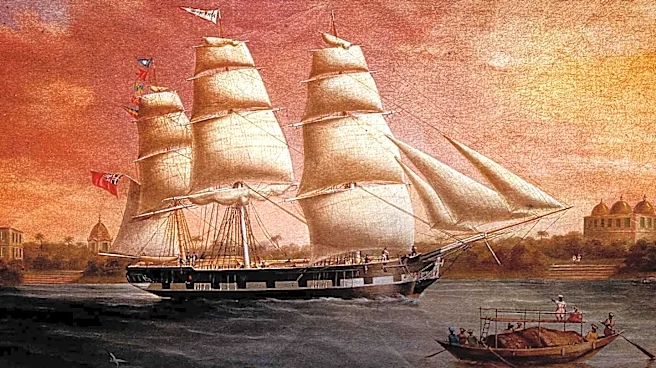
Under the command of Commodore Stephen Decatur, a squadron of ten U.S. ships set sail from New York in May 1815. Decatur's mission was to confront the Algerian navy and force the Dey of Algiers to cease piracy and tribute demands. The squadron quickly achieved success, capturing the Algerian flagship Meshouda in the Battle off Cape Gata and the brig Estedio in the Battle off Cape Palos.
Upon reaching Algiers, Decatur initiated negotiations with the Dey, demanding compensation and threatening destruction. The Dey capitulated, signing a treaty aboard the USS Guerriere on July 3, 1815. The treaty ended tribute payments, secured the release of American captives, and granted the United States full shipping rights in the Mediterranean.
The Aftermath and Legacy
The Second Barbary War had a lasting impact on U.S. naval policy and international relations. The conflict demonstrated the effectiveness of a strong naval presence in protecting American interests abroad. It also marked the decline of piracy in the Mediterranean, as Western nations began building more advanced ships that the Barbary pirates could not match.
The war elevated the United States' military prestige, showcasing its ability to project power beyond its borders. This newfound confidence in naval capabilities would influence future American foreign policy and military engagements. The Second Barbary War thus stands as a crucial moment in the development of the U.S. Navy and its role on the world stage.