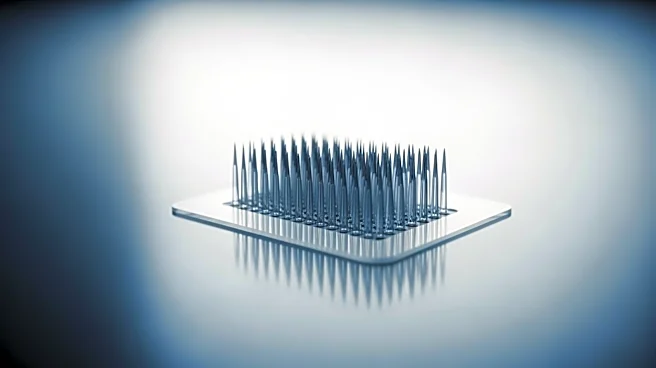









Microneedles have emerged as a groundbreaking technology in the field of drug delivery, offering a minimally invasive and efficient method for administering medications. These tiny needles, capable of penetrating the skin's outermost layer, have opened new possibilities for delivering a wide range of therapeutic agents. This article explores the advantages and applications of microneedles in drug delivery.
Advantages of Microneedle Drug Delivery
One of the primary advantages of microneedles
in drug delivery is their ability to administer medications without causing significant pain or discomfort. Unlike traditional hypodermic needles, microneedles are designed to penetrate only the stratum corneum, the skin's outermost layer, without reaching deeper tissues where nerves are located. This results in a virtually painless experience for patients.
Additionally, microneedles offer a safer alternative to conventional needles by reducing the risk of infection and hazardous waste production. The shallow penetration of microneedles minimizes the chance of introducing pathogens into the body, and their design often eliminates the need for sharps disposal. This makes microneedles an attractive option for both healthcare providers and patients.
Applications in Medical Treatments
Microneedles have been explored for a variety of medical applications, including the delivery of vaccines, insulin, and other pharmaceuticals. Their ability to deliver drugs directly into the systemic circulation allows for rapid absorption and onset of action, making them particularly useful for medications that require fast delivery.
In the case of vaccines, microneedles have shown promise in generating immune responses similar to traditional injections. This has significant implications for vaccination programs, as microneedles could potentially increase vaccine accessibility and acceptance, especially among individuals with needle phobia.
Future Prospects and Innovations
The future of microneedles in drug delivery is promising, with ongoing research focused on enhancing their capabilities and expanding their applications. Innovations such as dissolving microneedles, which are composed of water-soluble materials, offer a convenient, one-step approach to drug delivery. These microneedles dissolve upon insertion, releasing the drug without the need for needle removal.
Furthermore, the potential for microneedles in personalized medicine and point-of-care testing is being actively investigated. As technology advances, microneedles may become an integral part of home-based healthcare, allowing patients to administer medications safely and effectively without the need for frequent hospital visits.
In conclusion, microneedles represent a significant advancement in drug delivery technology, offering a painless, safe, and efficient method for administering medications. As research continues to explore new possibilities, the role of microneedles in healthcare is likely to expand, providing innovative solutions for a wide range of medical needs.