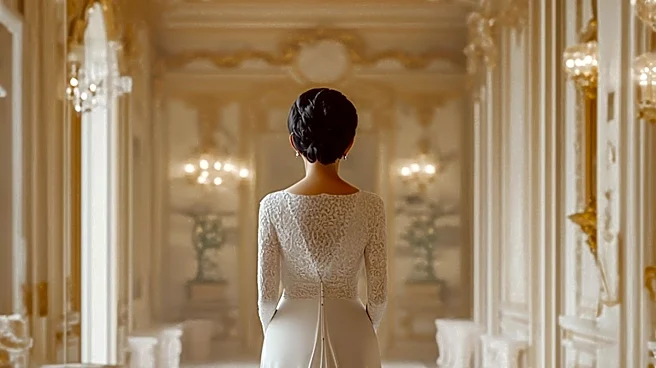

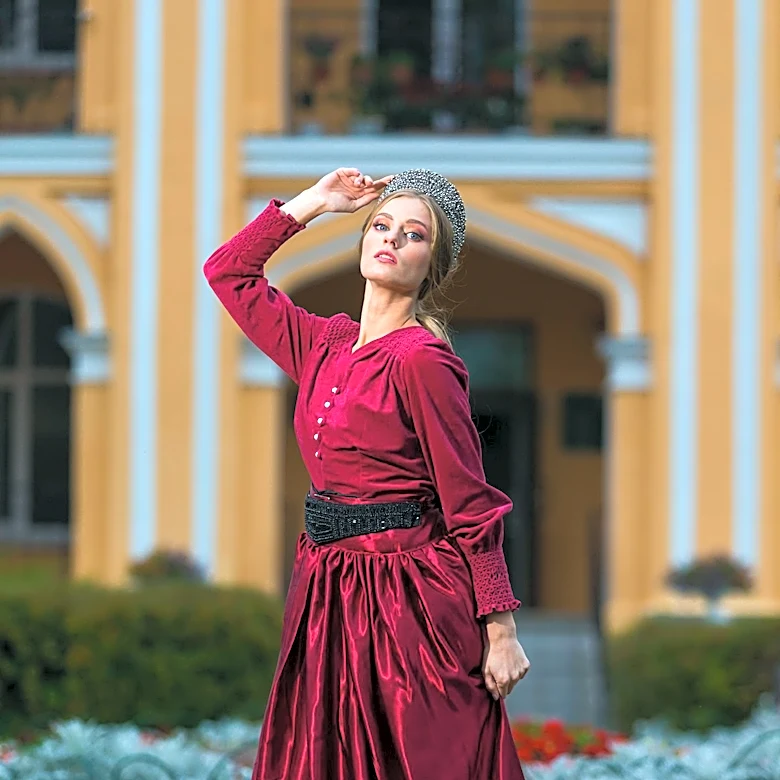






The gown, a garment with roots stretching back to the Early Middle Ages, has undergone a remarkable transformation over centuries. Initially a practical, loose outer garment worn by both men and women across Europe, its purpose and design evolved significantly. What began as everyday attire, providing warmth and modesty, gradually became formalized into specific uniforms for certain professions and ceremonial occasions. This journey highlights how
clothing can reflect societal changes, professional identity, and the enduring power of tradition.
Early Origins and Widespread Use
The term "gown" itself originates from the Latin word "gunna." From the Early Middle Ages until the 17th century, it described a loose outer garment, typically knee-to-full-length, worn by both sexes in Europe. The Anglo-Saxon "gunna," also known as a cote, surcoat, or robe, was a long, loose outer garment worn by women. This widespread use underscores the gown's fundamental role in daily life across various social strata during this period.
By the 12th and 13th centuries, gowns were already part of the academic landscape, worn by students attending early European universities. These early academic gowns, often accompanied by hoods, served to indicate the wearer's status. This early adoption by academic institutions foreshadowed the gown's future as a symbol of learning and achievement.
Shifting Styles and Professional Formalization
From the 14th to the 17th centuries, the term "gown" broadly encompassed any long, loose, robe-like garment. However, its style and social significance began to diversify. In 16th-century Italy, a gown known as a "camora" saw its design change over time, starting with a high waist and low neckline and gradually transitioning to a low-waisted and high-necked style by the end of the century. Italian women also wore an "overgown" called a "vestito" or a "roba," sometimes covered by a fur-lined "robone" for warmth.
By the late 16th century, the general fashion for gowns in Italy waned, except where they served to denote a professional station, such as for bankers or priests. This marked a crucial turning point, as the garment began its shift from common wear to specialized attire. In the 17th century, women's gowns in the American colonies featured trimmings, borders of silk, ribbons, and other decorations, with short gowns becoming common as working and informal clothing. Men in the 18th century also wore a long, loosely fitted gown called a "Banyan" as an informal coat, demonstrating the garment's continued presence in various forms.
Modern Interpretations and Enduring Traditions
Today, the term "gown" refers to several types of garments, including formal or fancy dresses, nightgowns, or dressing gowns. However, its most recognizable traditional forms are found in specific professional and ceremonial contexts. The gowns worn by academics, judges, and some clergy today are direct descendants of the everyday garments worn by their medieval predecessors. These garments were formalized into a uniform during the 16th and 17th centuries, solidifying their role as symbols of authority, learning, and tradition.
In academic settings, for instance, gowns are worn on various formal or ceremonial occasions, most notably graduation ceremonies. These academic gowns, often accompanied by hoods and caps, are distinctive to each institution and signify the wearer's degree and field of study. Similarly, judicial and clerical gowns maintain a visual link to historical practices, underscoring the continuity of these professions. The journey of the gown, from a simple, functional garment to a symbol of status and tradition, illustrates a fascinating aspect of fashion history and its connection to societal structure.