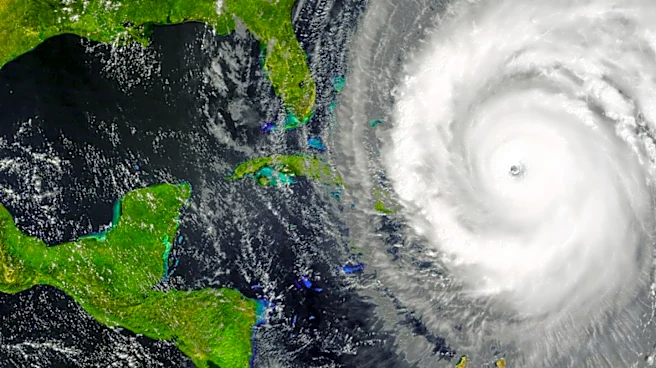




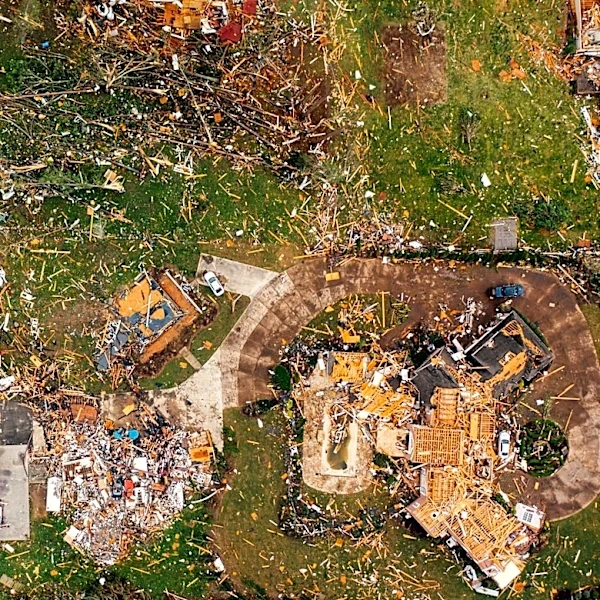



Hurricane Ida, a formidable Atlantic tropical cyclone in 2021, demonstrated an extensive geographical reach, impacting a wide array of regions from its formation in the Caribbean to its dissipation off the coast of Canada. Its journey was marked by distinct phases of impact, each bringing different forms of devastation to the diverse landscapes and populations in its path. This multi-regional assault highlights the far-reaching consequences of powerful
hurricanes, affecting countries and communities thousands of miles apart.
Early Impacts: Venezuela and the Caribbean Nations
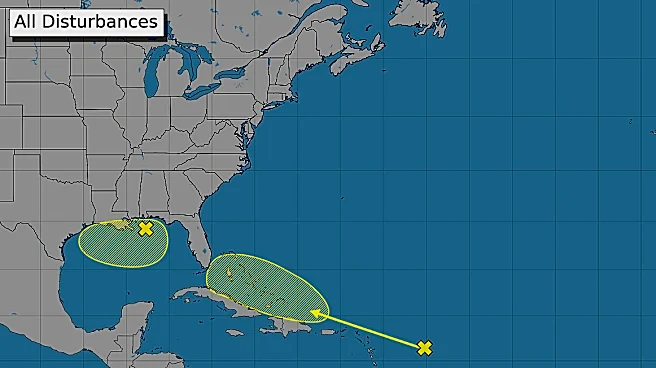
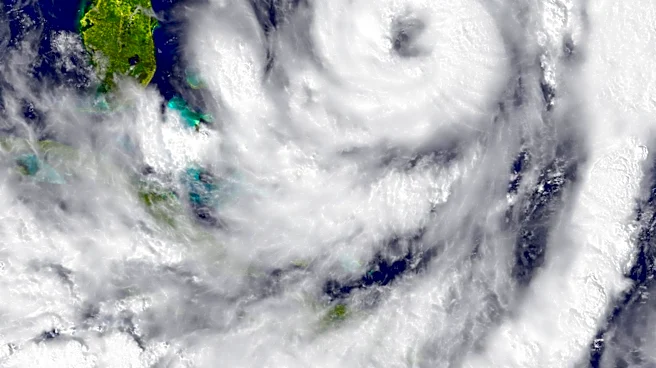
The initial signs of Ida's destructive potential emerged in western Venezuela, where the tropical wave that would later become the hurricane caused significant flooding. This early disturbance was responsible for twenty deaths in the region, primarily due to the severe inundation. As the system organized and intensified, it began to affect Caribbean nations. While still a Category 1 hurricane, Ida moved across Cuba's Isla de la Juventud, bringing strong winds and heavy rainfall. Just hours later, it made a direct strike on mainland Cuba near Pinar del Río, further impacting the island nation.Beyond Cuba, other Caribbean territories were also listed among the areas affected by Hurricane Ida. These included Colombia, Jamaica, and the Cayman Islands. Although the specific details of the impact on each of these nations are not extensively detailed, their inclusion in the list of affected areas indicates that they experienced some degree of influence from the storm, whether through heavy rains, strong winds, or rough seas as Ida traversed the Caribbean basin on its path northward.
Catastrophic Landfall in the U.S. Gulf Coast
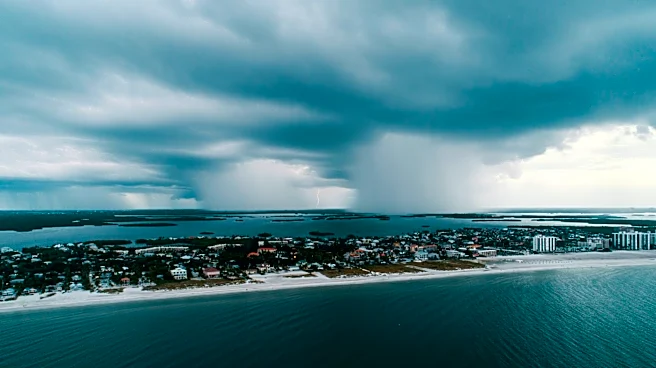
After moving through the Caribbean, Hurricane Ida intensified significantly over the warm waters of the Gulf of Mexico, setting its sights on the United States. Tropical storm or hurricane notices were posted for a vast stretch of the U.S. Gulf Coast, from southeast Texas to northwestern Florida, indicating the broad area under threat. The most severe impact in the U.S. occurred in Louisiana, where Ida made landfall as a powerful hurricane on the night of August 29-30.The storm struck New Orleans with devastating force, leading to a complete loss of electrical power across the entire area. The Gulf Coast of the United States, particularly Louisiana, experienced extensive damage from high winds, storm surge, and heavy rainfall. This region bore the brunt of Ida's peak intensity, resulting in widespread destruction of infrastructure, homes, and businesses, and initiating massive recovery efforts that would last for months.
Northeastern Flooding and Final Dissipation
Even after weakening over land, the remnants of Hurricane Ida continued to cause significant damage as they moved across the eastern United States. In the first days of September, the storm system brought severe weather to the northeastern USA, causing widespread flooding and several deaths. This impact was particularly notable because it occurred far from the initial hurricane landfall, demonstrating how tropical systems can retain destructive power even after losing their tropical characteristics.The extensive flooding in the Northeast led to significant disruption and damage in densely populated areas. Finally, after its long and destructive journey, Hurricane Ida dissipated off the coast of Canada on September 4. Atlantic Canada was also listed as an affected area, indicating that the remnants of the storm had some impact on this region before finally disappearing. This broad geographical sweep, from Venezuela to Canada, underscores the immense scale of Hurricane Ida's influence.