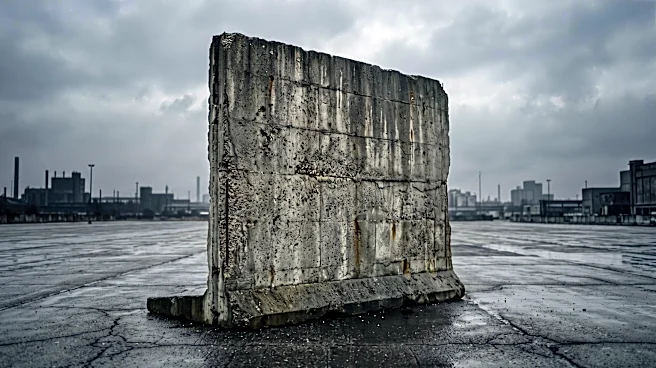





The fall of the Berlin Wall on November 9, 1989, was not an isolated incident but the culmination of deep-seated political and economic instability within East Germany. This pivotal event, which signaled the collapse of the Iron Curtain and the end of communism in Eastern Europe, was preceded by a series of internal shifts and growing public discontent. The weakening grip of the Socialist Unity Party of Germany (SED) and the increasing pressure from
its citizens created an environment ripe for revolutionary change, ultimately leading to the border's opening and the eventual reunification of Germany.
Leadership Changes and Unfulfilled Promises
On October 18, 1989, Erich Honecker, the long-term leader of the Socialist Unity Party of Germany (SED), resigned from his position. He was replaced by Egon Krenz. Honecker's resignation was influenced by his illness and a desire among those who wished to replace him for a "biological solution." However, reports in October indicated that the political and economic situations in East Germany were desperate, creating an urgent need for change. Honecker accepted this reality and named Krenz in his resignation speech, after which the Volkskammer, East Germany's parliament, selected Krenz.
Despite Krenz's initial promise of reform in his first public speech, East Germans quickly accused him of continuing the same policies as his predecessor. This perception fueled widespread protests, with many citizens demanding his resignation. The opposition to the regime persisted, demonstrating that Krenz's claims of reform were not enough to quell the growing unrest and dissatisfaction among the populace. The political shift at the top did little to address the fundamental issues plaguing the country.
Escalating Public Discontent and Border Pressures
As the political situation deteriorated, Krenz made a significant move on November 1, allowing the border with Czechoslovakia to open. This border had previously been locked down to prevent East Germans from entering West Germany via Czechoslovakia. This decision was a response to the increasing pressure from citizens seeking to leave the country. Just three days later, on November 4, the Alexanderplatz demonstration took place, a massive public gathering that further highlighted the widespread demand for change and freedom.
On November 6, the Interior Ministry published a draft of new travel regulations. While these regulations differed from those during the Honecker era, they were criticized for being vague and for making the possibility of using currency uncertain. This draft sparked mass opposition and anger among the people. Walter Momper, the mayor of West Berlin, publicly criticized the draft as "complete trash." Simultaneously, hundreds of refugees continued to cross into West Germany through its embassy in Prague, leading to anger from the Czech authorities who threatened to close their border with East Germany. This external pressure, combined with internal dissent, underscored the regime's inability to control its borders or satisfy its citizens.
Resignations and the Path to Collapse
By November 7, the internal crisis within the SED leadership deepened. Krenz accepted the resignation offered by Prime Minister Willi Stoph and two-thirds of the Politburo members. Despite this significant shake-up, Krenz was re-elected as General Secretary by the Central Committee. However, these internal changes were insufficient to stem the tide of public demand for greater freedoms and an end to the restrictive regime. The political shifts, from Honecker's resignation to Krenz's failed attempts at reform and the subsequent resignations within the Politburo, demonstrated a government in disarray, unable to effectively respond to the mounting crisis. This internal crumbling, coupled with the external pressures of emigration and public protests, set the stage for the dramatic events of November 9, when the Berlin Wall, a symbol of East Germany's control, finally opened.