







The Chicago Public Schools boycott, known as Freedom Day, on October 22, 1963, was a pivotal moment in the fight against segregation in the United States. While it directly targeted the policies of the Chicago Public Schools (CPS), its impact resonated far beyond the city limits. This mass demonstration, which saw over 200,000 students stay out of school and thousands of Chicagoans march to the Board of Education, became a powerful symbol of resistance.
It not only highlighted the deep-seated issues of racial segregation in Northern cities but also inspired subsequent civil rights actions, contributing significantly to the broader movement for equality.
A Precursor to National Protests
Freedom Day in Chicago served as an important precursor to other major civil rights demonstrations across the nation. Notably, it preceded the larger New York City public school boycott, also known as Freedom Day, which took place on February 3, 1964. The success and scale of the Chicago protest demonstrated the potential for mass mobilization in challenging segregationist policies, providing a blueprint and encouragement for activists in other urban centers facing similar issues. This connection underscores the interconnectedness of civil rights struggles in different parts of the country.
The Chicago boycott was a clear signal that the fight for civil rights was not confined to the American South. It brought national attention to the de facto segregation prevalent in Northern school systems, which often resulted from housing patterns and discriminatory practices rather than explicit laws. By organizing such a massive protest, Chicago activists effectively communicated their "dissatisfaction on how schools are being run," as stated by CCCO chairman Lawrence Landry, and forced the issue of educational inequality into the public discourse on a larger scale.
Inspiring Future Activism and Leadership
While Freedom Day did not immediately lead to the integration of Chicago Public Schools or the retirement of Superintendent Willis, its inspirational power was undeniable. The sheer magnitude of the protest, with nearly half of all CPS students participating, demonstrated the collective will of the community to fight for change. This powerful display of unity and determination inspired further boycotts within Chicago itself, showing that the initial event was not an isolated incident but rather the beginning of sustained activism.
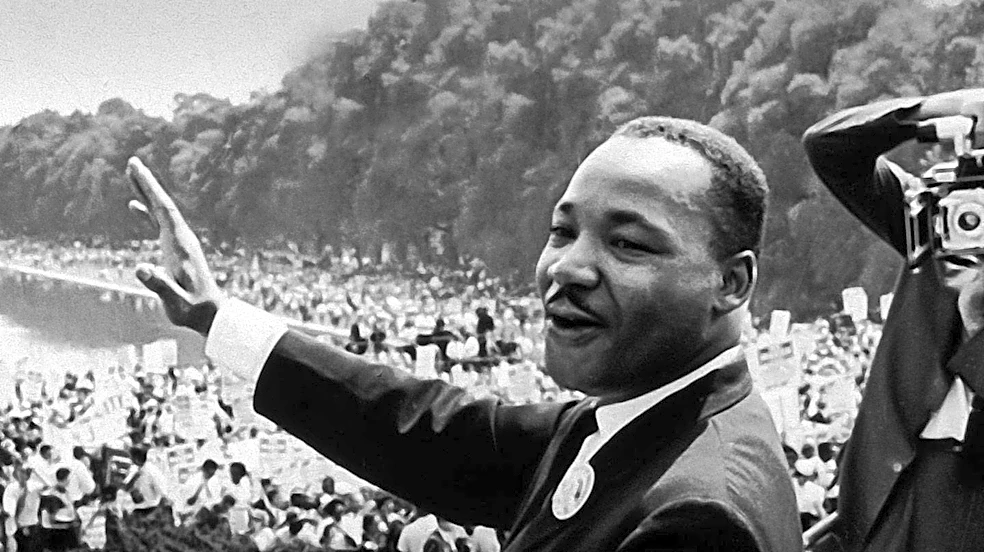
Perhaps one of the most significant long-term impacts of Freedom Day was its influence on national civil rights leaders. The protest is specifically credited with inspiring Reverend Martin Luther King Jr.'s decision to move to Chicago in 1966. King's move marked a strategic shift in the civil rights movement, bringing its focus to the challenges of segregation and inequality in Northern urban environments. This direct link highlights how the Chicago boycott played a crucial role in shaping the direction and leadership of the broader civil rights struggle, extending its legacy far beyond the initial demonstration.