

The 1973 National League Championship Series (NLCS) stands out in baseball history not just for its dramatic outcome, but also for the intense on-field confrontation that marred its third game. This semifinal series pitted the New York Mets against the Cincinnati Reds, a team widely known as the "Big Red Machine" and heavily favored to advance. What unfolded was a five-game battle culminating in one of Major League Baseball's greatest upsets, as the Mets,
despite a regular season record that set a new low for a pennant winner, triumphed over their formidable opponents. The series was a blend of unexpected victories, standout performances, and a memorable brawl that captured national attention.
The Infamous Brawl: Rose vs. Harrelson
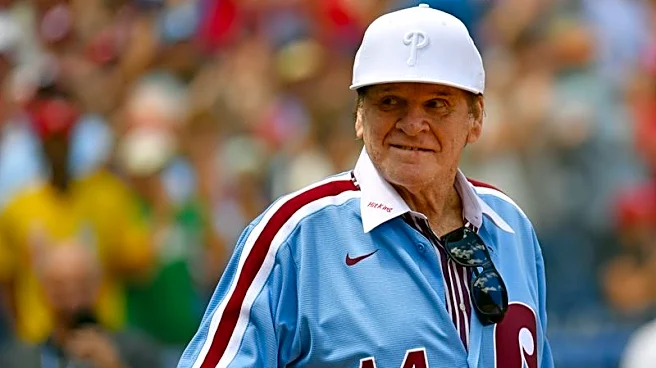
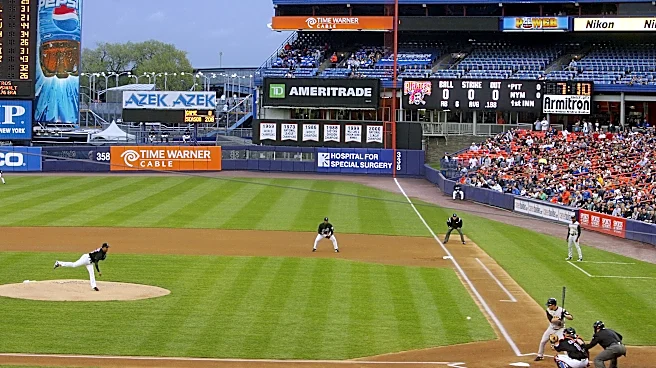
The most talked-about incident of the 1973 NLCS occurred in the fifth inning of Game 3, igniting a general melee that involved players from both the Cincinnati Reds and the New York Mets. The confrontation began at second base between Cincinnati's Pete Rose and New York's shortstop Bud Harrelson. This tussle quickly escalated, drawing players from both dugouts onto the field in a chaotic scene that lasted for several minutes. The fight not only disrupted the game but also incited rowdy fan behavior at Shea Stadium in New York, adding to the already charged atmosphere of the postseason.
Leading up to the brawl, there was already tension between the teams. During pregame warm-ups for Game 3, Reds second baseman Joe Morgan reportedly confronted Harrelson. Morgan informed Harrelson that Pete Rose, who was the 1973 batting champion and eventual National League MVP, was displeased with Harrelson's post-Game 2 comments. Harrelson had apparently been critical of the Reds, rather than giving credit to Mets pitcher Jon Matlack for his performance. This pre-existing friction likely contributed to the intensity of the on-field altercation that later erupted. The images of the fight, capturing the raw emotion and physicality of the moment, have since become iconic, with autographed photographs of Rose and Harrelson from the incident still available online.
The Mets' Improbable Journey to the Pennant
The New York Mets' victory in the 1973 NLCS is widely regarded as one of the greatest upsets in MLB history. The Cincinnati Reds, with their powerful "Big Red Machine" lineup, had posted an impressive 99 victories during the regular season and were considered the overwhelming favorites to return to the World Series. In contrast, the Mets finished the regular season with a modest 82–79 record, setting a new record for the lowest win percentage by a pennant winner. This seemingly improbable run was largely due to a season plagued by injuries to key players.
However, as September approached, the Mets' roster began to get healthy, just in time for the playoffs. This resurgence allowed them to overcome their regular-season struggles and perform at a much higher level in the postseason. Their ability to dominate the heavily favored Reds, who had been expected to make a second consecutive World Series appearance, underscored the unpredictable nature of baseball and the importance of timely performance. The Mets' triumph not only secured their place in the World Series but also cemented their 1973 season as a remarkable underdog story.
Series Highlights and Historical Context
The 1973 NLCS was a hard-fought series that went the full five games, with the Mets ultimately winning three games to two. Game 3, beyond the brawl, saw the Mets score early and often, building a 6–0 lead after just two innings. Rusty Staub was a key offensive force for the Mets in that game, hitting his second home run of the series in the first inning and following up with a three-run shot in the second. The Reds managed to score runs in the third inning with a Denis Menke homer and an RBI single by Joe Morgan.
Historically, the 1973 NLCS was significant for several reasons. It was the fifth National League Championship Series ever played and notably, it was the only NLCS between 1970 and 1980 that did not feature either the Philadelphia Phillies or the Pittsburgh Pirates. During that twelve-year span from 1969 to 1980, the NL East champion was consistently one of three teams: the Mets, Pirates, or Phillies. The Mets' victory in 1973 propelled them to the World Series, where they eventually lost to the Oakland Athletics, who went on to win their second of three consecutive world championships. The series remains a memorable chapter in baseball lore, characterized by its dramatic upset and the unforgettable on-field confrontation.