

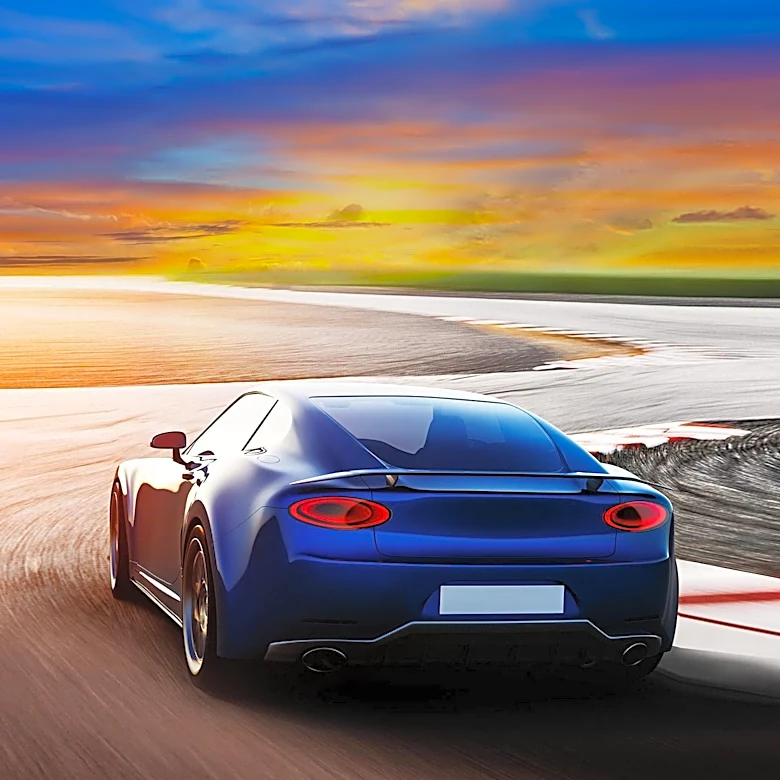




Touring car racing is a motorsport that combines the thrill of competition with the intricacies of technical regulations and vehicle modifications. Featuring production-based cars that are modified for racing, this sport emphasizes close racing and manufacturer diversity. The technical side of touring car racing is a fascinating aspect that ensures both competitive balance and innovation.
Vehicle Modifications and Regulations
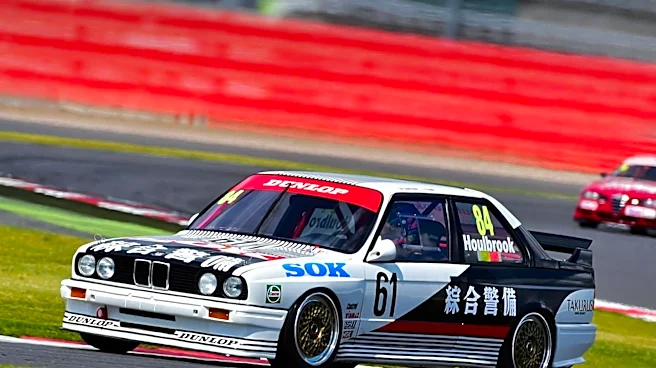
In touring car racing, competitors start with a standard car body,
but virtually every other component can be heavily modified for racing. This includes engines, suspension, brakes, wheels, and tires. Aerodynamic aids are sometimes added to the front and rear of the cars to enhance performance. These modifications are crucial for optimizing the cars' speed, handling, and overall competitiveness on the track.
Regulations in touring car racing are designed to limit costs and keep the racing close. For instance, many series insist on a control tire that all competitors must use, ensuring a level playing field. Additionally, some series use ballast weight, where winning a race requires the winner's car to be heavier for subsequent races. This system helps maintain competitive balance and prevents any single team or manufacturer from dominating the competition.
The Role of the FIA TCR Formula
The FIA TCR formula has played a significant role in standardizing touring car racing across the globe. Introduced to provide a more accessible and cost-effective form of competition, the TCR specification uses front-wheel drive and turbocharged engines. This formula has been widely adopted by numerous series worldwide, allowing for a more standardized and competitive racing environment.
TCR cars retain the bodyshell and suspension layout of the production vehicle, but certain accommodations are made for the stresses of the racetrack. These include upgraded brakes and aerodynamics, ensuring that the cars can withstand the rigors of racing while maintaining their performance. The balance of performance (BoP) adjustments further ensure close racing between different vehicles, making the TCR formula a popular choice for touring car series.
The Impact of Technical Innovations
Technical innovations have always been at the heart of touring car racing, driving the sport forward and enhancing the competition. From the introduction of turbocharged engines to the development of advanced aerodynamics, these innovations have shaped the way touring car racing is conducted today.
As the sport continues to evolve, new technologies and advancements will undoubtedly play a crucial role in its future. The ongoing development of hybrid and electric powertrains, for example, could lead to significant changes in the technical landscape of touring car racing. As teams and manufacturers continue to push the boundaries of what's possible, the technical side of touring car racing will remain a key aspect of its enduring appeal.