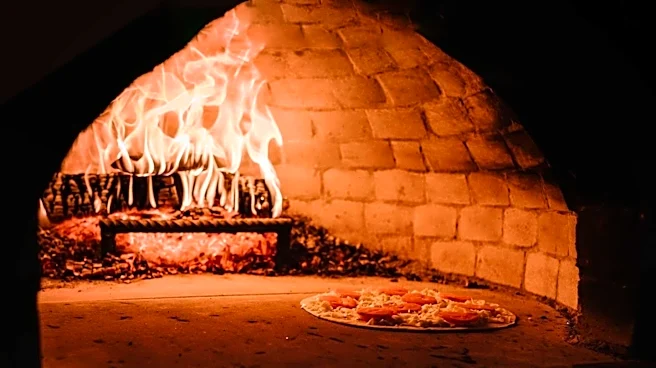

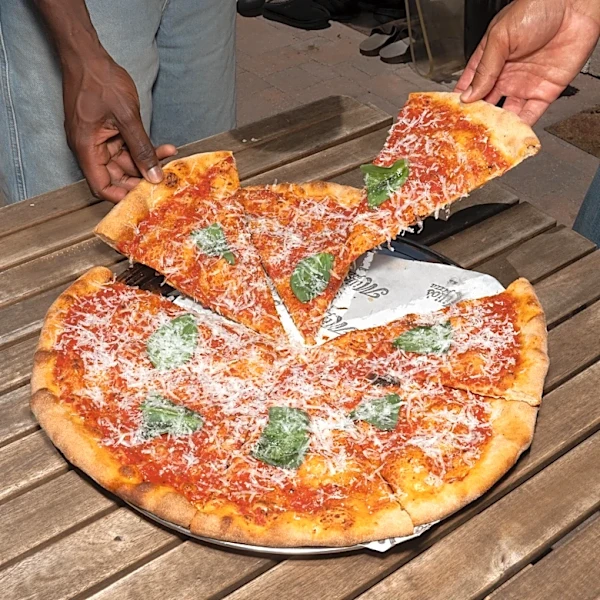

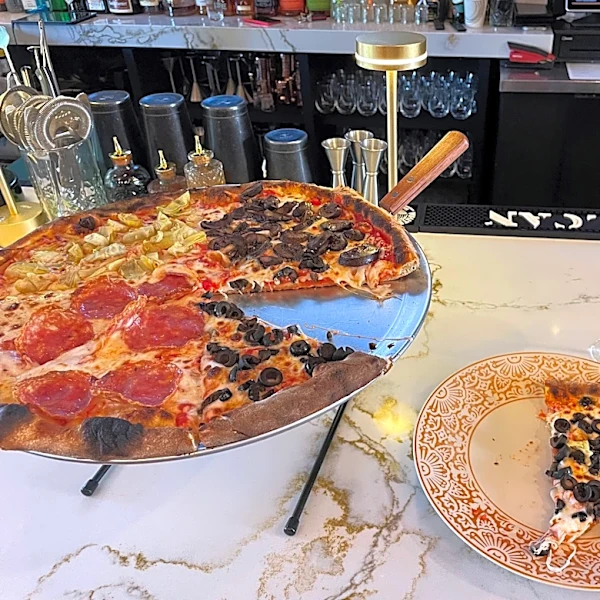






Masonry ovens, often known as brick or stone ovens, represent a cooking technology with roots stretching back to antiquity. These ovens, characterized by a baking chamber constructed from fireproof materials like brick, concrete, stone, clay, or cob, have played a pivotal role in food preparation across diverse cultures for millennia. While traditionally wood-fired, their evolution has seen adaptations to coal, natural gas, and even electricity, demonstrating
their enduring utility. Today, they are closely associated with artisan bread and pizza, but historically, their use encompassed a much broader range of baking tasks.
Ancient Origins and Early Innovations
The history of cooking technologies began with early humans using fire to prepare food, initially through methods like spit-roasting over open flames. Starchy roots and other foods requiring longer cooking times were often buried in hot ashes, sometimes covered with heated stones or more ash. For larger quantities, cooking was carried out in earth ovens, which were pits heated with fire and lined with hot rocks. True masonry ovens, built from materials such as clay, brick, or stone, emerged with the advent of grain agriculture and bread baking. Ancient Egyptian depictions show bakers placing dough on hot stones and covering it with heated clay pots, an early form of enclosed baking. These single-loaf devices gradually evolved into larger ovens capable of baking multiple loaves, with construction methods progressing from simple pits and clay domes to more permanent brick and stone vaults.The classic direct-fired masonry oven, also known as a "black oven" or "Roman oven," dates back to at least the Roman Republic. The term "black oven" refers to the soot deposited on the oven's dome by the internal fire. These ovens were frequently built for communal use; for instance, in France, "banal ovens" were publicly owned and rented out for a fee. Such ovens became common in colonial-era America and continue to be used today in artisanal bakeries, pizzerias, restaurants, and even in home and backyard settings. A later innovation, the "white oven," is fired externally, preventing flame and soot from entering the baking chamber. This design is often integrated into masonry heater systems, and a hybrid design, known in France as the "gueulard," combines features of both internal and external firing.
The Unique Cooking Properties of Masonry Ovens
Masonry ovens remain popular due to their distinct impact on cooking processes and food flavor. Unlike modern gas or electric ovens that cook food by circulating hot air within an insulated, lightweight box, a masonry oven functions by absorbing and retaining heat, much like a battery storing a charge. Once hot, the heavy oven walls release this heat slowly over several hours. This means food is cooked not only by hot air but also by radiant heat from the hot, dense masonry. For bread and pizza, which are often cooked directly on the oven floor without pans, heat is also conducted directly into the food from the hot bricks, contributing to what bakers call "oven spring"—an added rising action in bread.Furthermore, a masonry oven effectively seals in the steam produced by the water in cooking food. This supercharged, steamy atmosphere is crucial for developing a more flavorful and chewy crust, particularly in bread, and also helps keep other foods moist and tender. The combined effect of radiant, conductive, and convected heat also significantly speeds up cooking times. These unique thermodynamic properties contribute to the distinctive taste and texture associated with foods baked in masonry ovens, making them a preferred choice for certain culinary applications.
Simulating Masonry Oven Effects in Modern Kitchens
Recognizing the benefits of masonry ovens, methods have been developed to simulate some of their effects without requiring the construction of a full oven. The most common approach involves using a stoneware pizza stone. This stone absorbs heat while the oven preheats and then transmits it directly to the bottom of the pizza, mimicking the conductive heat of a masonry oven floor. Common firebricks can be arranged on an oven shelf to achieve a similar result. For baking bread and meat, covered ceramic casserole dishes, such as a cloche or a Schlemmertopf, can be used. Cooking bread in a pre-heated Dutch oven with a well-fitting lid also yields good results, replicating the steamy environment of a masonry oven.More expensive options include ceramic or stoneware oven liners that offer many of the benefits of a cloche without limiting the baker to a single pan size. Modern masonry ovens themselves can sometimes differ significantly from traditional forms, with some consisting only of a cast baking deck, similar to a pizza stone, enclosed within a standard oven housing. These are frequently found in commercial kitchens, and smaller, tabletop versions are also available for home use. Even grilling can simulate the radiant heat of a masonry oven, particularly for flatbreads and pizzas, and some recipes for loaf breads are designed for grill cooking, with or without an additional masonry or ceramic heating surface. These innovations allow home cooks and commercial establishments to achieve some of the desirable characteristics of masonry oven cooking without the need for a full-scale traditional build.