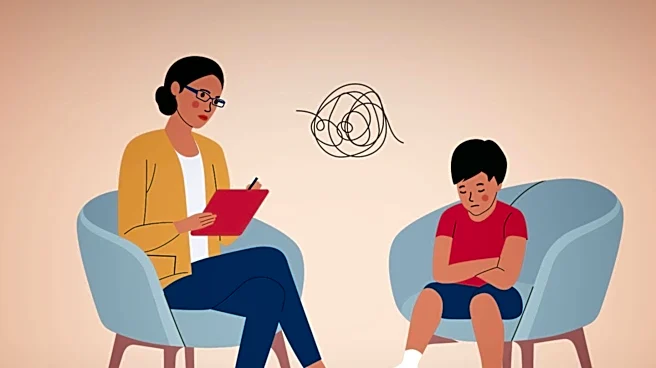







Avoidance coping, characterized by efforts to sidestep stressors rather than confront them, can lead to a range of negative outcomes, including substance abuse and social withdrawal. Recognizing the detrimental impact of this coping mechanism, various therapeutic interventions have been developed to help individuals acknowledge, understand, and ultimately change these patterns. These treatments aim to equip people with healthier strategies for managing
stress and difficult emotions, moving them away from passive avoidance towards more active and constructive engagement.
Psychological therapies play a crucial role in addressing avoidance coping. The goal is often to help individuals process the underlying issues that drive their avoidance behaviors. By providing tools and insights, these therapies empower people to face their challenges directly, fostering emotional resilience and improving overall well-being. The journey involves not just stopping avoidance, but actively replacing it with more adaptive responses.
Cognitive Behavioral and Psychoanalytic Therapies
Two prominent therapeutic approaches used to assist those who cope through avoidance are cognitive behavioral therapy (CBT) and psychoanalytic therapy. Cognitive behavioral therapy focuses on identifying and changing negative thought patterns and behaviors that contribute to avoidance. It helps individuals recognize how their thoughts influence their feelings and actions, and then teaches them techniques to reframe these thoughts and develop more adaptive responses to stressors.
Psychoanalytic therapy, on the other hand, delves into the unconscious mind to explore unresolved conflicts and past experiences that may be fueling avoidance behaviors. This approach aims to bring these hidden dynamics to conscious awareness, allowing individuals to gain insight into the roots of their coping mechanisms. By understanding these deeper origins, patients can begin to process and express emotions that they may have previously suppressed or avoided, leading to more integrated and healthier ways of dealing with difficulties.
Acceptance and Commitment Therapy (ACT)
Another significant behavioral therapy employed in the treatment of avoidance coping is Acceptance and Commitment Therapy (ACT). ACT operates on the principle of breaking down avoidance coping by demonstrating its unhealthiness as a method for dealing with traumatic experiences. Instead of trying to eliminate difficult thoughts and feelings, ACT encourages individuals to accept them as part of their experience.
The therapy then guides individuals to commit to actions that align with their personal values, even in the presence of discomfort. This approach helps people to stop struggling against their internal experiences and instead focus their energy on living a meaningful life. By fostering psychological flexibility, ACT provides a framework for individuals to navigate challenging emotions without resorting to avoidance, thereby promoting more effective and value-driven coping strategies.
Replacing Avoidance with Active Coping
Central to overcoming avoidance coping is the introduction and development of replacement techniques. These techniques fall into two main categories: active-cognitive coping and active-behavioral coping. Active-cognitive coping involves changing one's attitude towards a stressful event. This can include re-evaluating the situation, looking for any positive impacts or lessons learned, and adopting a more optimistic or realistic perspective.
Active-behavioral coping refers to taking positive actions after gathering more information about a situation. This might involve problem-solving, seeking practical support, or engaging in direct efforts to alter the stressful circumstances. Both active-cognitive and active-behavioral strategies empower individuals to engage with their stressors in a constructive manner, fostering resilience and promoting healthier psychological outcomes compared to the passive nature of avoidance coping.