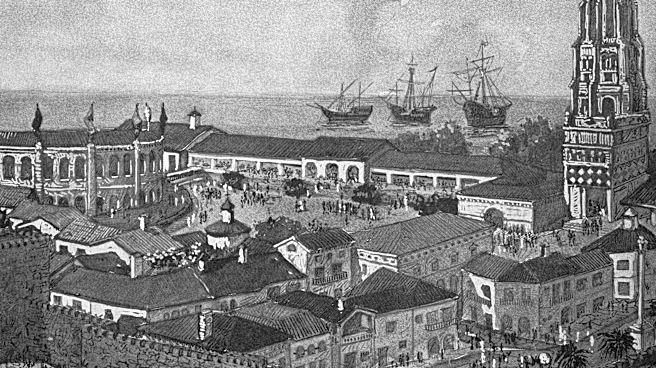







Evacuation Day, observed on November 25, 1783, marks a pivotal moment in American history: the final departure of British forces from New York City. This event symbolized the definitive end of British occupation in the city following the American Revolutionary War, allowing American troops to take control. The day was not merely a military withdrawal but a complex logistical operation involving thousands of people, reflecting the broader implications
of the war's conclusion for both loyalists and newly freed individuals.
The British Withdrawal and Its Complexities
By mid-August 1783, Sir Guy Carleton, the last commander of British Army and Royal Navy forces in what remained of British America, received orders from London to evacuate New York. Carleton informed the President of the Confederation Congress that he was proceeding with the repatriation of refugees, freed slaves, and military personnel as quickly as possible. However, he could not provide a precise date for the final evacuation due to the continuously increasing number of refugees arriving in the city.
This period saw a massive exodus from New York City. More than 29,000 Loyalists were ultimately evacuated. These individuals, who had remained loyal to the British Crown, were transported to various destinations including Nova Scotia, East Florida, the Caribbean, and London. The evacuation also included over 3,000 Black Loyalists, former slaves who had gained their freedom by joining the British side during the war. The British refused to return these individuals to their American enslavers, despite provisions in the Treaty of Paris that might have suggested otherwise. The Black Brigade, composed of Black combatants, was among the last groups to depart, highlighting the significant human element and moral complexities of the British withdrawal.
The Final Moments of British Occupation
Carleton set the final evacuation date for noon on November 25, 1783. The atmosphere in the city was charged with anticipation and defiance. An anecdote from Alexander Anderson recounts a dispute between a British officer and a landlady who dared to display the American flag before the official noon deadline. This small act of defiance underscored the changing power dynamics.
As the British prepared to leave, American troops, commanded by General Henry Knox, were ready to take possession of the city. However, General Washington's entry into the city was delayed by the sight of a British flag still flying. In a final act of defiance, a Union Jack had been nailed to the flagpole at Fort George near the Battery at the southern tip of Manhattan, and the pole had been greased. After several unsuccessful attempts by various men to remove the British colors, wooden cleats were nailed to the pole. A veteran of the army, John Van Arsdale, with the aid of a ladder, managed to climb the pole, tear down the British flag, and replace it with the Stars and Stripes just before the British fleet disappeared from view. This symbolic act cemented the American takeover.
Immediate Aftermath and Symbolic Acts
On the same day as the British evacuation, a liberty pole with a flag was planted near the New Utrecht Reformed Church, a tradition that continues with a similar pole existing today. Another liberty pole was erected in Jamaica, Queens, during a ceremony in December of the same year. These actions were not just practical but deeply symbolic, marking the establishment of American sovereignty and the end of a long and arduous struggle for independence. The raising of the American flag over New York City was a powerful visual declaration that the city, and indeed the nation, was finally free from British rule.