






Wholesaling has played a pivotal role in economic development, particularly during times when manufacturing and retail were still in their infancy. This business model involves selling goods in large quantities at lower prices to retailers, who then sell them to consumers. By acting as intermediaries, wholesalers have historically facilitated the distribution of goods, helping to establish broader market systems and contributing to economic growth.
Historical Significance of Wholesaling
In the early days of economic development, wholesalers were essential in connecting manufacturers with markets. Before the 1850s, wholesale merchants were multipurpose connectors who provided financing, warehousing, information, freight coordination, and risk-taking. They helped bridge the gap between producers and buyers, which was crucial in a time when manufacturing and retail were not as developed as they are today. As transportation and communication improved, wholesaling expanded and became more professionalized, further enhancing its role in economic development.
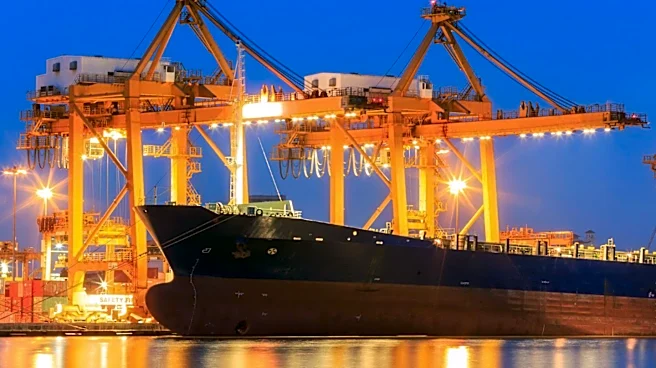
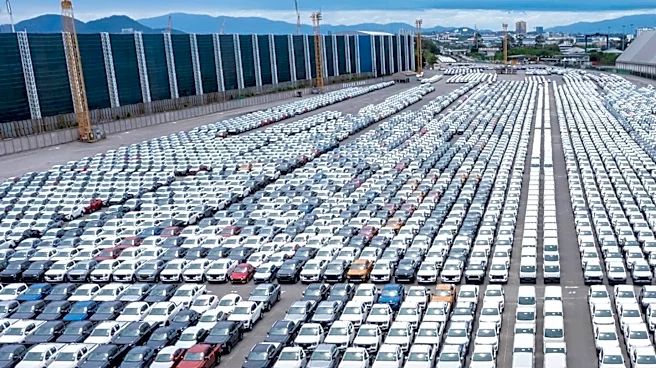
The mid-19th century saw the emergence of national markets, partly due to advancements in telegraph, railroad, and maritime transportation. These developments increased the separation between producers and buyers, creating larger market gaps that wholesalers were well-positioned to fill. As mass production emerged toward the end of the 19th century, producers began to cluster near inputs and transport hubs, widening market gaps even further. Wholesalers adapted to these changes, continuing to play a crucial role in the distribution of goods.
Wholesaling and Market Expansion
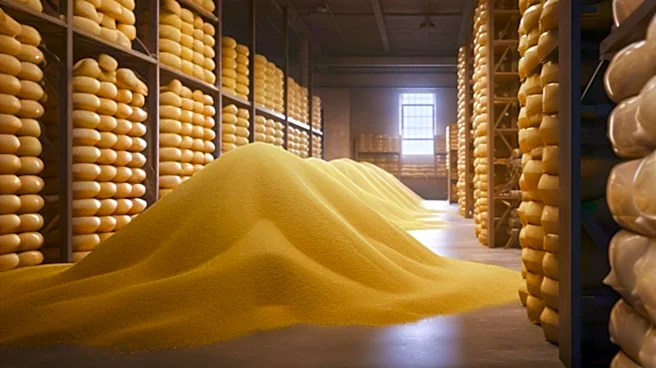
Wholesaling has been instrumental in market expansion by allowing the forces of supply and demand to converge and establish a single price for commodities. This process, known as price formation, is facilitated by wholesalers who perform storage and warehousing functions, enabling economies of scale in the transportation of goods from farm to market. By acting as merchants, brokers, or commission agents, wholesalers help ensure that goods reach their intended markets efficiently.
In recent years, the role of wholesalers has evolved with the growth of supermarkets and direct marketing. Large retailers have increasingly bypassed traditional wholesale systems, creating direct links with producers through contract farming arrangements or preferred suppliers. Despite these changes, wholesalers continue to play a vital role in the marketing of horticultural produce and other goods.
The Future of Wholesaling
As the global economy continues to evolve, the role of wholesaling is likely to change as well. The rise of e-commerce and digital platforms has introduced new challenges and opportunities for wholesalers. While some traditional wholesale markets have been relocated or repurposed, others have adapted by offering new services to supermarkets and the growing hotel and catering sectors. As wholesalers continue to adapt to changing market conditions, their role in economic development remains significant, ensuring the efficient distribution of goods and contributing to market expansion.