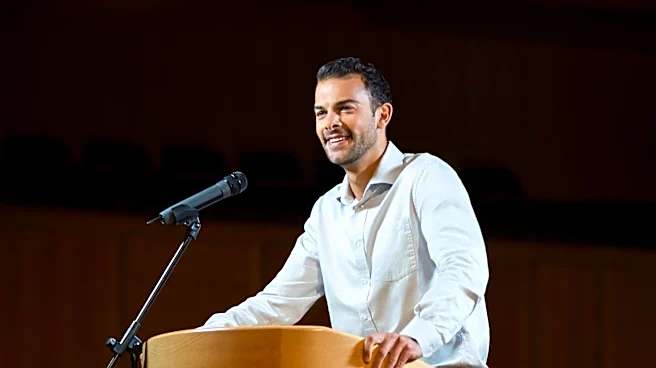










Motivational speaking has a rich history that dates back to the 19th century. This article explores the evolution of this influential practice, tracing its roots from early figures like Ralph Waldo Emerson to contemporary speakers who continue to inspire audiences worldwide. Understanding this history provides valuable context for the techniques and theories that define motivational speaking today.
Early Pioneers of Motivational Speaking
One of the earliest known motivational speakers was
Ralph Waldo Emerson, an American essayist, poet, and philosopher. Emerson's work in the 1800s laid the groundwork for motivational speaking by emphasizing individual potential and self-reliance. His speeches and writings encouraged people to transcend societal limitations and pursue personal growth.
Emerson's influence extended beyond his lifetime, inspiring future generations of speakers. His focus on personal development and the power of the individual became central themes in motivational speaking, shaping the messages delivered by speakers in various contexts.
The Growth of Motivational Speaking
As the 20th century progressed, motivational speaking gained popularity in diverse settings, including schools, corporations, and community organizations. This period saw the emergence of new techniques and theories that enhanced the effectiveness of motivational speeches.
Speakers began to incorporate psychological insights into their presentations, drawing on theories of motivation and behavior. This approach allowed them to connect more deeply with their audiences, addressing both emotional and rational aspects of motivation. The use of storytelling and personal anecdotes also became common, making speeches more relatable and engaging.
Contemporary Motivational Speaking
Today, motivational speaking is a thriving industry with a wide range of practitioners. Notable figures like Tony Robbins and Jim Rohn have become synonymous with the field, known for their dynamic presentations and impactful messages. These speakers continue to build on the legacy of early pioneers, using modern techniques to inspire and motivate audiences.
Contemporary motivational speaking often involves multimedia elements, such as videos and interactive activities, to enhance engagement. The rise of digital platforms has also expanded the reach of motivational speakers, allowing them to connect with global audiences through online seminars and social media.
In conclusion, the evolution of motivational speaking reflects a continuous effort to inspire and empower individuals. From Emerson's philosophical insights to today's multimedia presentations, motivational speaking remains a powerful tool for personal and collective transformation.