





Conflict resolution is a field that has seen significant growth and development over the years, and the Journal of Conflict Resolution has been at the forefront of documenting these changes. Established in 1957, this academic journal has played a crucial role in disseminating research on international conflict and conflict resolution. Over the decades, it has undergone several transformations, reflecting shifts in the academic and practical approaches
to conflict resolution.
Early Years and Establishment
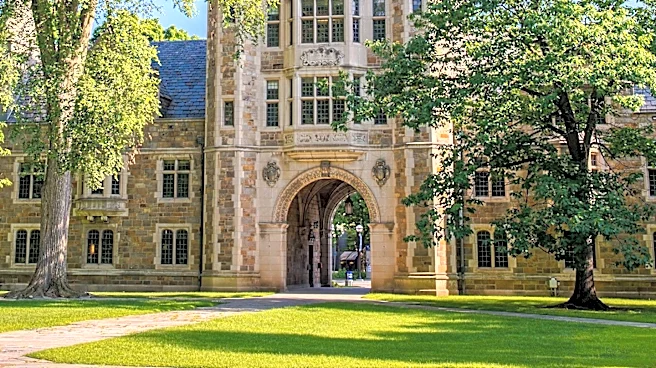
The Journal of Conflict Resolution was founded in 1957, marking a significant milestone in the academic study of conflict resolution. Initially, the journal was managed by the Center for Research on Conflict Resolution at the University of Michigan in Ann Arbor. This period was characterized by a focus on understanding the dynamics of international conflicts and exploring peaceful methods to resolve them. The journal provided a platform for scholars to publish their research, contributing to the growing body of knowledge in the field.
In 1959, the journal's operations were closely tied to the Center for Research on Conflict Resolution, which was instrumental in shaping its early direction. The Center's involvement ensured that the journal maintained a strong academic foundation, attracting contributions from leading researchers in the field. However, the closure of the Center in 1971 due to funding issues led to significant changes in the journal's management and direction.
Transition and Growth
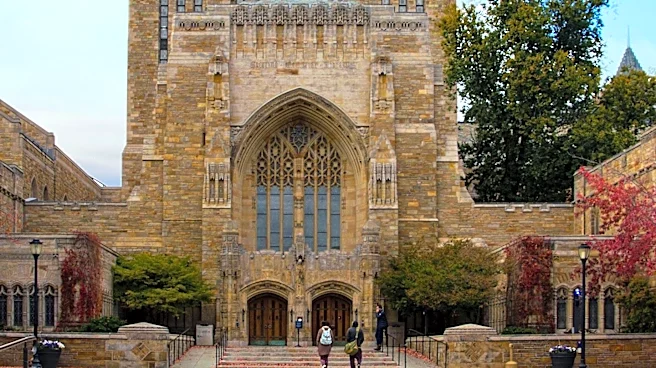
Following the closure of the Center for Research on Conflict Resolution, the Journal of Conflict Resolution found a new home at Yale University. This transition marked a new phase in the journal's history, as it continued to publish influential research on conflict resolution. The move to Yale allowed the journal to expand its reach and influence, attracting a diverse range of contributors and readers.
During this period, Bruce Russett served as a long-time editor-in-chief, guiding the journal through its growth and ensuring the publication of high-quality research. Under his leadership, the journal maintained its reputation as a leading source of academic knowledge on conflict resolution. The journal's association with the Peace Science Society further solidified its position in the academic community, providing a network of scholars dedicated to the study of peace and conflict.
Recent Developments
In 2009, the Journal of Conflict Resolution underwent another significant change with the appointment of Paul Huth as editor-in-chief. This marked the beginning of a new era for the journal, as it continued to adapt to the evolving landscape of conflict resolution research. The journal's management shifted to the University of Maryland, where it remains today.
Under Huth's leadership, the journal has continued to publish cutting-edge research, reflecting the latest developments in the field. The journal's commitment to academic excellence and its role in shaping the discourse on conflict resolution remain as strong as ever. As the field continues to evolve, the Journal of Conflict Resolution stands as a testament to the enduring importance of scholarly research in understanding and resolving conflicts.