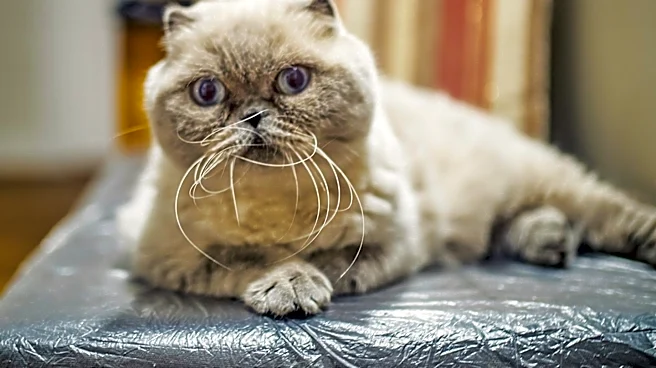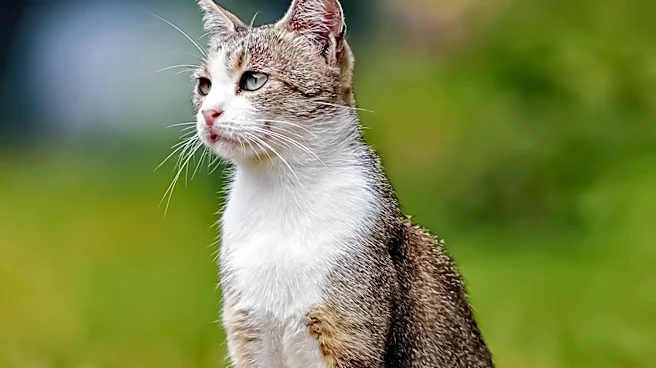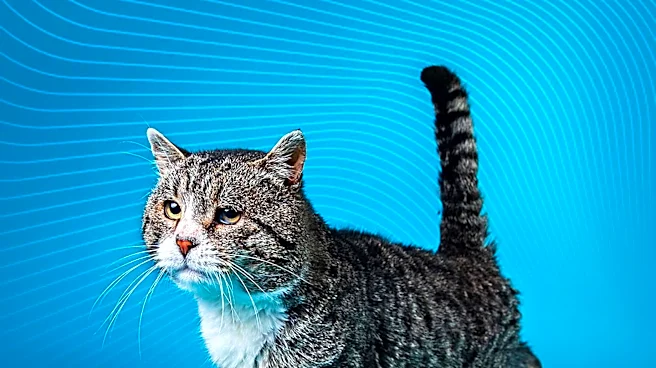






The American Bobtail is a relatively new domestic cat breed, with its development beginning in the late 1960s. This breed is primarily recognized for its distinctive short, "bobbed" tail, which is a result of a spontaneous dominant genetic mutation. While an urban legend once suggested these cats were a hybrid of domestic cats and wild bobcats, the unique tail is purely a domestic genetic trait. The breed's journey from its initial discovery to widespread
recognition by major cat associations highlights a deliberate and careful breeding process aimed at establishing its unique characteristics.
Early Origins and Genetic Foundation
The foundational story of the American Bobtail traces back to a short-tailed brown tabby male named Yodie. This cat was bred with a seal-point Siamese female, establishing the original lineage of the American Bobtail. While many of these early lines have since faded, the genetic blueprint for the breed's defining short tail was set. It's important to note that despite superficial similarities, the American Bobtail is not related to other short-tailed breeds like the Japanese Bobtail or the Kurilian Bobtail. Their breeding programs are entirely separate, and the genetic mutations causing their short tails are different; the American Bobtail's mutation is dominant, whereas the Japanese Bobtail's is recessive.
Evolution of Breed Standards and Appearance
Over time, the genetics of the original American Bobtail's appearance were refined within the breed to create a new and improved variant. This evolution allowed for the breed to encompass all colors and coat types, moving beyond the initial tabby patterns. The breed is known for its robust nature and is available in both short-haired and long-haired varieties. While the "wild" look, particularly tabby patterns, is highly valued in show animals, all eye and coat colors are permitted. The coat itself is more shaggy or silky than dense or fluffy.
International Recognition and Competition
The American Bobtail gained its first official recognition in 1989 from The International Cat Association (TICA), based in the USA. Since then, the breed has been accepted for championship competition by TICA, the Cat Fanciers' Association (CFA), and the American Cat Fanciers Association (ACFA). The Cat Aficionado Association (CAA) in China also technically recognizes the breed, having adopted all ACFA standards, though it is uncertain if any specimens exist in that country. In Germany, the World Cat Federation (WCF) acknowledges the existence of both long-haired and short-haired variants but does not accept the breed for competition and has not established a breed standard within its federation. This demonstrates the varying levels of acceptance and standardization across different international cat organizations.