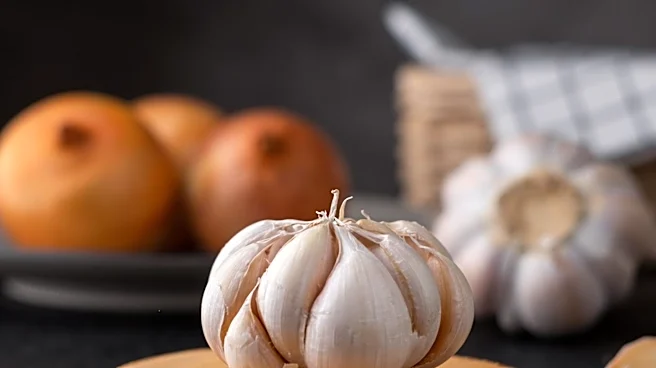








Garlic, scientifically known as Allium sativum, is a fascinating plant that belongs to the onion genus. It is not only a staple in many kitchens but also a plant with intriguing botanical characteristics. This article explores the botanical aspects of garlic and its diverse culinary applications, highlighting its significance in both fields.
Botanical Characteristics of Garlic
Garlic is a bulbous flowering plant that is closely related to onions, shallots, leeks, chives, and other members
of the Allium genus. It is native to Central Asia, northeastern Iran, and the foothills of the Himalayas. Over time, garlic has naturalized in many parts of the world, including Mediterranean Europe and China, due to its adaptability and popularity.
The garlic plant's bulb is the most commonly used part, consisting of numerous fleshy sections called cloves. These cloves are known for their pungent, spicy flavor, which mellows and sweetens when cooked. The distinctive aroma of garlic is primarily due to organosulfur compounds such as allicin, which is present in fresh cloves, and ajoene, which forms when they are crushed or chopped.
Culinary Applications of Garlic
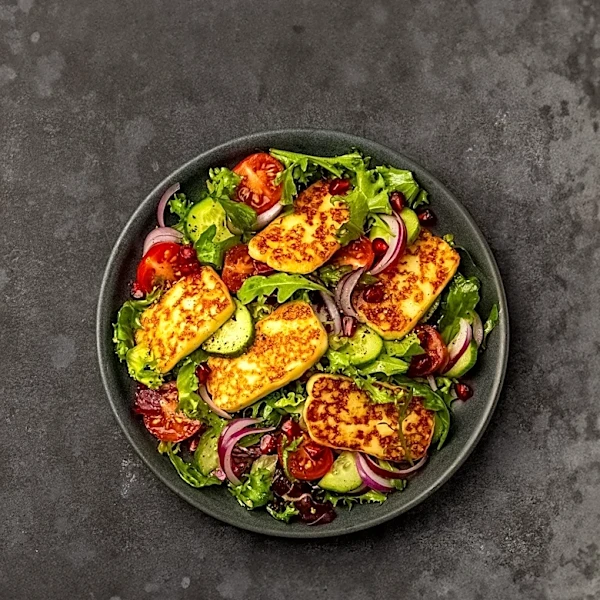
Garlic is widely used in cooking for its unique flavor and aroma. It is a key ingredient in many cuisines, adding depth and complexity to dishes. The cloves can be consumed raw or cooked, with cooking methods significantly affecting their flavor profile. Raw garlic is often used in sauces and dressings, while cooked garlic is a staple in soups, stews, and roasted dishes.
In addition to the cloves, other parts of the garlic plant are also edible. The leaves and flowers, known as bulbils, are milder in flavor and are often consumed while still tender. Green garlic, which is immature garlic harvested before it fully matures, is used in various dishes for its subtle garlic flavor. The scapes, or flower stalks, of hardneck garlic varieties are also edible and are often used in stir-fries or braised like asparagus.
Garlic's Global Culinary Influence
Garlic's influence extends across the globe, with each region incorporating it into their culinary traditions in unique ways. In Middle Eastern and Arabic cuisine, garlic is essential in dishes like toum and hummus. In European cuisine, it is used in classic dishes such as garlic bread and bruschetta. In Asian cuisine, garlic is a key ingredient in stir-fries, soups, and hot pots.
The versatility of garlic in cooking is a testament to its enduring popularity. Its ability to enhance flavors and complement a wide range of ingredients makes it an indispensable component in kitchens worldwide. Whether used for its pungent raw flavor or its sweet, mellow cooked taste, garlic continues to be a culinary marvel.