







Ravioli, a beloved type of stuffed pasta, has a rich history that dates back centuries. Originating in Italy, this dish has become a staple in various cuisines around the world. The journey of ravioli from its early beginnings to its modern-day variations is a fascinating tale of culinary evolution. This article delves into the historical development of ravioli, tracing its roots and exploring how it has been embraced and adapted by different cultures.
Early Beginnings
Ravioli's history can be traced back to the 14th century, where it first appeared in the cookbook "The Forme of Cury" under the name "rauioles." This early mention highlights the dish's longstanding presence in Italian cuisine. During this period, ravioli was typically served in broth or with a sauce, a tradition that continues to this day. The dish was not only popular in Italy but also made its way into the personal letters of Francesco Datini, a merchant from Prato, further indicating its widespread appeal.
In Venice, a mid-14th-century manuscript titled "Libro per cuoco" offered a recipe for ravioli made with green herbs, beaten egg, and fresh cheese, simmered in broth and seasoned with spices. This recipe showcases the early variations of ravioli fillings and the use of spices to enhance its flavor. By the 16th century, ravioli had become well-known in Rome, where it was served with boiled chicken at the papal conclave of 1549, demonstrating its significance in Italian culinary traditions.
Regional Variations
As ravioli spread across Italy, different regions began to develop their own unique versions of the dish. In Rome and Latium, ravioli is traditionally filled with ricotta cheese, spinach, nutmeg, and black pepper. Meanwhile, in Sardinia, the filling includes ricotta and grated lemon rind, offering a citrusy twist to the classic recipe. Campania is known for its round ravioli filled with ricotta, omitting parsley, which is commonly used in other regions.
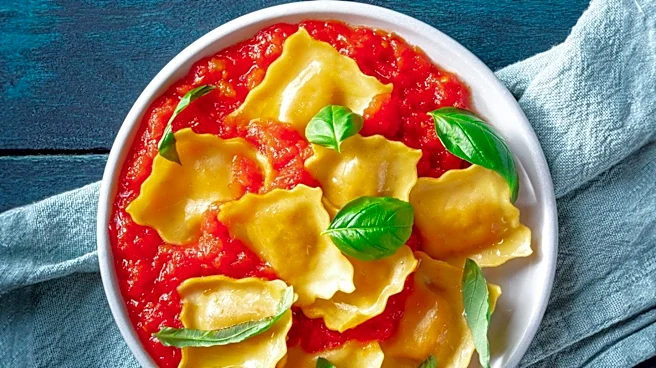
These regional variations highlight the adaptability of ravioli, as local ingredients and flavors are incorporated into the dish. The pasta itself is typically made from water and flour, with eggs sometimes added to enhance its texture. In the summer, ravioli is often enjoyed with a tomato sauce, while in the winter, it is paired with a hearty ragù.
Modern Adaptations
Today, ravioli is not only made by hand but also mass-produced by machines, making it more accessible to people worldwide. This shift in production methods has allowed ravioli to become a popular dish in various cultures, each adding their own twist to the traditional recipe. For instance, in the south of France, ravioli is commonly filled with leftover daube meat, while in Cyprus, it is filled with halloumi and served with chicken stock, grated halloumi, and dried mint.
The evolution of ravioli from a traditional Italian dish to a global culinary favorite is a testament to its versatility and enduring appeal. Whether enjoyed in its classic form or with modern adaptations, ravioli continues to delight food lovers around the world with its rich history and diverse flavors.