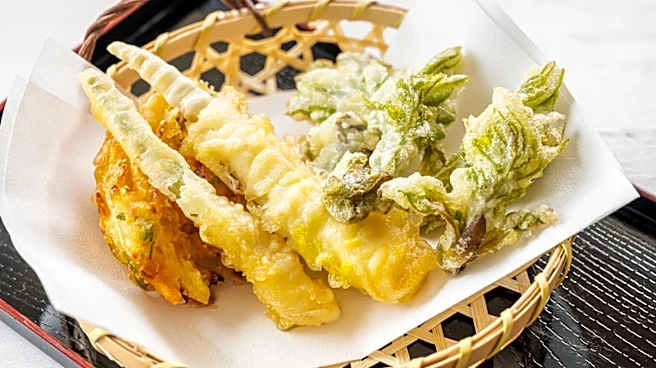





Tempura is a beloved Japanese dish known for its light, crispy texture and flavorful ingredients. Its origins, however, are not native to Japan. Tempura was introduced in the 16th century by Portuguese missionaries who brought the Western cooking method of coating foods with flour and frying them. This article explores the historical journey of tempura from its inception to its integration into Japanese cuisine.
The Introduction of Tempura to Japan
The story of tempura begins with Portuguese
Jesuits who arrived in Japan during the Nanban trade period. These missionaries introduced the technique of frying foods in batter, a method that was unfamiliar to the Japanese at the time. The term "tempura" itself is derived from the Latin word "tempora," which refers to times or periods, specifically the Ember Days when Catholics abstained from meat and consumed fish and vegetables instead. This connection to religious observance highlights the cultural exchange that occurred during this period.
As the Portuguese influence spread, the Japanese began to adapt the frying technique to their own culinary traditions. The concept of coating seafood and vegetables in batter and frying them was embraced, leading to the creation of tempura as we know it today. Despite the expulsion of missionaries and foreigners from Japan, the culinary practice persisted, becoming a staple in Japanese cuisine.
Tempura's Integration into Japanese Cuisine
Tempura quickly became popular in Japan, particularly in the Edo period, when it was sold as a street food. The dish was often prepared in small food carts known as yatai, where it was served hot and fresh to customers. This accessibility contributed to its widespread popularity and integration into everyday Japanese dining.
The preparation of tempura evolved over time, with chefs experimenting with different ingredients and techniques. The batter, traditionally made with iced water, eggs, and soft wheat flour, was mixed lightly to maintain its airy texture. This method ensured that the tempura remained crisp and fluffy when fried. The dish was often served with tentsuyu sauce, a blend of dashi, mirin, and soy sauce, or simply sprinkled with salt.
Modern Tempura and Its Variations
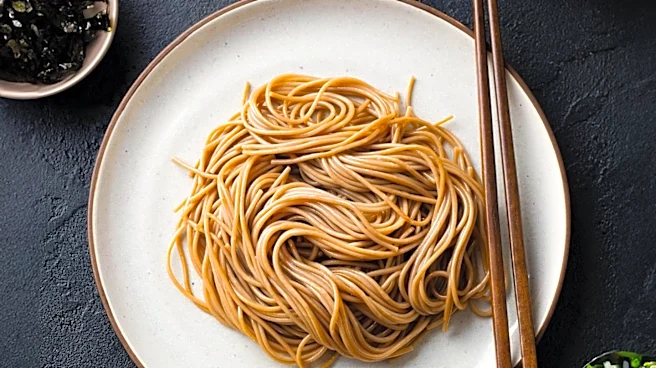
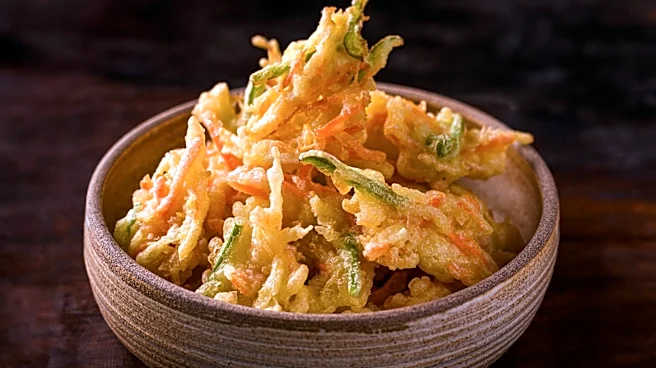
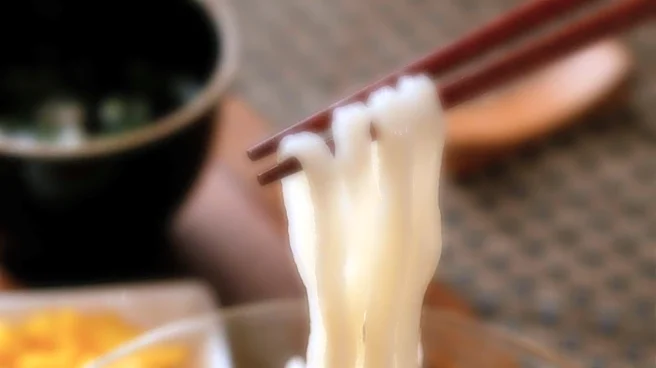
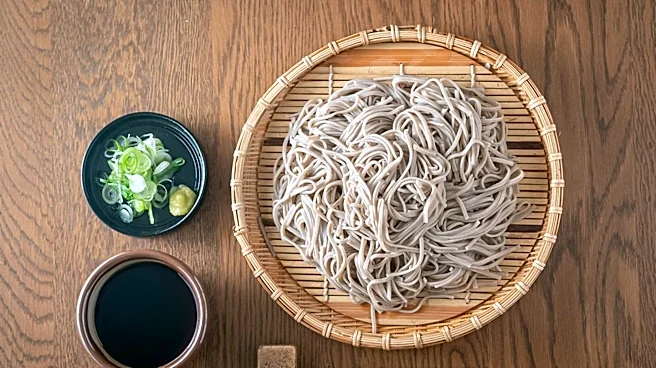
Today, tempura is a versatile dish that can be found in various forms across Japan. It is commonly served with soba or udon noodles, adding a delightful crunch to the meal. Variations such as kakiage, which includes mixed vegetable strips and sometimes seafood, showcase the adaptability of tempura.
Tempura has also influenced other culinary practices, with its frying technique being applied to different ingredients, including meats and cheeses. Despite these modern adaptations, the essence of tempura remains rooted in its historical origins, reflecting the enduring impact of cultural exchange on Japanese cuisine.