





Harry Belafonte was not only a celebrated entertainer but also a formidable political activist, using his platform to advocate for social justice and challenge U.S. foreign policy. His activism extended beyond domestic civil rights issues, encompassing a global perspective that saw him engage with international leaders and movements. Belafonte's willingness to speak out, even when controversial, defined a significant part of his public life, making
him a powerful voice for change on the world stage.
His political statements on U.S. foreign policy began in the early 1980s, marking him as a consistent critic of what he perceived as unjust or unilateral actions. He openly opposed the U.S. embargo on Cuba, praised Soviet peace initiatives, and criticized the U.S. invasion of Grenada, which he viewed as a violation of international law. Belafonte also honored the Abraham Lincoln Brigade and Ethel and Julius Rosenberg, and expressed admiration for Fidel Castro, demonstrating a consistent stance against what he saw as imperialistic or oppressive policies.
Engaging with Cuba and Hip-Hop Diplomacy
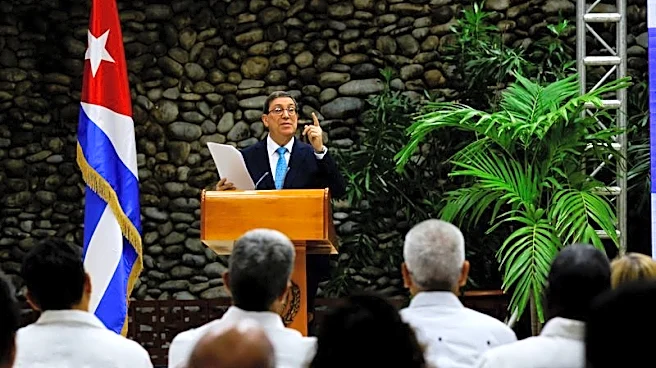
Belafonte's engagement with Cuba is a notable example of his international diplomacy. In 1999, he visited the country and met with representatives of the rap community immediately before a meeting with Fidel Castro. This interaction proved significant, as it led to Castro's personal approval and subsequent government involvement in integrating rap into Cuba's culture. Belafonte reflected on this meeting's impact, noting that a few years later, members of the Cuban hip-hop community thanked him profusely, explaining that his conversation with Castro and the Minister of Culture had resulted in a special division within the ministry and their own studio.This episode highlights Belafonte's unique ability to bridge cultural divides and influence policy through his personal connections and advocacy. His efforts helped to legitimize and support an emerging art form in Cuba, demonstrating the power of cultural exchange in fostering understanding and development.
Anti-Apartheid Movement and Global Advocacy
Belafonte was also deeply active in the Anti-Apartheid Movement. In 1987, he served as the master of ceremonies at a reception honoring African National Congress President Oliver Tambo in New York City. This event, held by the American Committee on Africa (ACOA) and The Africa Fund, underscored his commitment to the struggle against racial segregation in South Africa. His involvement as a board member of the TransAfrica Forum and the Institute for Policy Studies further solidified his role as a global advocate for human rights and social justice.His outspoken nature continued into the 21st century, particularly concerning the George W. Bush administration. Belafonte gained widespread attention for his critical comments about Bush, his administration, and the Iraq War. In 2002, he controversially used a slavery-era analogy to characterize former Secretaries of State Colin Powell and Condoleezza Rice, suggesting they served the "master's dictates." While these remarks drew strong responses from Powell and Rice, Belafonte remained unyielding in his criticism.