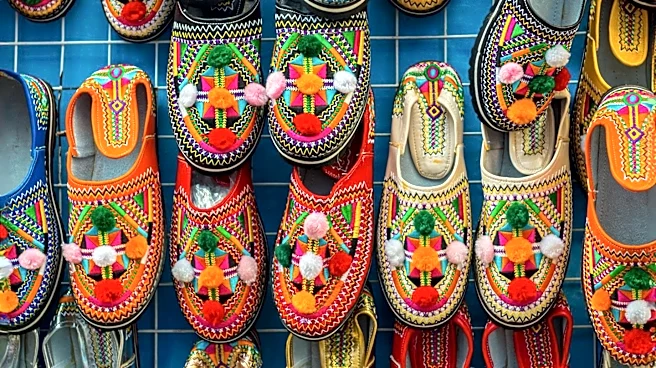










Slippers, those light shoes worn indoors for comfort and cleanliness, boast a surprisingly rich and extensive history that spans millennia and continents. Far from being a modern invention, the concept of indoor footwear designed for ease and warmth has been a part of human culture since ancient times. Tracing their origins reveals not just a practical item, but also a canvas for cultural expression, status, and even artistic skill.
Early Origins and Global Diversity
The recorded history
of slippers stretches back to antiquity, with some of the earliest examples found in China dating from 4700 BCE. These ancient Chinese slippers were crafted from materials like cotton or woven rush and often featured leather linings. They were not merely functional; they were also adorned with symbols of power, such as dragons, indicating their significance beyond simple footwear. This early development highlights how slippers were intertwined with cultural identity and social standing.
Across different cultures, similar forms of indoor footwear emerged with unique characteristics. Native Americans, for instance, wore highly decorative moccasins. These moccasins were often embellished with beadwork and fringing, depicting nature scenes. Their soft, sure-footed design made them ideal for indoor use, providing both comfort and a connection to their environment. Similarly, the Inuit and Aleut people developed specialized indoor shoes made from smoked hare-hide, designed to protect their feet from the frozen ground inside their homes, showcasing an adaptation to harsh climates.
Western Introduction and Victorian Elegance
While slippers have an ancient global history, their recorded presence in the West can be traced to 1478, with the English word "slipper" appearing around that time. English speakers also used related terms like "pantofles" and "slip-shoes" or "slipshoes." The introduction of designs like the baboosh into the West was influenced by a fascination with Orientalism, bringing new styles and aesthetics to European indoor footwear.
During the Victorian era, slippers became a practical necessity and a fashionable accessory. Victorian people needed such shoes to keep the dust and gravel from outside their homes from being tracked indoors. For Victorian ladies, slippers offered a unique opportunity to display their needlepoint skills. They would often use intricate embroidery as decoration, transforming a functional item into a personal work of art and a statement of domestic accomplishment. This period solidified the slipper's role as a comfortable yet elegant indoor shoe.
Modern Interpretations and Regional Names
Today, slippers continue to evolve in design and material, maintaining their core purpose of providing comfort and protection indoors. They come in various forms, from open-heel and closed slippers to slipper boots and sandal slippers. The term "slippers" itself has also taken on regional meanings. In Hawaii and many Caribbean islands, for example, "slippers" or "slippahs" are used to describe flip-flops, indicating a broader application of the term in warmer climates.
In the American South, the term "house shoes" is commonly used to refer to indoor footwear, further illustrating the diverse nomenclature for this ubiquitous item. The enduring presence of slippers, from ancient ceremonial wear to modern-day comfort items, underscores their timeless appeal and adaptability across different cultures and historical periods.