


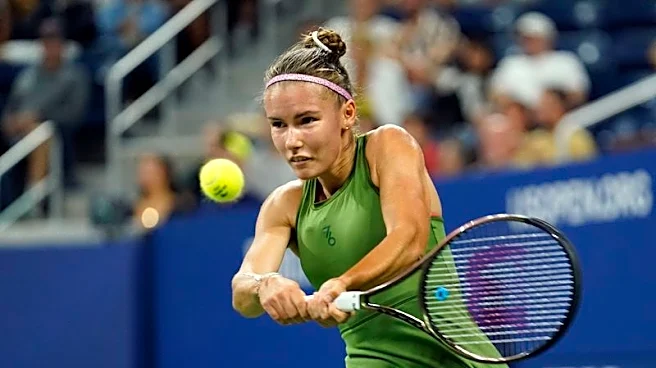
Monica Seles, a prominent figure in professional tennis, made a significant return to the sport in August 1995. Her comeback was marked by an immediate victory at the Canadian Open, where she impressively won the tournament without dropping a single set. This initial success signaled a powerful re-entry into the competitive world of professional tennis, following a period away from the tour.
Her return was not without its challenges, as she faced both
physical hurdles and personal tragedies in the years that followed. Despite these obstacles, Seles continued to compete at a high level, demonstrating remarkable resilience throughout her career. Her journey back to the court and the subsequent phases of her career offer a compelling narrative of determination in the face of adversity.
The Initial Comeback and Early Success
Seles' first tournament back, the 1995 Canadian Open, saw her defeat Amanda Coetzer in the final, securing a triumphant start to her return. The momentum continued into the US Open that same year, where she advanced to a highly anticipated final against Steffi Graf. Although Seles ultimately lost this close match, the high-quality, emotionally charged contest showcased her enduring talent and competitive spirit.Following the US Open, however, Seles encountered injury problems. Overexertion in her left knee and foot forced her to withdraw from planned appearances in Oakland and the WTA Championships, temporarily halting the continuation of her remarkable comeback. These early setbacks highlighted the physical demands of professional tennis and the difficulties of returning to peak form after a break.
Navigating Injuries and Personal Loss
From 1996 to 1998, Seles faced chronic injury issues and the profound personal loss of her father in the spring of 1998, which repeatedly impacted her career. Despite these challenges, she achieved a significant milestone at the 1996 Australian Open. After winning a preparatory tournament in Sydney against Lindsay Davenport, Seles went on to claim her ninth Grand Slam title in Melbourne. This victory marked her fourth consecutive undefeated appearance at the Australian Open, where she remained unbeaten for 33 matches in a row, breaking a 73-year-old record held by tennis legend Suzanne Lenglen.Her success in 1996 briefly saw her return to the top ten of the world rankings. However, a shoulder inflammation led to another injury break, lasting until late May. Upon her return to the French Open, her first appearance there since an attack she experienced, Seles reached the quarterfinals. She also secured her first title on grass at a Wimbledon preparatory tournament in Eastbourne. Later that year, she reached the US Open final again, where she was defeated by Steffi Graf. The subsequent years continued to be a mix of highs and lows, marked by further injuries and the emotional toll of her father's illness and passing.
The Later Years and Official Retirement
The period from 1999 to 2007 was characterized by a series of highs and lows for Seles, with tournament victories interspersed with lengthy injury breaks. Her last tournament win occurred in May 2002 at the Madrid Open, marking her 53rd career title. Seles' final appearance on the professional tour was at the French Open in 2003, where she lost in the first round. Persistent back and foot problems ultimately led to her withdrawal from the tour.For several years, Seles expressed a desire for another comeback, with speculation about her return often surfacing. In December 2007, she mentioned that Lindsay Davenport's successful return to the tour had inspired her to consider a limited comeback, focusing on Grand Slam tournaments and major warm-up events. However, on February 14, 2008, Monica Seles officially announced her retirement from professional tennis. In January 2009, her illustrious career was further recognized with her election to the International Tennis Hall of Fame.