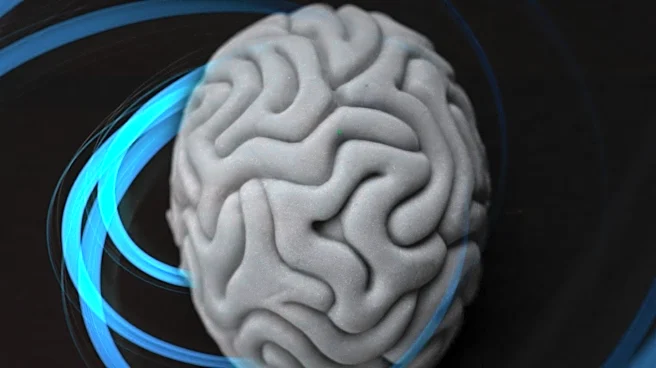








Gray matter is a crucial component of the central nervous system, playing a significant role in various brain functions. It consists of neuronal cell bodies, neuropil, glial cells, synapses, and capillaries. Unlike white matter, which is primarily composed of myelinated axons, gray matter contains numerous cell bodies and relatively few myelinated axons. This article delves into the composition and function of gray matter, highlighting its importance
in the brain and spinal cord.
Composition of Gray Matter
Gray matter is primarily made up of neuronal cell bodies, which are essential for processing information in the brain. These cell bodies, also known as somas, are responsible for maintaining the neuron's health and functionality. In addition to neuronal cell bodies, gray matter contains neuropil, which consists of dendrites and unmyelinated axons. These structures facilitate communication between neurons, allowing for the transmission of signals throughout the central nervous system.
Glial cells, including astrocytes and oligodendrocytes, are also present in gray matter. Astrocytes provide structural support and maintain the chemical environment around neurons, while oligodendrocytes produce myelin, which insulates axons in white matter. Although gray matter contains fewer myelinated axons, the presence of these glial cells is crucial for maintaining the overall health and functionality of the central nervous system.
Distribution of Gray Matter
Gray matter is distributed throughout the brain and spinal cord, with its presence being most prominent at the surface of the cerebral hemispheres and cerebellum. In the brain, gray matter forms the cerebral cortex, which is responsible for higher cognitive functions such as decision-making, memory, and sensory perception. The cerebellar cortex, another area rich in gray matter, plays a vital role in motor control and coordination.
In addition to its presence at the surface of the brain, gray matter is also found in the depths of the cerebrum, including structures such as the thalamus, hypothalamus, and basal ganglia. These regions are involved in various functions, including emotion regulation, hormone production, and movement control. In the spinal cord, gray matter forms the gray columns, which are responsible for processing sensory and motor information.
Function of Gray Matter
Gray matter is essential for various brain functions, including muscle control, sensory perception, and cognitive processes. The neuronal cell bodies within gray matter are responsible for processing and integrating information, allowing for the execution of complex tasks such as decision-making and problem-solving. Additionally, gray matter plays a crucial role in sensory perception, enabling the brain to interpret and respond to external stimuli.
The presence of gray matter in the spinal cord is vital for the transmission of sensory and motor signals between the brain and the rest of the body. The gray columns within the spinal cord contain interneurons and projection neurons, which facilitate communication between different regions of the central nervous system. This intricate network of neurons and synapses allows for the coordination of movement and the processing of sensory information, highlighting the importance of gray matter in maintaining overall brain function.