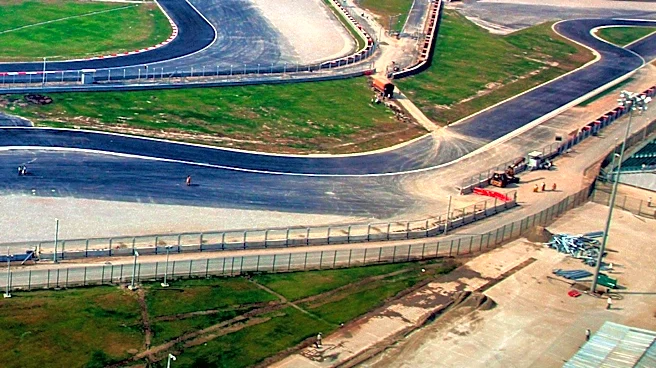




The Buddh International Circuit, located in Jaypee Sports City, Greater Noida, Uttar Pradesh, India, stands as a testament to ambitious sporting infrastructure that ultimately faced significant challenges. Inaugurated on October 18, 2011, this 5.125 km motor racing circuit was designed by the renowned German racetrack architect Hermann Tilke. It quickly gained international recognition as the host of the annual Formula One Indian Grand Prix, with
its inaugural race taking place in October 2011. However, despite its state-of-the-art design and initial success, the circuit's journey was marked by financial disputes and political decisions that led to the suspension and eventual cancellation of its premier event.
Conception and Inauguration of a World-Class Track
The idea for an Indian Grand Prix began to solidify in 2007 when a tentative agreement was reached between the Indian Olympic Association and Bernie Ecclestone, then chief-executive of the Formula One Group. Greater Noida, in Uttar Pradesh, was selected as the site for this ambitious project. The design of the track, initially known as the Jaypee Group Circuit after its owners, was unveiled in November 2009, promising a challenging and modern racing experience.
Construction was initially slated for completion by the 2010 Formula One season, but delays pushed the inaugural race to the following year. These delays were partly attributed to the ongoing financial crisis and issues in land procurement. Despite these early hurdles, the circuit was officially opened in late 2011, ready to host its first Formula One event. The track's name, Buddh International Circuit, shares its nomenclature with Gautama Buddha, reflecting a connection to the district's identity.
The Brief Era of Formula One Glory
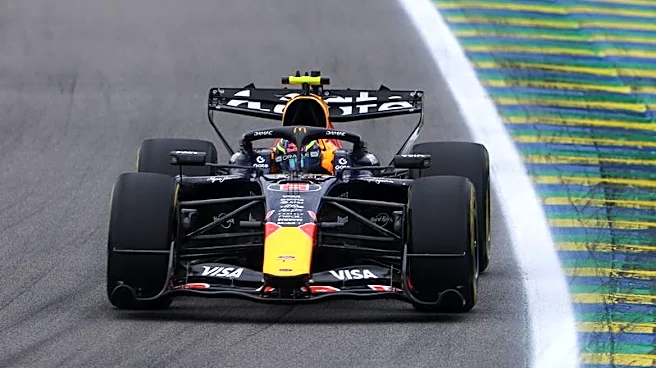
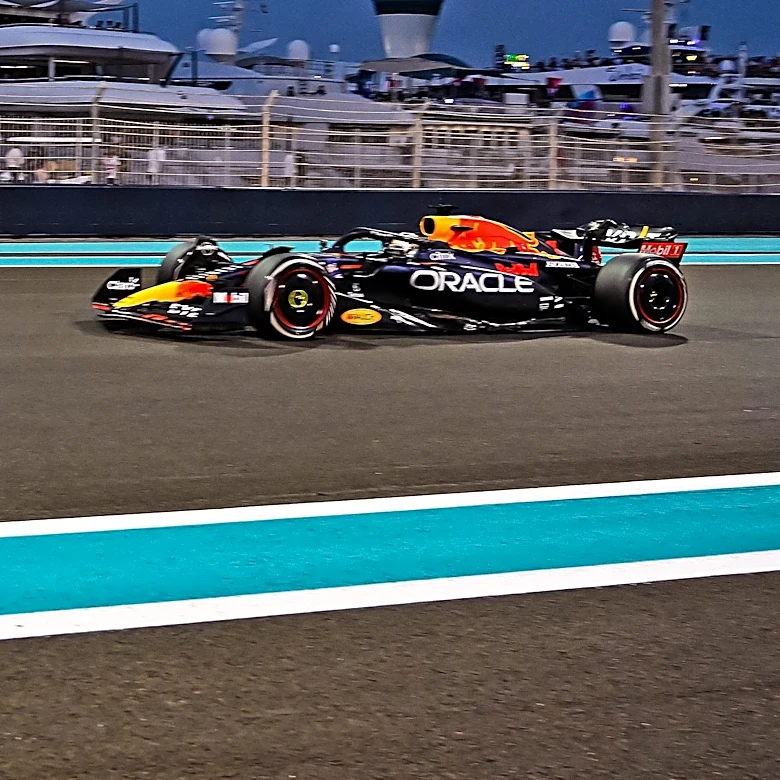
The first Indian Grand Prix at the Buddh International Circuit took place on October 30, 2011, after a rescheduling from December due to conflicts with the Bahrain Grand Prix. This inaugural race was a significant event, won by Red Bull Racing's Sebastian Vettel, who also secured pole position and set the fastest lap, establishing a race lap record that would stand for the subsequent two Grands Prix.
The circuit continued to host Formula One races in 2012 and 2013. In 2012, Sebastian Vettel once again dominated, taking pole, leading every lap, and winning the race, with McLaren's Jenson Button setting the fastest lap. The 2013 Indian Grand Prix, the sixteenth race of a nineteen-race season, saw Vettel secure his fourth consecutive Formula One World Drivers' Championship at the circuit, with Red Bull also clinching its fourth consecutive Constructors' Championship. Lotus' Kimi Räikkönen set the fastest lap in what would be the last Formula One race held at the venue.
The Shadow of Taxation and Suspension
Despite the on-track success, the future of the Indian Grand Prix at the Buddh International Circuit became uncertain. The track was not included in the 2014 Formula One season calendar. One stated reason was the proposed rescheduling of the Indian Grand Prix to March for 2014, which was deemed impractical following an October 2013 race. More significantly, contractual and taxation issues led to its exclusion from the 2015 season as well.
The roots of these disputes trace back to 2009, when the Indian Ministry of Youth Affairs and Sports denied JPSK Sports, the promoters, permission to remit $36.5 million in licensing fees to Formula One administration. The then Chief Minister of Uttar Pradesh, Akhilesh Yadav, classified Formula One as entertainment rather than a sport, questioning its impact on sports development in the country. Consequently, customs fees for imported components like engines and tires were not waived, and tax exemptions typically granted to other sports were withheld from the organizers. These financial burdens and the ongoing tax dispute with the Government of Uttar Pradesh ultimately led to the suspension and cancellation of the Grand Prix, leaving the Buddh International Circuit without its flagship international event.
Post-Formula One Era and Lingering Challenges
Following the departure of Formula One, the Buddh International Circuit struggled to attract other major international events. A GT1 World Championship round scheduled for December 2012 was canceled, and a Superbike World Championship round planned for four seasons starting in 2013 was also called off due to operational charges. The owners faced significant financial losses, reportedly writing off at least $25 million, as they were unable to recover their investments from the three seasons of Formula One races.
Despite these financial difficulties and the absence of major international events from 2014 to 2026, with the exception of the Asia Road Racing Championship in 2016, the owners expressed a desire in 2016 not to sell the circuit. The Buddh International Circuit has continued to host smaller local racing series, such as the JK Tyre National Racing Championship, which includes open-wheel and motorcycle racing, as well as open track days, maintaining a presence in the Indian motorsport scene despite its past international glory.