


The journey to Olympic glory for the 1960 United States men's basketball team began not in Rome, but in Denver, Colorado, where the rigorous and highly competitive Olympic trials were held. These trials, conducted in March and April of 1960 at the Denver Coliseum, were more than just a selection process; they were a battleground for the nation's top basketball talent and a reflection of the internal power struggles within American basketball organizations.
The unique format and the political climate surrounding the trials ultimately shaped the composition of the gold medal-winning team.
A Tournament of Champions and All-Stars
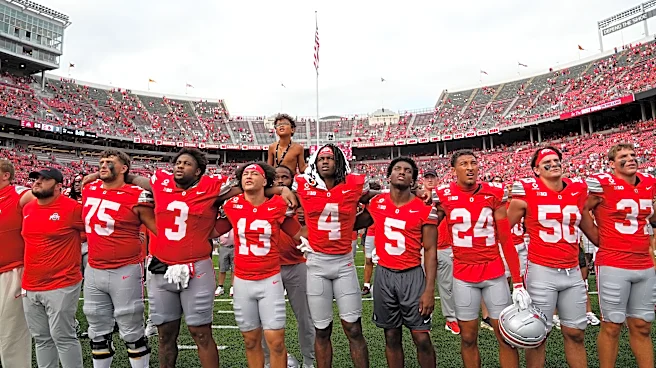
The trials were structured as an eight-team tournament, designed to pit the best of collegiate and amateur basketball against each other. This format ensured a high level of competition and provided a comprehensive evaluation of potential Olympic candidates. Among the formidable teams participating were the reigning NCAA National Champions, the Ohio State Buckeyes, who brought their championship pedigree to the trials. Another prominent entry was a team of NCAA All-Stars, featuring some of the most celebrated collegiate players of the era, including future basketball icons Jerry West and Oscar Robertson. Their presence alone signaled the elite nature of the competition.
Beyond the NCAA powerhouses, the tournament also included an NAIA All-Star team, representing another tier of collegiate basketball talent, and the AAU Champions, the Peoria Caterpillar Cats. The inclusion of both NCAA and AAU teams underscored the broader context of the trials, as these two organizations were significant forces in American amateur basketball. The NCAA All-Stars ultimately emerged victorious from this intense competition, demonstrating their collective strength and individual brilliance. Following their convincing win, Pete Newell was appointed as the team's head coach, with Warren Womble serving as his assistant, tasked with leading the selected players to the Olympics.
The AAU-NCAA Truce and Roster Composition
The 1960 Olympic trials occurred during a period of significant tension between the Amateur Athletic Union (AAU) and the National Collegiate Athletic Association (NCAA). Both organizations were actively vying for control and influence over USA Basketball, particularly concerning the selection and management of national teams. The composition of the 1960 Olympic roster was a direct outcome of this uneasy truce, representing a compromise between the two powerful entities.
The final team was a blend of talent from both collegiate and amateur ranks. It comprised seven collegiate stars, showcasing the NCAA's influence, alongside four players from the AAU, acknowledging their role in developing top-tier athletes. Additionally, one representative from the U.S. Armed Forces, guard Adrian Smith, was included, further diversifying the team's background. This carefully balanced approach, while politically expedient, meant that some highly talented college players were notably absent from the final roster. Among those left off were Ohio State's John Havlicek and Providence guard Lenny Wilkens, both of whom would go on to have distinguished careers. The compromise, though perhaps leaving out some deserving individuals, ultimately forged a team that would achieve unparalleled success on the international stage, demonstrating that a unified, albeit negotiated, effort could lead to gold.