








Eugene O'Neill's only well-known comedy, "Ah, Wilderness!", which premiered on Broadway in 1933, quickly found its way to the silver screen. In 1935, Metro-Goldwyn-Mayer released a film adaptation directed by Clarence Brown, bringing the heartwarming story of the Miller family to a wider audience. This cinematic version, starring notable actors like Wallace Beery, Lionel Barrymore, and Aline MacMahon, aimed to capture the essence of O'Neill's sentimental
tale of youthful indiscretion and family life in turn-of-the-century America.
Key Players and Production Details
The 1935 film adaptation of "Ah, Wilderness!" was a significant production for Metro-Goldwyn-Mayer. Clarence Brown not only directed the film but also served as a producer alongside Hunt Stromberg. The screenplay was adapted from O'Neill's original play by Albert Hackett and Frances Goodrich, tasked with translating the stage narrative into a compelling cinematic experience. The film featured a strong cast, with Wallace Beery, Lionel Barrymore, and Aline MacMahon taking on prominent roles. Eric Linden also starred, playing the role of Richard Miller, the central character.Behind the scenes, Clyde De Vinna was responsible for the cinematography, capturing the visual aesthetic of the New England setting. Frank E. Hull handled the editing, while Herbert Stothart and Edward Ward composed the music, contributing to the film's overall atmosphere. The film had a running time of 98 minutes and was distributed by Loew's Inc., reaching audiences across the United States following its release on December 6, 1935.
On-Location Filming and Union Challenges
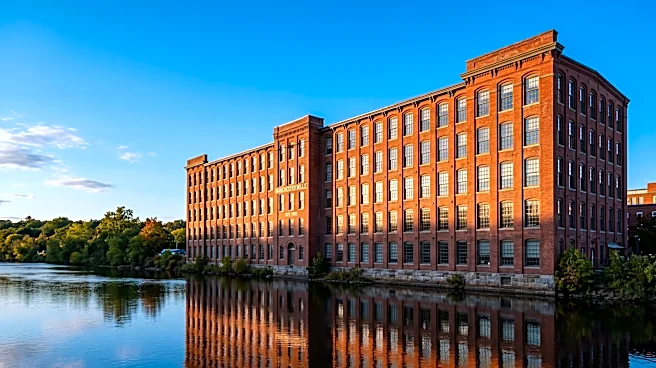
One notable aspect of the film's production was its partial shooting on location in Grafton, Massachusetts. Director Clarence Brown, who had grown up in the region during the 1900s, chose this authentic setting to enhance the film's period feel. However, this decision led to unexpected challenges with local unions. Brown encountered difficulties with several unions who objected to the employment of nonunion electricians, carpenters, and musicians for the production.Despite the union agitation, the presence of the film crew in Grafton created a significant buzz. The town was reportedly "flooded with visitors," eager to catch a glimpse of the filmmaking process and the stars. To manage the crowds and prevent souvenir hunters from damaging props, police were deployed to guard the bandstand, a key set piece. This on-location experience, while presenting logistical hurdles, ultimately contributed to the film's authentic portrayal of a small New England town in 1906.
Casting Considerations and Character Portrayals
The casting process for the film involved several considerations. Initially, Robert Benchley was expected to play the role of Uncle Sid, making the eventual casting of Wallace Beery in August 1935 a surprise announcement. Lewis Stone was considered for the role of Nat Miller, the kind and wise newspaper editor. For the pivotal role of Richard Miller, William Henry and William Janney, who had both played the character in the stage production, were among those considered before Eric Linden was cast.The film's plot largely followed the play's narrative, set in June 1906. It depicted 17-year-old Richard Miller, a high school graduate preparing for Yale, who sees himself as worldly-wise from reading various authors. His adoration for Muriel McComber, his interactions with his family, including his newspaper editor father Nat, his siblings, and his Uncle Sid and Cousin Lily, formed the core of the story. The film captured Richard's youthful indiscretions, his heartbreak over a letter from Muriel, and his eventual reconciliation, culminating in a serious talk with his father about life's choices.