



George Thomas "Tom" Seaver, affectionately known as "Tom Terrific" and "the Franchise," carved out an indelible legacy during his 20 seasons in Major League Baseball. While he played for several teams, his most iconic contributions were undoubtedly made with the New York Mets. From 1967 to 1977, and again in 1983, Seaver was the cornerstone of the Mets, leading them to their historic 1969 World Series victory and establishing himself as the team's
all-time leader in wins. His career with the Mets was marked by numerous accolades, solidifying his status as one of the greatest pitchers in baseball history.
Early Dominance and the "Miracle Mets"
Seaver's journey with the Mets began after a unique situation involving his initial professional contract. In 1966, he signed with the Atlanta Braves, but the contract was voided due to an NCAA rule violation. After a complaint from Seaver's father and a threat of a lawsuit, Baseball Commissioner William Eckert ruled that other teams could match the Braves' offer. The Mets ultimately secured his signing rights in a lottery drawing, a stroke of luck that would forever change the franchise's fortunes. Seaver quickly made his mark, winning the National League Rookie of the Year Award in 1967.
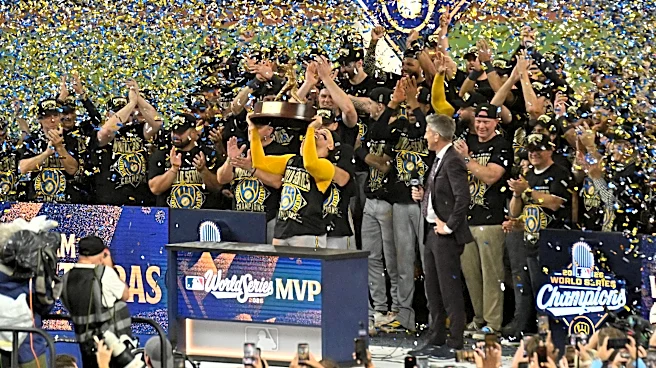
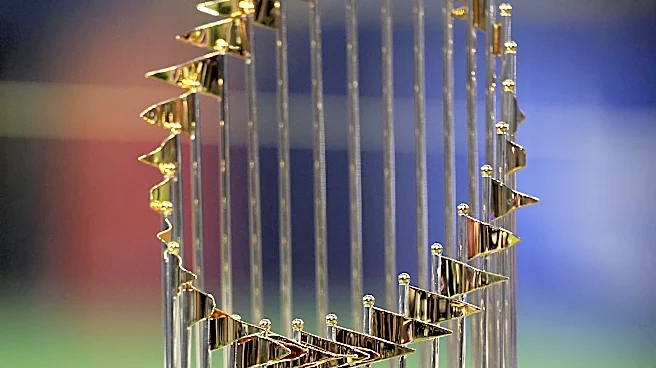
His early career culminated in the unforgettable 1969 season. Seaver played a significant role in the Mets' improbable victory in the World Series over the Baltimore Orioles, a triumph that earned them the nickname "Miracle Mets." That same year, he also secured his first National League Cy Young Award, an honor he would go on to win two more times during his tenure with the Mets, in 1973 and 1975. These early years showcased his exceptional talent and leadership, transforming the Mets into a formidable force.
A Return to Flushing and Lasting Records
After a period with the Cincinnati Reds, Seaver made a highly anticipated return to the Mets on December 16, 1982, in a trade that sent Charlie Puleo, Lloyd McClendon, and Jason Felice to Cincinnati. His return in 1983 saw him tie Walter Johnson's major league record of 14 Opening Day starts, shutting out the Philadelphia Phillies for six innings in a 2–0 Mets win on April 5. Although he posted a 9–14 record that season, the Mets exercised an option on his contract for the 1984 season, valued at $750,000.
Across his 12 seasons with the Mets, Seaver compiled an impressive record of 198–124, with a 2.57 earned run average over 3,045 innings. He also recorded 171 complete games. Beyond his three Cy Young Awards and the 1969 World Series title, his individual statistics and consistent performance cemented his place as the Mets' all-time leader in wins. His impact extended beyond the field, as he became synonymous with the team's identity and success. Even after his playing days, his connection to the Mets remained strong, reflecting the deep bond between "the Franchise" and the team he so famously represented.
The "Midnight Massacre" and its Aftermath
Seaver's initial departure from the Mets in 1977, often referred to as the "Midnight Massacre," was a significant moment in the team's history. This trade, which sent him to the Cincinnati Reds, was a controversial decision that deeply affected fans and the organization. Despite the circumstances of his departure, his legacy with the Mets remained untarnished. His eventual return, even for a single season, underscored the enduring connection he had with the team and its fanbase. His career overall, including his time with the Mets, saw him accumulate 311 wins, 3,640 strikeouts, 61 shutouts, and a 2.86 earned run average, along with a no-hitter in 1978. These statistics, combined with his iconic status, ensured his induction into the Baseball Hall of Fame in 1992.