
The Major League Baseball All-Star Game, known as the "Midsummer Classic," had its inaugural event on July 6, 1933. This game marked a significant moment in baseball history, bringing together the best
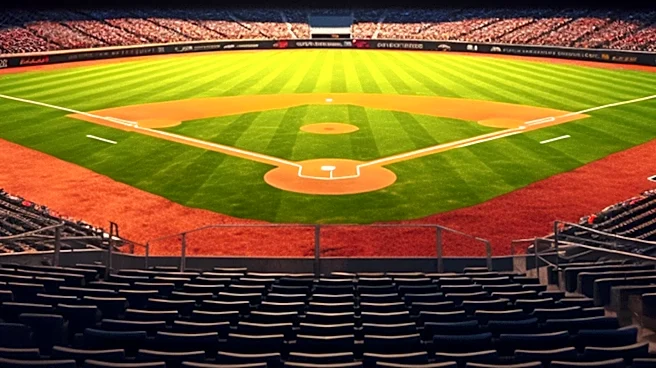
players from the American and National Leagues for a midseason exhibition. Held at Comiskey Park in Chicago, the event was part of the 1933 Chicago World's Fair, celebrating the city's centennial. The game was a brainchild of Arch Ward, the sports editor of the Chicago Tribune, and was initially intended as a one-time event to boost morale during the Great Depression.
The Birth of a Classic
The idea for the All-Star Game was proposed by Arch Ward after Chicago's Mayor Edward J. Kelly sought a major sporting event to coincide with the World's Fair. Ward's vision was to create a game that would showcase the best talent in baseball, and he decided that fans would select the starting players, while the managers would choose the rest of the team. This democratic approach to team selection was a novel concept at the time and helped generate significant public interest.
The game was dubbed the "Game of the Century" by the Chicago Tribune, and it captured the imagination of baseball fans across the country. Newspapers nationwide printed ballots for fans to vote on their favorite players, a move that engaged the public and increased anticipation for the event. The game was a resounding success, with an estimated attendance of 49,000 people, and it raised $45,000 for a charity supporting disabled and needy major league players.
A Star-Studded Affair
The 1933 All-Star Game featured some of the most legendary figures in baseball history. Babe Ruth, one of the most iconic players of all time, highlighted the game with a two-run home run in the third inning. His performance was a testament to his enduring talent and charisma, and it thrilled the crowd at Comiskey Park. Ruth's home run was not the only highlight; he also made a memorable catch against the scoreboard in the eighth inning, further cementing his status as a fan favorite.
The game included 36 All-Stars, 20 of whom would later be inducted into the National Baseball Hall of Fame. This illustrious lineup underscored the game's significance and set a high standard for future All-Star Games. The managers, coaches, and umpires involved in the game also included several future Hall of Famers, adding to the event's prestige.
Legacy and Continuation
The success of the 1933 All-Star Game ensured that it would not remain a one-time event. Instead, it became an annual tradition, celebrated as MLB's "Midsummer Classic." The game's format and the excitement it generated laid the groundwork for future All-Star Games, which continue to be a highlight of the baseball season.
The uniforms worn by the players also became a part of the game's legacy. The National League team sported specially made gray uniforms with navy blue accents, while the American League players wore their home uniforms. This distinction added a unique visual element to the game, and the NL players were allowed to keep their All-Star uniforms as a memento.
Overall, the 1933 MLB All-Star Game was a landmark event that not only provided entertainment during a challenging time but also established a beloved tradition in the world of baseball.