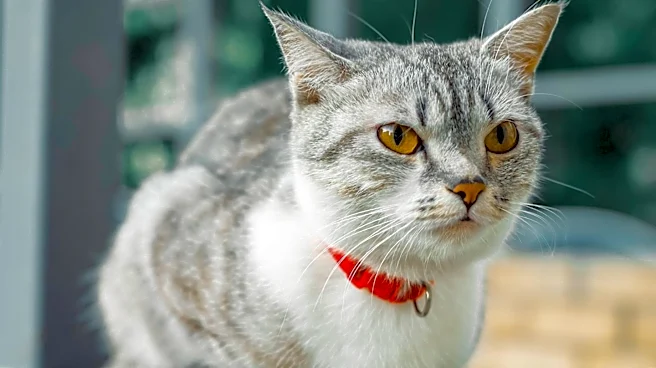








The topic of cat collar safety is a subject of ongoing discussion among pet owners, veterinarians, and animal welfare organizations. While collars serve important functions like identification and protection, concerns about potential injuries have led to debates over which types are safest and whether collars should be used at all. This complex issue involves weighing the risks of collar-related harm against the dangers a cat might face without one,
leading to varied recommendations and perspectives.
Conflicting Study Findings on Collar Safety
Research into cat collar safety has yielded findings that sometimes appear to be at odds. A 2010 study, highlighted in the *New York Times*, indicated that simple buckle collars were actually the safest option for cats. This suggested that traditional, non-breakaway designs might offer a lower risk of injury than commonly perceived. Such findings can be surprising, as many assume that collars designed to release under pressure would inherently be superior in safety.Adding another layer to the discussion, a separate study from 2013 presented a different angle: it concluded that the dangers faced by a cat lost outdoors without a collar, or one that had lost its collar, were substantially greater than the risk of the cat injuring itself on its collar. This research emphasizes the critical role collars play in a lost cat's chances of being reunited with its owner, suggesting that the benefits of wearing a collar for identification might outweigh the potential for collar-related harm in certain scenarios.
Veterinary and Welfare Organization Recommendations
Despite some study findings pointing to simple buckle collars as safest, veterinarians and animal welfare organizations generally lean towards recommending breakaway collars. These collars are designed to unclasp when a certain amount of pressure is applied, which significantly reduces the risk of a cat getting caught on an object and potentially choking or sustaining other injuries. The consensus among these professional groups is that breakaway collars present the least risk of a cat injuring itself on the collar, making them the preferred choice for many.The rationale behind this recommendation often centers on preventing entanglement. Cats are agile and curious creatures, and there is always a possibility they could get their collar snagged on branches, fences, or household items. A breakaway mechanism provides a crucial safety feature, allowing the collar to release if such an event occurs, thereby preventing more serious harm. This proactive approach to safety is a key factor in their widespread endorsement.
Types of Collars and Their Mechanisms
Typical cat collars come with various securing mechanisms, each with its own safety implications. These include simple buckles, elastic straps, and breakaway buckles. Simple buckle collars, as mentioned, were once cited as the safest in one study, but they do not release under pressure. Elastic strap collars offer some give, potentially allowing a cat to slip out if caught, but they may not always release reliably.Breakaway buckles are specifically engineered to release when a cat pulls or gets caught, aiming to prevent strangulation or other injuries. While the debate continues about which type is definitively "safest overall," the ongoing discussion highlights the importance of considering a cat's lifestyle, environment, and individual behavior when choosing a collar. The goal remains to provide identification and protection while minimizing any potential risks associated with the collar itself.